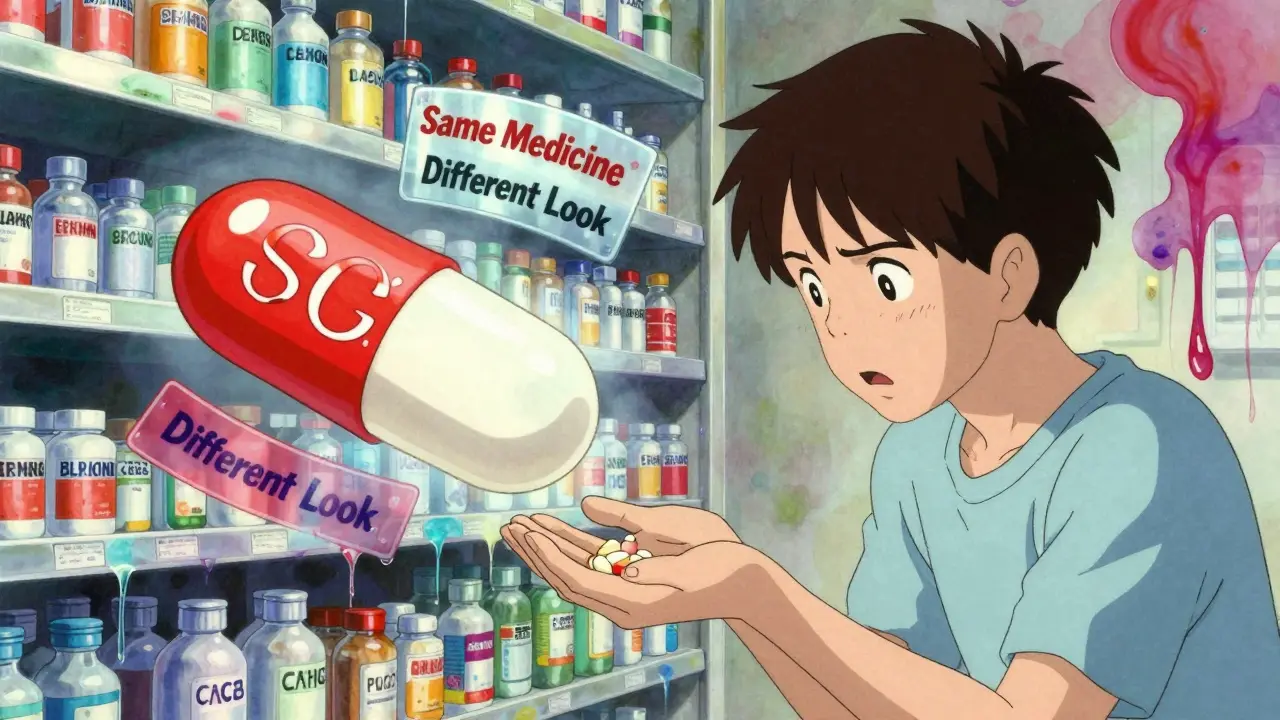

You pick up your prescription and freeze. The pill looks nothing like the one you’ve been taking for months. It’s a different color. Different shape. Different markings. You start to panic - is this the right medicine? Did they give you the wrong drug? You’re not alone. Thousands of people experience this exact moment every day, and the reason isn’t a mistake. It’s the law.
What Exactly Is an Authorized Generic?
An authorized generic is a brand-name drug sold under its original FDA-approved New Drug Application (NDA), but without the brand name on the label. It’s not a copy. It’s not a knockoff. It’s the exact same pill, made in the same factory, with the same active ingredients, and - critically - the same inactive ingredients as the brand-name version.
Think of it like buying a bottle of soda. The brand-name version has the logo, the colors, the design. The authorized generic is the same soda, same recipe, same factory, but in a plain bottle with no logo. The liquid inside? Identical. The difference? Only on the outside.
This isn’t a loophole. It’s a legal pathway created by the Hatch-Waxman Act of 1984. When a brand-name drug loses its patent, other companies can make generics. But sometimes, the original manufacturer decides to make its own generic version - and that’s where authorized generics come in. They’re not approved under the Abbreviated New Drug Application (ANDA) like regular generics. They’re approved under the original NDA. That means they’re held to the exact same standard as the brand-name drug.
Why Do They Look Different If They’re the Same?
Here’s the kicker: they’re not allowed to look identical.
The U.S. Food and Drug Administration (FDA) doesn’t require appearance differences. Trademark law does. U.S. trademark law says no two products can look the same if they’re sold under different names - even if they’re chemically identical. This rule exists to prevent consumer confusion. Imagine if every aspirin looked exactly like Bayer’s - you couldn’t tell them apart on the shelf. That’s why the FDA mandates visual differentiation.
According to FDA analysis from September 2023, 76.4% of authorized generics have a different color than the brand-name version. Nearly 9 out of 10 (89.2%) have different imprints - the numbers or letters stamped on the pill. Only 1.3% of authorized generics match the brand-name drug in both color and imprint. The rest? They’re intentionally changed.
These changes are tiny. A dye concentration might be adjusted by 0.05%. The coating might be slightly thicker. The imprint might be moved half a millimeter. But these small tweaks are enough to satisfy trademark law - and they have zero effect on how the drug works.
Authorized Generic vs. Regular Generic: What’s the Real Difference?
Most people think all generics are the same. They’re not.
A regular generic must prove it’s bioequivalent to the brand-name drug. That means it delivers the same amount of medicine into your bloodstream. But here’s the catch: it can have different inactive ingredients. That includes fillers, binders, dyes, and preservatives. In fact, 63.8% of regular generics contain at least one inactive ingredient that’s different from the brand-name version.
That matters. Some people are sensitive to these additives. A study in JAMA Internal Medicine found that 4.7% of patients had allergic reactions or stomach issues linked to these differences. For them, regular generics can cause real problems - rashes, nausea, headaches - even though the active drug is the same.
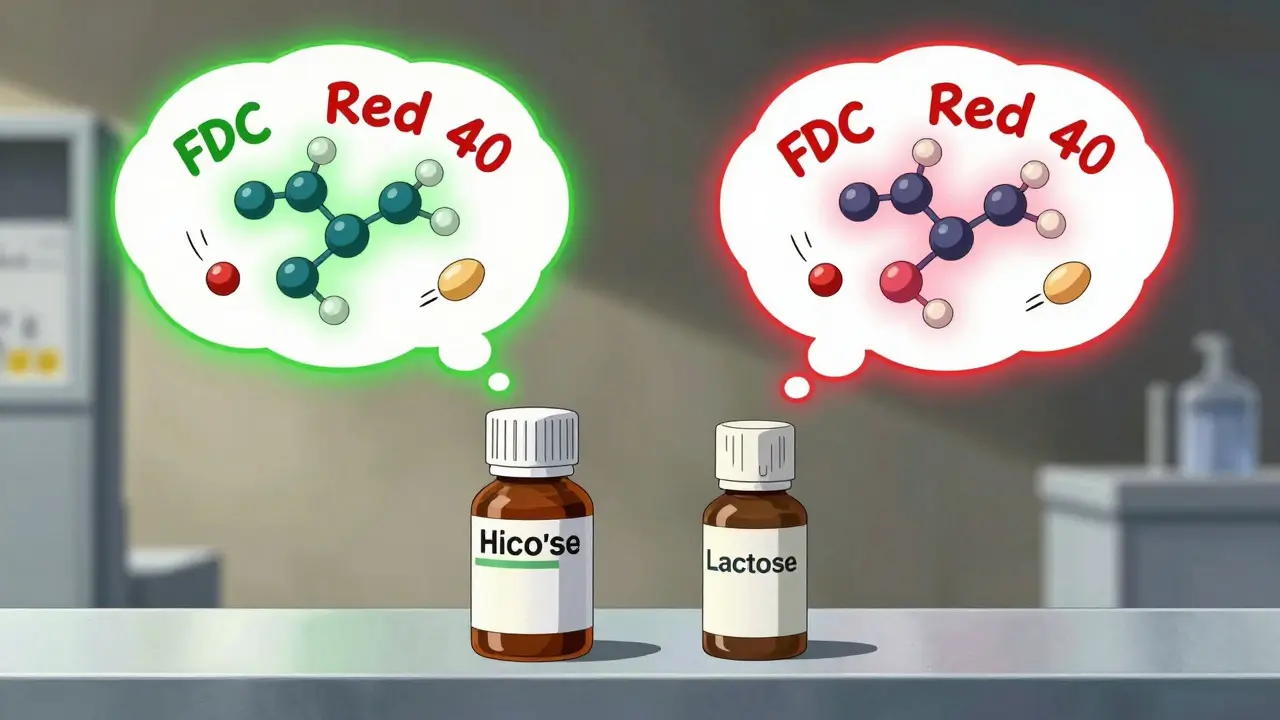
Authorized generics solve that. They use the exact same inactive ingredients as the brand-name drug. No surprises. No substitutions. That’s why they’re often recommended for patients with allergies, asthma, or sensitivities to dyes like FD&C Red No. 40 or lactose.
Here’s a quick comparison:
| Feature | Brand-Name Drug | Authorized Generic | Regular Generic |
|---|---|---|---|
| Active Ingredient | Identical | Identical | Identical |
| Inactive Ingredients | Original formula | Identical to brand | Often different |
| Appearance (color/shape/imprint) | Proprietary | Modified to differ | Usually different |
| Regulatory Pathway | New Drug Application (NDA) | Uses brand’s NDA | Abbreviated NDA (ANDA) |
| Typical Cost (30-day supply) | $478.23 | $341.05 | $276.17 |
So if you’re looking for the closest thing to the brand-name drug - with the same safety profile and no new ingredients - the authorized generic is your best bet.
Why Aren’t All Generics Authorized Generics?
Because not every brand-name company wants to make one.
Only 38.4% of off-patent brand-name drugs have an authorized generic version. Why? It’s a business decision. When a brand-name company makes its own generic, it’s competing with itself. It’s giving away market share. Some companies choose to let other manufacturers make regular generics instead - and keep the higher price for themselves.
Even when an authorized generic exists, it’s not always cheaper. In 18.3% of cases, the authorized generic costs less than 10% less than the brand-name drug. That’s not a big savings. But for patients who need the exact same ingredients, even a small discount matters.
What Patients Really Say
On Reddit, a thread titled “Authorized generic confusion” had over 140 comments. Most people were scared at first. “I thought I got the wrong pill,” wrote one user. “My pharmacist sat down with me and explained it was the same medicine - just labeled differently. I didn’t know that was legal.”
GoodRx’s patient reviews show 74.6% of people love authorized generics - not because they’re cheap, but because they don’t trigger their allergies. “I’ve had three different reactions to regular generics,” said a verified reviewer. “The authorized one? Zero issues. Same as my brand.”
But confusion is still common. A 2023 survey by Fidelis Care found that 43.2% of patients initially thought their authorized generic was a completely different drug. Pharmacists say they spend an extra 1.7 minutes per prescription explaining this. That’s not a small thing - especially when you’re managing multiple medications.
What’s Changing in 2025 and Beyond
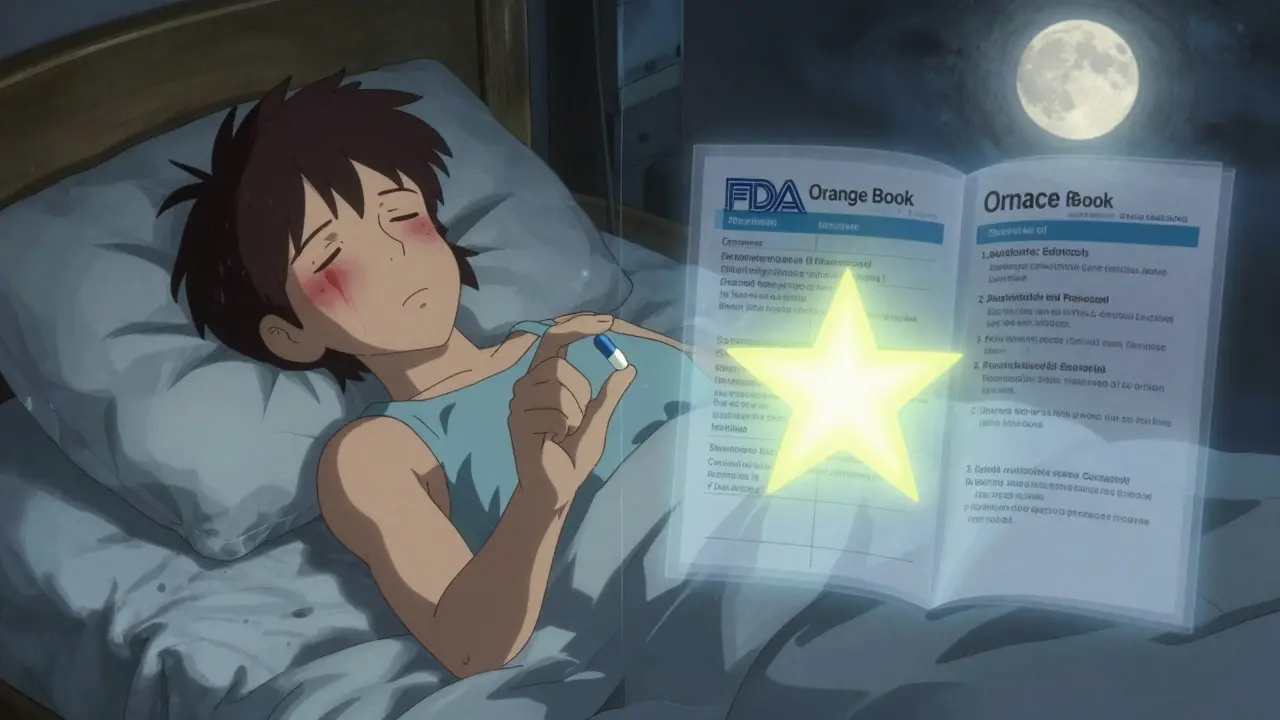
The FDA is planning to start listing authorized generics in the Orange Book - the official database of approved drugs - starting in 2025. Right now, they’re not listed there at all. That’s part of why so many people are confused. Once they’re included, pharmacists and insurers will have clearer guidelines. Insurance plans will be forced to treat them the same as brand-name drugs for coverage purposes.
Some companies are already adapting. Pfizer launched an “appearance continuity program” in early 2023 for 12 drugs. Instead of changing color and shape, they only changed the color - keeping the same shape and imprint. That way, patients recognize the pill faster. It’s a small change, but it helps.
Experts predict that by 2027, more than half of all off-patent drugs will have an authorized generic option. That’s up from less than 40% today. Demand is growing - especially as more people become aware of how often inactive ingredients cause side effects.
What You Should Do
If you’ve ever been handed a pill that looked wrong:
- Don’t stop taking it. The medicine inside is safe.
- Ask your pharmacist: “Is this an authorized generic?”
- If you have allergies, asthma, or sensitivities, ask if the inactive ingredients match your brand-name drug.
- Check your insurance. Some plans still don’t cover authorized generics the same way they cover regular generics.
- Use tools like the American Pharmacists Association’s Authorized Generic Identification Guide - it has pictures of common pills and their authorized versions.
The goal isn’t to avoid authorized generics. It’s to understand them. They’re not a compromise. They’re the closest thing to the brand-name drug you can get - without the brand-name price tag. And for many people, that’s worth more than the color of the pill.
Are authorized generics safer than regular generics?
Yes, for people sensitive to inactive ingredients. Authorized generics use the exact same fillers, dyes, and binders as the brand-name drug. Regular generics often substitute these, which can trigger allergic reactions in about 4.7% of patients. If you’ve had side effects from regular generics, an authorized generic is likely safer.
Why don’t all authorized generics look exactly like the brand-name version?
U.S. trademark law requires that different products have distinct appearances - even if they’re chemically identical. The FDA enforces this to prevent confusion in pharmacies and at home. So manufacturers change the color, imprint, or coating slightly - just enough to meet legal rules, but not enough to affect how the drug works.
Can I ask my pharmacy to give me the authorized generic instead of the regular one?
Yes. You can request it by name. Many pharmacies will automatically substitute it if it’s cheaper, but if you have allergies or want the exact same formulation, ask for the authorized generic specifically. Some insurance plans require prior authorization, so check with your provider.
Do authorized generics work as well as brand-name drugs?
They work identically. Because they’re made under the same NDA as the brand-name drug, they’re not just bioequivalent - they’re the same product. The FDA considers them therapeutically equivalent by definition. There’s no difference in how they’re absorbed, how long they last, or how effective they are.
Why aren’t authorized generics listed in the FDA Orange Book?
Right now, they’re not listed because they use the brand-name drug’s NDA instead of having their own ANDA. But starting in 2025, the FDA plans to include them. This will make it easier for pharmacists and insurers to identify them and treat them as equivalent to the brand-name version.
Next Steps
If you’re switching to an authorized generic:
- Keep your old pill bottle until you’re sure the new one works the same.
- Check your insurance formulary - some plans still don’t list authorized generics separately.
- Ask your pharmacist for a printed comparison sheet. Many pharmacies now provide them.
- Monitor for any new side effects. While rare, changes in coating or size can affect how fast the pill dissolves in some people.
- If you’re on a chronic condition like asthma, epilepsy, or heart disease, talk to your doctor before switching - even if it’s an authorized generic.
The system isn’t perfect. The rules are outdated. The confusion is real. But the science is clear: authorized generics are the safest, most accurate alternative to brand-name drugs. And if you’re one of the millions who react to dyes or fillers - they might be the only option that truly works for you.


