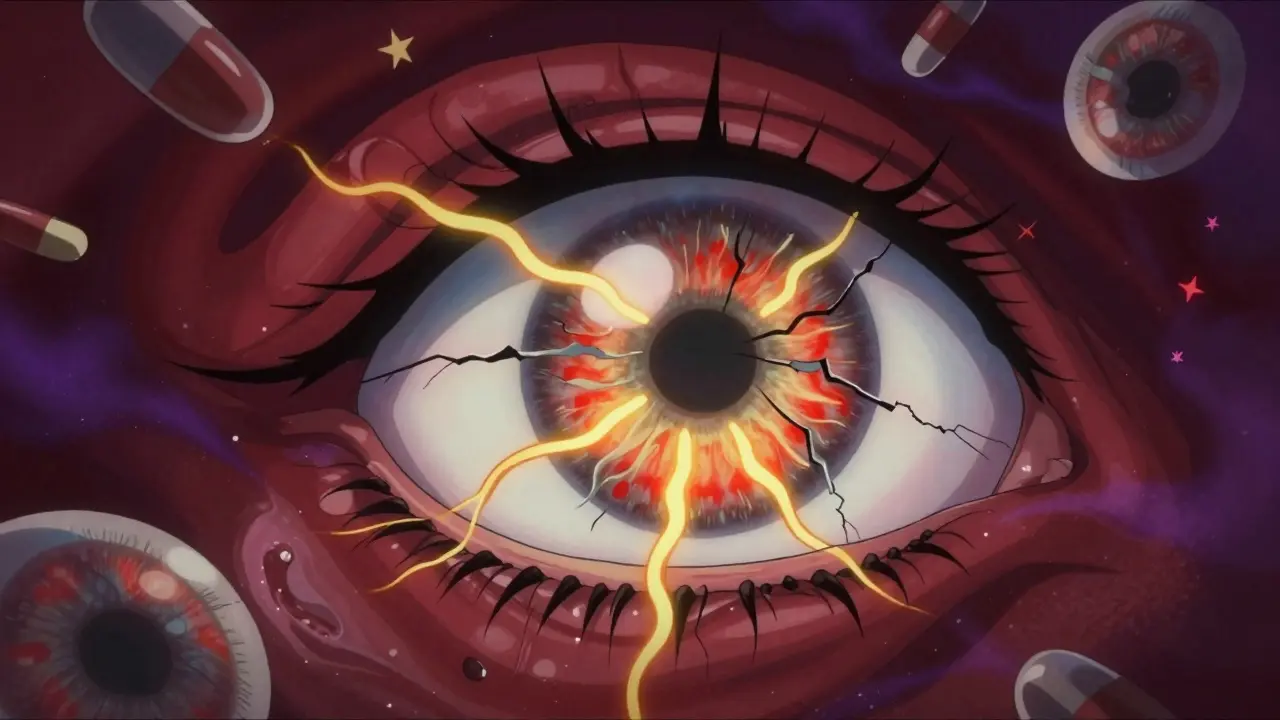

Autoimmune uveitis isn’t just a red eye. It’s a silent threat that can steal your vision if left unchecked. Unlike regular eye irritation from allergies or fatigue, this condition happens when your immune system turns on your own eye tissue-attacking the uvea, the middle layer of the eye that includes the iris, ciliary body, and choroid. It’s rare, affecting fewer than 200,000 people in the U.S., but for those it hits, the impact is severe. And here’s the catch: while steroids are the first line of defense, they come with a heavy cost. That’s why more doctors are turning to steroid-sparing therapy-not as a last resort, but as a necessary part of long-term care.
What Exactly Is Autoimmune Uveitis?
Uveitis means inflammation of the uvea. When it’s autoimmune, your body’s defenses go rogue. Instead of fighting off germs, they start damaging your eye. This isn’t caused by an infection. It’s an internal mix-up. Common triggers include autoimmune diseases like ankylosing spondylitis, rheumatoid arthritis, lupus, Crohn’s disease, and psoriasis. In some cases, uveitis is the first sign that something deeper is going on.
Symptoms don’t always show up overnight. Some people notice a slow blur in their vision. Others wake up with intense eye pain, redness, or sensitivity to light. Floaters-those dark spots drifting across your vision-are common. Headaches and blurred vision can follow. If it’s in both eyes or keeps coming back, it’s likely autoimmune. Left untreated, it can lead to cataracts, glaucoma, retinal detachment, and permanent vision loss. That’s why prompt diagnosis matters.
Why Steroids Are the Start, Not the Solution
Corticosteroids are powerful. Eye drops for front-of-the-eye inflammation, injections near the eye for deeper cases, or pills for widespread disease-they work fast. They reduce swelling, calm the immune response, and often bring relief within days. But they’re not meant to be a forever fix.
Long-term steroid use is risky. Cataracts form faster. Eye pressure climbs, leading to glaucoma. Weight gain, mood swings, bone thinning, and diabetes can develop with oral steroids. For someone with uveitis that lasts months or years, these side effects become a second disease. That’s why specialists call it a trade-off: save vision now, risk health later.
The NHS and other major health bodies now say: if uveitis keeps coming back or doesn’t respond well to steroids alone, it’s time to think beyond steroids. That’s where steroid-sparing therapy steps in.
Steroid-Sparing Therapy: What It Is and How It Works
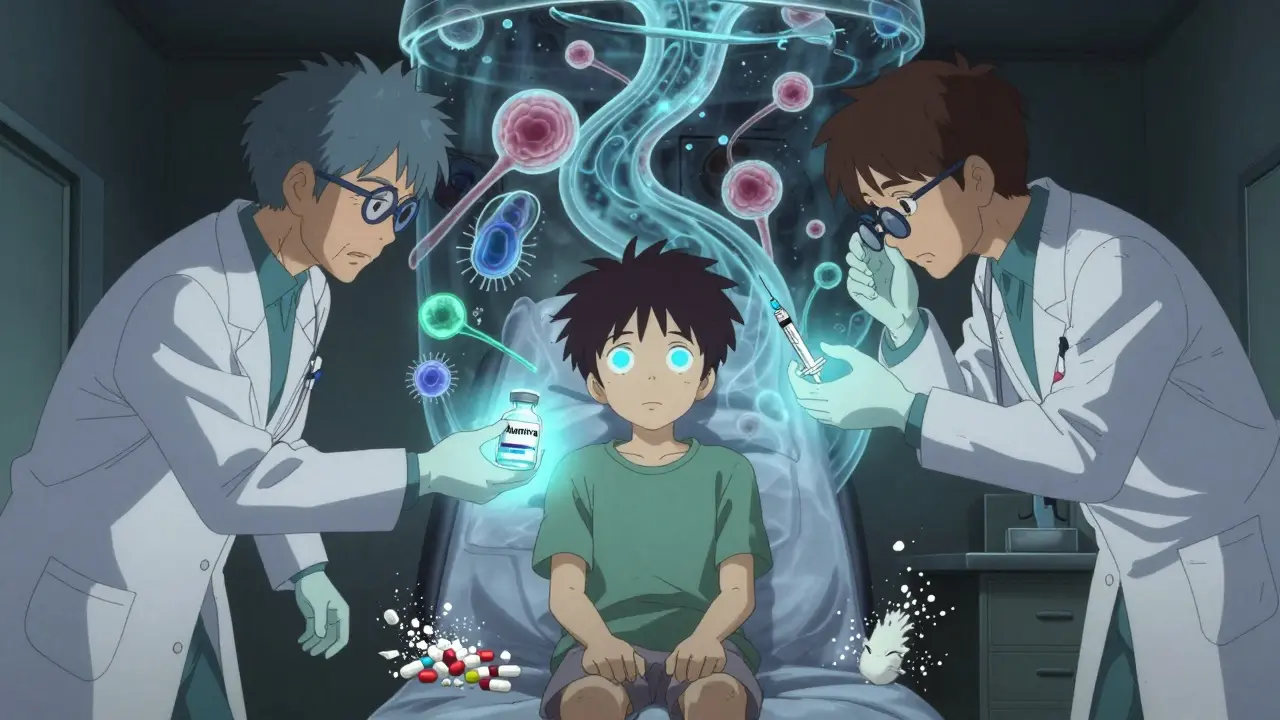
Steroid-sparing therapy means using other drugs to control inflammation so you can reduce or stop steroids altogether. These drugs don’t just mask symptoms-they target the root cause: your overactive immune system.
Three main classes are used:
- Immunosuppressants: Drugs like methotrexate and cyclosporine. They slow down immune cell activity. Methotrexate, often used for rheumatoid arthritis, has shown strong results in uveitis patients. Cyclosporine works similarly but requires careful blood monitoring.
- TNF inhibitors: These are biologics-lab-made proteins that block a specific inflammatory signal called tumor necrosis factor-alpha (TNF-alpha). Humira (adalimumab) was approved by the FDA in 2016 for non-infectious uveitis. It’s the first and still one of the few drugs officially approved for this use. Infliximab is another TNF blocker used off-label, especially in children, with high success rates.
- Newer biologics: Research is ongoing into drugs that target other pathways, like interleukin-6 or JAK-STAT inhibitors. These are showing promise in cases where TNF blockers don’t work.
What makes steroid-sparing therapy powerful isn’t just that it reduces steroids. It’s that it often stops the disease from flaring again. Patients who switch to these therapies report fewer hospital visits, less pain, and better vision stability over time.
Who Needs It-and When?
Not everyone with uveitis needs steroid-sparing therapy. But certain red flags mean it’s time to consider it:
- You’re on oral steroids for more than 3 months.
- Your symptoms return as soon as you lower your steroid dose.
- You’re developing steroid side effects-high blood sugar, weight gain, eye pressure spikes.
- You have an underlying autoimmune disease like lupus or Crohn’s.
- Your uveitis affects both eyes or involves the back of the eye (posterior or panuveitis).
Doctors don’t wait until things get worse. If you’re diagnosed with chronic uveitis, many specialists now start planning for steroid-sparing therapy from the beginning. It’s not a backup plan anymore-it’s part of the main strategy.
The Role of Team-Based Care
Autoimmune uveitis doesn’t live in the eye alone. It’s tied to your whole body. That’s why one specialist isn’t enough. You need a team: an ophthalmologist who sees eye damage, and a rheumatologist who understands systemic autoimmune disease.
Studies show outcomes improve dramatically when these two work together. The NCBI 2023 review highlights that communication between these fields is critical. A rheumatologist might adjust your lupus meds, which in turn calms your eye inflammation. An ophthalmologist might spot early signs of glaucoma before you feel it.
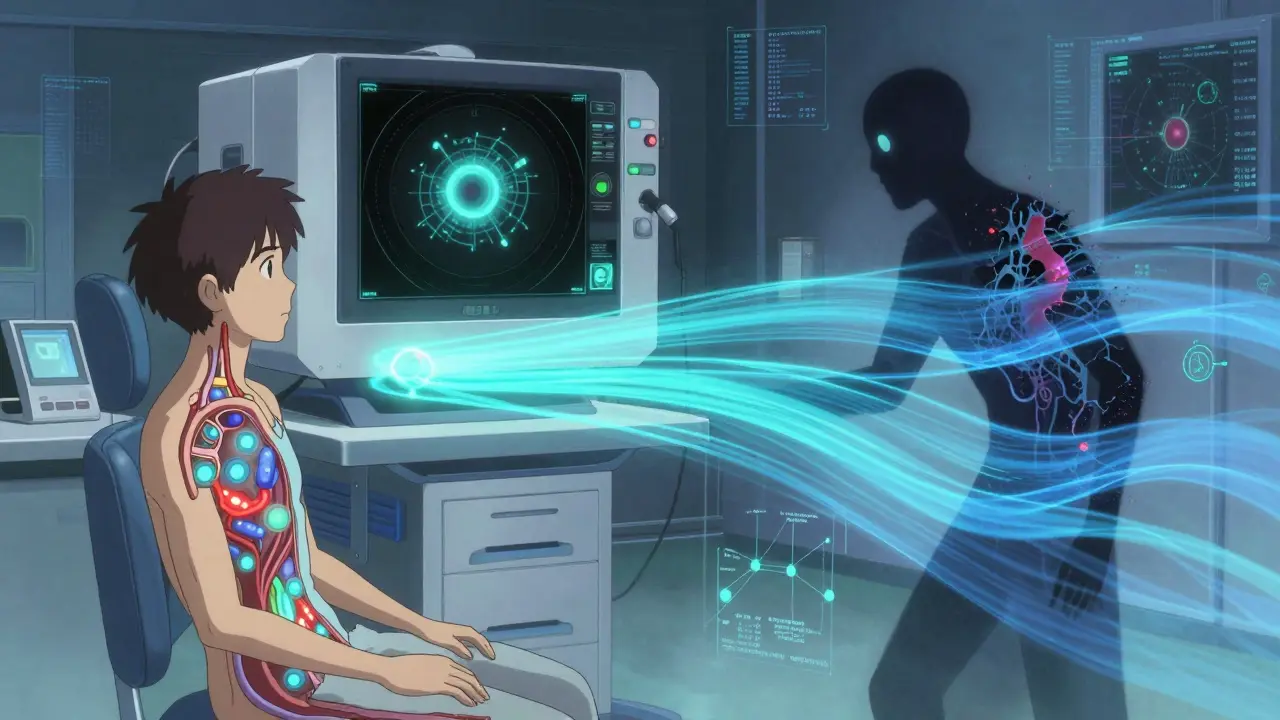
Specialized uveitis clinics have grown from just 15 in 2010 to over 50 across the U.S. by 2023. These clinics bring both specialists under one roof. They use tools like optical coherence tomography (OCT) and fluorescein angiography to track inflammation at a cellular level. Blood tests check for markers of autoimmune activity. This isn’t guesswork-it’s precision medicine.
Challenges and Real-Life Trade-Offs
Steroid-sparing therapy isn’t perfect. These drugs suppress your immune system. That means higher risk of infections-cold sores, pneumonia, even reactivated tuberculosis. You’ll need regular blood tests. Vaccines (like flu and pneumonia shots) become more important. Live vaccines are usually off-limits.
Some drugs cost thousands per month. Insurance approval can be slow. Humira is FDA-approved, but others like infliximab are used off-label, which can complicate coverage. Patients often spend months navigating paperwork before starting treatment.
And yes, some people still need steroids. A flare might require a short burst to get things under control before switching back to the long-term plan. It’s not all or nothing. It’s layered.
The Future: Personalized Treatment and New Hope
The field is moving fast. Genetic testing and biomarker analysis are being studied to predict who will respond to which drug. Maybe in a few years, a simple blood test will tell your doctor whether you’re likely to respond to Humira or need a different biologic.
At least seven new drugs targeting different immune pathways are in clinical trials. Some focus on interleukin-17 or -23, which are involved in psoriasis and uveitis. Others block the JAK-STAT pathway, already used in rheumatoid arthritis.
The goal isn’t just to avoid steroids. It’s to stop the disease before it damages your vision. And for many, that’s finally becoming possible.
Is autoimmune uveitis contagious?
No, autoimmune uveitis is not contagious. It’s caused by your own immune system attacking eye tissue, not by bacteria or viruses. You can’t catch it from someone else. However, some infections like syphilis or tuberculosis can cause uveitis too-but those are separate from autoimmune types and require completely different treatments.
Can steroid-sparing therapy cure uveitis?
There’s no cure for autoimmune uveitis yet. But steroid-sparing therapy can put the disease into long-term remission. Many patients stay off steroids for years with no flares. The goal is control, not cure. Regular monitoring is still needed, even when things feel stable.
How long does it take for steroid-sparing drugs to work?
It varies. Methotrexate and cyclosporine can take 6 to 12 weeks to show full effect. Biologics like Humira often work faster-some patients notice improvement in 2 to 4 weeks. But patience is key. These drugs don’t give instant relief like steroids. They rebuild your body’s balance over time.
Are there natural alternatives to steroid-sparing therapy?
There’s no proven natural remedy that can replace steroid-sparing drugs. Supplements like omega-3s or turmeric may help with general inflammation, but they won’t stop autoimmune attacks on the eye. Relying on them instead of medical treatment risks permanent vision loss. Always talk to your doctor before adding anything to your regimen.
What should I do if my uveitis comes back after stopping steroids?
Don’t wait. Contact your ophthalmologist immediately. A flare means your current therapy isn’t fully controlling the disease. Your doctor may adjust your dose, switch medications, or add a second agent. Early intervention can prevent permanent damage. Keep a symptom diary-note changes in vision, pain, or light sensitivity-to help your team make better decisions.
Final Thoughts: Take Control Before It Takes Your Vision
Autoimmune uveitis is complex. But it’s not hopeless. The days of relying solely on steroids are fading. Steroid-sparing therapy is now the standard for anyone with chronic or recurrent disease. It’s not about avoiding treatment-it’s about choosing smarter, safer, longer-lasting options. If you’re living with this condition, ask your doctor: "Am I on a plan that reduces my steroid use?" If the answer is no, it’s time to have a new conversation. Your eyes are worth more than a quick fix.


