
When your liver starts to scar, it doesn’t just slow down-it starts to fail. Cirrhosis isn’t just a diagnosis; it’s a turning point. Once healthy liver tissue turns into stiff, tangled scar tissue, blood can’t flow properly. The organ can’t filter toxins, make proteins, or store energy like it should. And once this damage happens, it’s permanent. But here’s the thing: even in cirrhosis, you’re not powerless. Knowing what’s coming and how to stop it can mean the difference between living with the disease and being overwhelmed by it.
What Happens When Cirrhosis Gets Worse?
Not everyone with cirrhosis feels sick right away. That’s called compensated cirrhosis-your liver is scarred, but it’s still doing enough to keep you going. The real danger starts when it decompensates. That’s when the body can’t keep up anymore. The first warning signs are often subtle: fatigue so deep it doesn’t go away after sleep, swelling in your ankles or belly, unexplained bruising, or skin that itches without a rash. These aren’t just annoyances. They’re signals your liver is struggling. As things progress, serious complications take over. Ascites-the buildup of fluid in the abdomen-happens in about half of people within 10 years of diagnosis. It’s not just uncomfortable; it can lead to spontaneous bacterial peritonitis, a life-threatening infection that kills 1 in 4 people if not caught fast. Then there’s portal hypertension. This isn’t a disease on its own-it’s the result of scar tissue blocking blood flow through the liver. That pressure backs up into veins in your esophagus and stomach, turning them into fragile, swollen balloons called varices. When one bursts, you can bleed internally without warning. About 1 in 3 people with cirrhosis will experience this. Mortality from a single bleed? Up to 20%. Hepatic encephalopathy is another silent threat. Toxins that the liver normally clears start flooding your brain. You might feel confused, forgetful, or have trouble concentrating. Some people slurred speech or sleep all day. It’s often called "brain fog," but it’s more than that. It’s your brain drowning in ammonia. Without treatment, it gets worse. And then there’s liver cancer. About 1 in 20 people with cirrhosis develop hepatocellular carcinoma each year. That’s why biannual ultrasounds are non-negotiable. Catching it early-when it’s still small-can mean a cure.How Doctors Measure How Bad It Is
Not all cirrhosis is the same. That’s why doctors use tools to rank how far it’s gone. The Child-Pugh score looks at five things: bilirubin levels, albumin, INR (a blood clotting test), ascites, and encephalopathy. Each gets a point value. A score of 5-6? You’re in Class A. Your one-year survival is nearly 100%. A score of 10-15? Class C. Your survival drops to 45%. It’s not just a number-it tells you how urgently you need help. Even more precise is the MELD score. It uses three blood tests-creatinine, bilirubin, and INR-to predict death risk in the next three months. A MELD score above 15 means you’re at high risk. It’s also how liver transplant centers prioritize who gets a new organ. But here’s the problem: someone with frequent encephalopathy might have a low MELD score but be suffering more than someone with a higher score. Their quality of life is terrible. That’s why new transplant rules now include quality-of-life factors, not just lab values.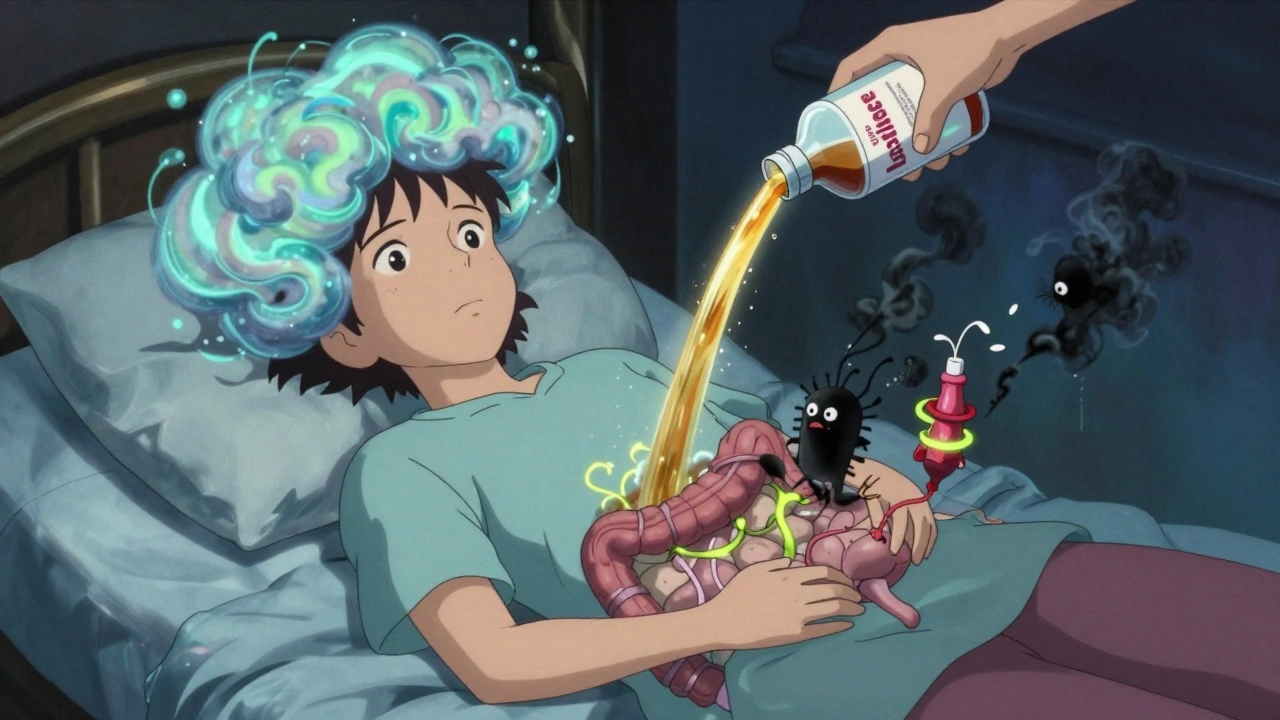
Managing the Big Three: Ascites, Varices, and Encephalopathy
Ascites treatment starts with salt. No more than 2 grams a day. That’s less than one teaspoon of table salt. Most people don’t realize how much sodium is hiding in bread, canned soups, and even some medications. Diuretics like spironolactone and furosemide help flush out fluid. But if that stops working-about 1 in 10 people reach this point-you need a procedure called large-volume paracentesis. That’s when doctors drain liters of fluid from your belly. And here’s the key: you must get albumin infused during the procedure. Without it, your blood pressure can crash. Studies show albumin cuts complications from 37% down to 10%. For varices, the goal is to prevent the first bleed-and then prevent another. If endoscopy finds medium or large varices, you’ll be put on a beta-blocker like propranolol or nadolol. These drugs lower pressure in the portal vein. Carvedilol works even better, reducing pressure more than others. But it’s not just about pills. Endoscopic band ligation-where doctors place tiny rubber bands around the swollen veins-is often done at the same time. Together, they cut bleeding risk by nearly half. Without them, 60% of people rebleed within a year. Hepatic encephalopathy is managed with lactulose. It’s a syrup you take three times a day. It pulls ammonia out of your gut and into your stool. But it has a downside: constant diarrhea. Many patients say it ruins their social life. That’s why rifaximin, an antibiotic that doesn’t get absorbed into the bloodstream, is now added. It kills the bad gut bacteria making ammonia. Studies show it cuts hospital visits by almost 60%. For people with recurring episodes, this combination is life-changing.Stopping the Cause Before It Stops You
Cirrhosis doesn’t just happen. It’s the end result of something else. Alcohol? That’s 21% of cases in the U.S. If you’re still drinking, stopping now is the single most effective thing you can do. Even if you’ve had years of damage, quitting can slow or even stabilize progression. For hepatitis C, direct-acting antivirals cure the infection in 95% of cases-even if you already have cirrhosis. But you have to start within 30 days of diagnosis. Delay, and you risk more scarring. Non-alcoholic fatty liver disease, now called MASH (metabolic dysfunction-associated steatohepatitis), is the fastest-growing cause. It’s linked to obesity, diabetes, and high cholesterol. Losing 7-10% of your body weight can reduce liver fat and even improve scarring. And now, there’s a new drug: resmetirom. Approved in March 2024, it targets liver fat and fibrosis directly. In trials, it improved fibrosis in over 20% of patients after a year. It’s not a cure, but it’s the first drug shown to reverse some damage.
Surveillance, Support, and the Road Ahead
You can’t just wait for symptoms. If you have cirrhosis, you need regular checkups. Every three months if you’re decompensated. Every six months if you’re stable. Every visit should include a blood test, an ultrasound for liver cancer, and a discussion about your symptoms. Nurses trained in liver care have been shown to reduce hospital readmissions by over 30% just by making sure patients understand their meds and know when to call for help. The emotional toll is huge. People report constant fatigue, brain fog that makes work impossible, and isolation because they can’t leave the house due to swelling or frequent bathroom trips. But those who join multidisciplinary care teams-where hepatologists, dietitians, social workers, and addiction specialists work together-see big improvements. Medication adherence jumps from 62% to 85%. ER visits drop by 40%. And then there’s transplant. It’s not for everyone. But for those who qualify, it’s a second chance. The average cost? Over $800,000. Medicare covers 80%. But the wait is long-over 11,000 people are on the list, and only about 8,400 livers become available each year. That means 1 in 8 people die waiting. New rules now try to balance medical need with quality of life. Someone with severe encephalopathy might get priority even if their MELD score is lower.What You Can Do Today
If you or someone you love has cirrhosis, here’s what matters most:- Take your meds exactly as prescribed-even if you feel fine.
- Follow a strict low-sodium diet. Read every label.
- Get your ultrasound every six months. No exceptions.
- Stop drinking alcohol. Completely.
- Ask about resmetirom if you have MASH-related cirrhosis.
- Join a support program. You don’t have to do this alone.


