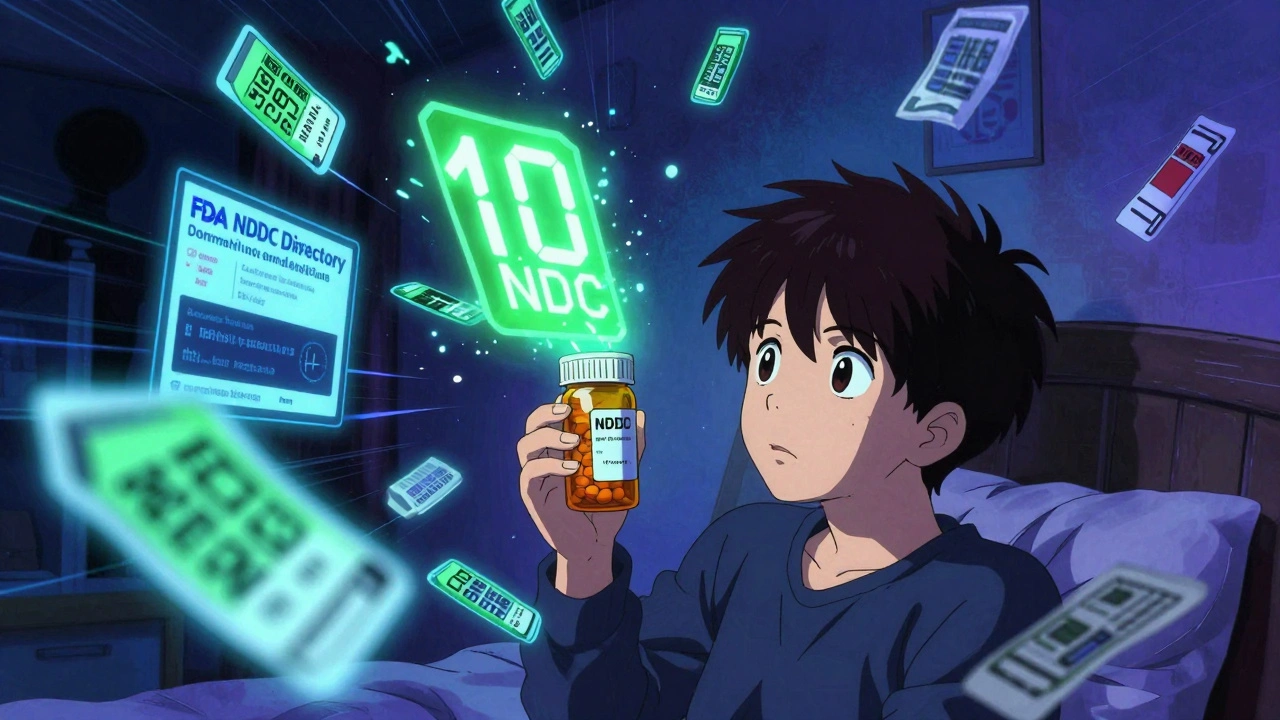

Every year, millions of people in the U.S. take prescription drugs without ever checking if they’re real. That’s a risk you don’t have to take. The FDA maintains public databases that let you verify medications and catch counterfeits before they reach your medicine cabinet. You don’t need to be a pharmacist or a regulator to use them - just a little know-how.
What the FDA Databases Actually Do
The FDA doesn’t just approve drugs. It tracks them from the factory to the pharmacy. Three key systems work together to make this possible: the NDC Directory, the Drug Establishments Current Registration Site, and the Electronic Drug Registration and Listing System (eDRLS).
The NDC Directory is your first stop. Every approved drug in the U.S. gets a unique 10- or 11-digit National Drug Code. This code breaks down into three parts: the labeler (who makes it), the product (what it is), and the package (how it’s sold). If a pill doesn’t match an NDC in the directory, it’s not legally approved.
The Drug Establishments Current Registration Site tells you who’s allowed to make or distribute drugs. If a company isn’t listed here, they’re not operating legally. This isn’t just about big pharma - it includes small labs, repackagers, and even foreign suppliers shipping into the U.S.
eDRLS is the backend system where companies submit their drug data. It’s not public, but what comes out of it - the NDC Directory and registration list - is. Think of it like a government registry for drug makers. If a company skips this step, their products can’t be sold legally.
How to Check a Drug’s Legitimacy
Let’s say you’re handed a bottle of metformin from a new online pharmacy. Here’s how to verify it:
- Find the NDC on the box - it’s usually printed near the barcode.
- Go to the FDA’s NDC Directory and type it in.
- If it shows up with the correct drug name, strength, and manufacturer - you’re good.
- If it doesn’t show up, or the details don’t match - walk away.
That’s it. No apps, no subscriptions, no cost. The FDA updates this directory daily. If a drug was pulled last week, it’s already gone from the list.
Now check the company. Visit the Drug Establishments Current Registration Site. Search for the manufacturer’s name. If they’re not listed, or their registration expired in 2020, that’s a red flag. Legitimate companies renew every year between October and December. If they haven’t, they’re either negligent or fake.
What Counterfeit Drugs Look Like
Counterfeit drugs aren’t always obvious. Some look identical. Others have blurry labels, mismatched colors, or spelling errors. But the biggest giveaway? Missing or fake NDCs.
Here’s what the FDA found in 2022: 63% of counterfeit drugs seized at U.S. ports had no valid NDC. Another 29% had NDCs that belonged to real drugs - but the wrong manufacturer. That’s called “diversion” - when someone takes a real drug from a legitimate batch and repackages it with fake labels.
Online pharmacies are the biggest source. A 2023 FDA report showed that 96% of websites selling prescription drugs without a prescription were illegal. Many of them use fake NDCs or steal real ones from expired products.
Counterfeits aren’t just ineffective - they’re dangerous. In 2021, the FDA reported 14 cases of severe harm from fake blood pressure meds. One contained rat poison. Another had no active ingredient at all.
The New Rules: DSCSA and What Changed in 2023
In November 2023, the Drug Supply Chain Security Act (DSCSA) went fully into effect. This wasn’t just a paperwork update - it changed how drugs are tracked.
Before 2023, companies only had to verify batch-level info. Now, every single package - yes, every pill bottle - must have a unique digital identifier. Think of it like a serial number on your phone. That way, if a counterfeit shows up, you can trace it back to the exact box it came from.
Pharmacies and distributors now have to scan each package before dispensing or reselling. If the system flags it as suspicious, they must quarantine it within 24 hours and notify the FDA. This system cuts counterfeit incidents by 78%, according to industry data.
But here’s the catch: this system is still being rolled out. Not every small pharmacy or mail-order service has upgraded yet. That’s why you still need to check the NDC yourself. The tech helps, but it’s not foolproof.
What the FDA Doesn’t Cover
These databases only cover FDA-approved drugs. They don’t include:
- Compounded drugs (made by pharmacies for individual patients)
- Dietary supplements
- Drugs imported from countries without FDA agreements
- Medications sold outside the U.S. supply chain
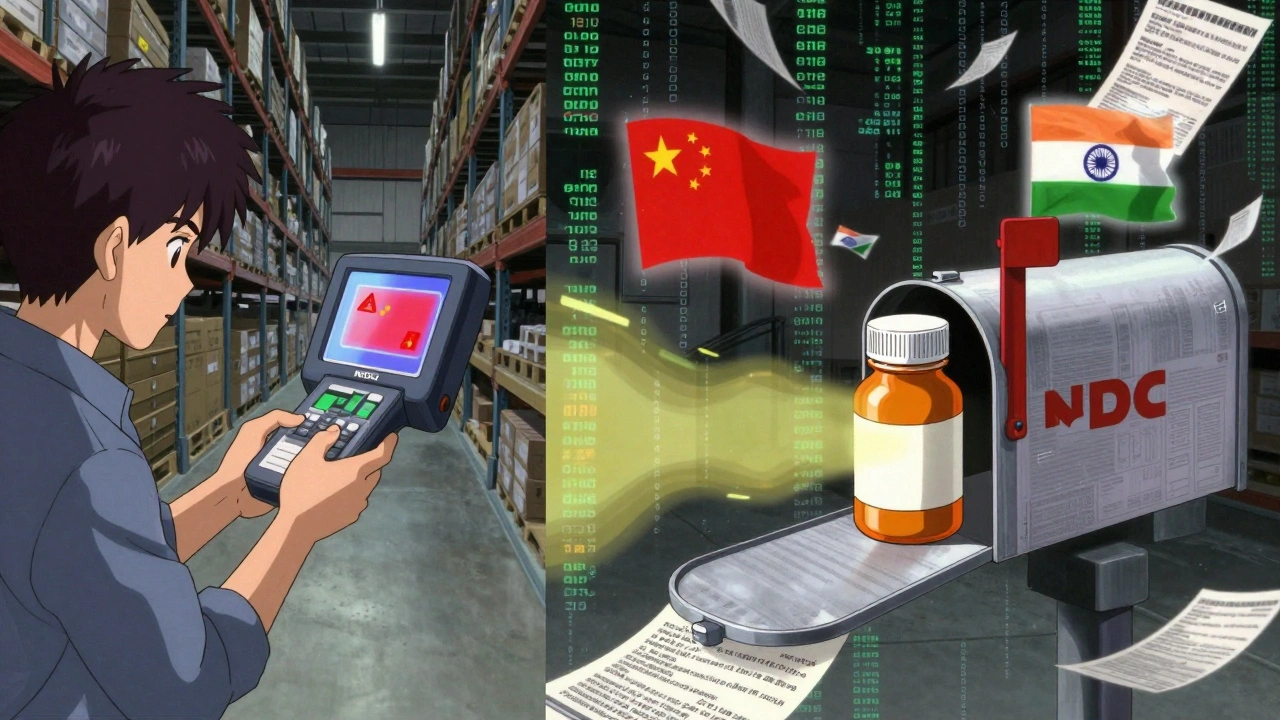
That’s a big gap. Many counterfeit drugs enter through international shipping - especially from countries like India, China, or Mexico. The FDA only inspects about 1% of imported drugs. If you order from a foreign website, you’re on your own.
Also, supplements aren’t regulated like drugs. A “natural energy pill” might say it contains caffeine - but if it’s not an FDA-approved drug, there’s no NDC. That means no database check. Stick to brands with third-party testing seals like USP or NSF.
How to Stay Safe Online
Never buy prescription drugs from websites that:
- Don’t require a prescription
- Don’t list a U.S. physical address
- Offer “miracle cures” at 80% off
- Use .pharmacy or .med domains - these are fake
Use the FDA’s list of verified online pharmacies. Only those with VIPPS certification are approved. Even then, check the NDC on the bottle when it arrives.
Real pharmacies don’t send drugs in plain envelopes. They use branded packaging with tamper-evident seals. If the box looks like it came from a warehouse, not a pharmacy - be suspicious.
What to Do If You Find a Fake
If you suspect a drug is counterfeit:
- Don’t take it.
- Keep the packaging and receipt.
- Report it to the FDA at MedWatch.
- Call your pharmacist - they can help trace the source.
The FDA gets about 5,000 counterfeit reports a year. Most come from patients who checked the NDC and found it didn’t match. Your report could stop a batch from reaching others.
Why This Matters More Than Ever
Counterfeit drugs cost the global economy $200 billion a year. In the U.S., they’re rising 18% annually. But the tools to fight them are here - and free.
The FDA’s systems aren’t perfect. They’re complex. They’re not designed for consumers. But they’re the best defense we have. And you don’t need a degree to use them.
Just remember: if you can’t verify a drug’s NDC and manufacturer, don’t take it. No discount, no urgency, no “limited stock” offer is worth your health.
Can I trust drugs from international online pharmacies?
No. The FDA only verifies drugs that enter the U.S. through approved supply chains. Most international pharmacies don’t follow U.S. standards. Even if they claim to sell FDA-approved drugs, they’re often repackaging foreign versions or counterfeit products. Only use pharmacies with VIPPS certification - and always check the NDC on the bottle.
Do generic drugs have the same NDC as brand names?
No. Each version - brand, generic, different strengths, different packaging - has its own unique NDC. A generic metformin from Teva has a different NDC than the brand-name Glucophage. But both are legal if they’re listed in the FDA’s NDC Directory. Always verify the specific NDC on your bottle, not just the drug name.
What if the NDC on my pill bottle doesn’t match the FDA website?
Stop using the medication immediately. It could be counterfeit, expired, or mislabeled. Contact your pharmacist or the manufacturer. Report it to the FDA through MedWatch. Even small mismatches - like a 10-digit code vs. an 11-digit one - can mean the product isn’t approved.
Are over-the-counter (OTC) drugs checked in the FDA databases?
Yes. All OTC drugs sold in the U.S. must be listed in the NDC Directory, even if they don’t require a prescription. Aspirin, ibuprofen, and allergy meds all have NDCs. If you can’t find your OTC drug in the FDA’s database, it’s not legally sold in the U.S. - and may be fake.
Can I use the FDA databases to check if a drug is recalled?
Not directly. The NDC Directory shows approved drugs, not recalls. But if a drug is recalled, its NDC is often removed from the directory. Check the FDA’s Recalls, Market Withdrawals, and Safety Alerts page for official notices. If your drug’s NDC is gone from the directory and it’s not on the recall list, contact the FDA.


