

Stroke Prevention Statin Risk Calculator
Personalized Risk Assessment
Your Personalized Risk Assessment
After a stroke, the goal isn’t just to survive-it’s to avoid another one. And for many people, that means taking a high-dose statin. But is it worth it? The numbers tell a complicated story. On one side, high-dose statins like atorvastatin 80 mg can cut your risk of another stroke by about 16%. On the other, they raise the chance of a dangerous brain bleed by nearly 65%. There’s no one-size-fits-all answer. What works for one person might put another at greater risk. So how do you decide?
Why High-Dose Statins Are Used After Stroke
Most strokes are caused by blocked arteries-usually from plaque buildup. Statins don’t just lower cholesterol. They stabilize that plaque, reduce inflammation in blood vessels, and help keep arteries open. The SPARCL trial, which tracked over 4,700 stroke survivors between 2001 and 2004, was the first major study to show this clearly. People who took 80 mg of atorvastatin daily had fewer repeat strokes than those who took a placebo. The reduction wasn’t huge-just 2.2% over nearly five years-but in stroke prevention, even small gains matter.
The goal? Lower LDL cholesterol by more than 50%. High-dose statins can drop LDL by 45-60%. Moderate doses? Only 25-40%. That’s a big difference when you’re trying to prevent another clot from forming. That’s why guidelines from the American Heart Association and American Stroke Association recommend “intensive lipid-lowering therapy” after stroke-even if you’ve never had heart disease.
The Real Trade-Off: Stroke Prevention vs. Brain Bleeds
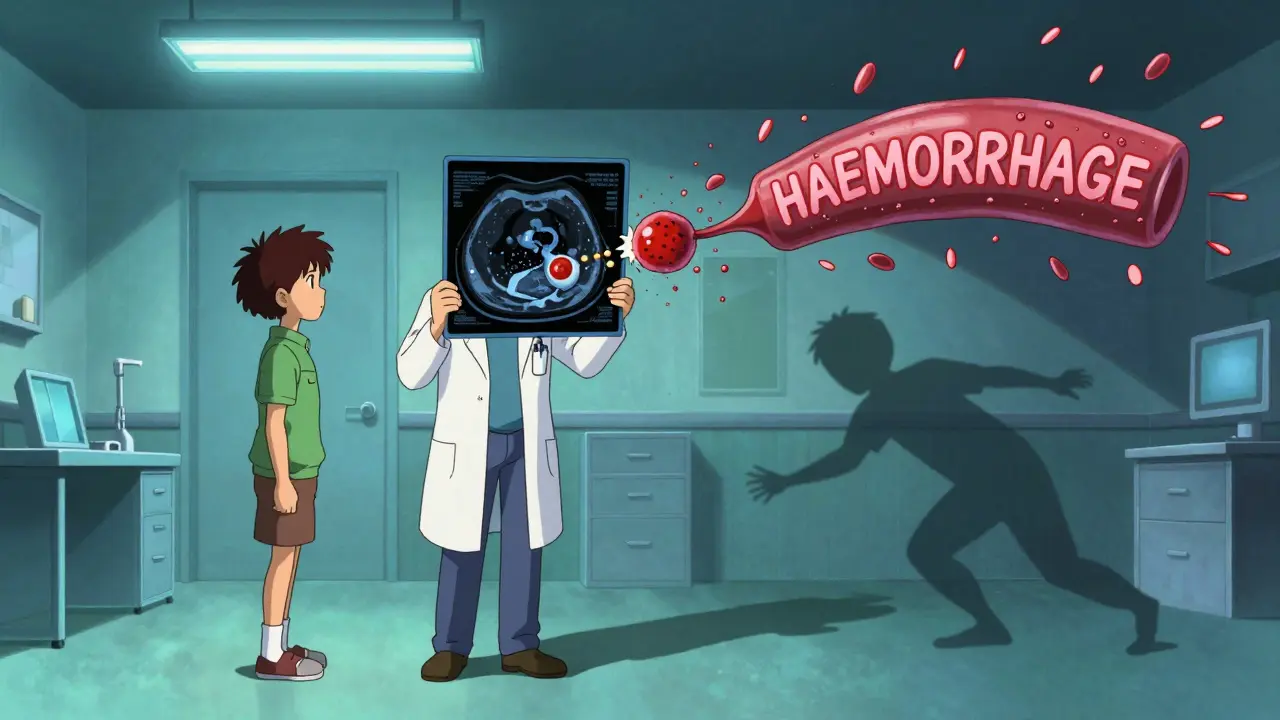
Here’s the catch. While high-dose statins reduce ischemic strokes (the kind caused by clots), they slightly increase the risk of hemorrhagic strokes (the kind caused by bleeding in the brain). In the SPARCL trial, 2.3% of people on atorvastatin had a brain bleed compared to 1.4% on placebo. That might sound small, but for someone who’s already had a bleed or has high blood pressure, that extra risk can be dangerous.
And it’s not just about the numbers. A 2022 meta-analysis in the Journal of the American College of Cardiology confirmed that higher statin doses correlate with higher hemorrhagic stroke risk. This is why doctors now ask: What kind of stroke did you have? If your stroke was caused by a clogged artery (atherosclerotic), high-dose statins are likely helpful. If it was caused by a weak blood vessel bursting (hemorrhagic), statins might not help-and could hurt.
Who Should Avoid High-Dose Statins
Not everyone is a candidate. People with active liver disease should never take statins. Pregnant women can’t. And those who’ve had severe muscle pain or liver enzyme spikes from statins before should avoid high doses.
Another red flag: drug interactions. If you’re taking amiodarone for heart rhythm problems, cyclosporine after a transplant, or certain antifungal pills, high-dose statins can become toxic. The FDA even issued a warning in 2011 about simvastatin 80 mg-especially when taken with calcium channel blockers, which are common in stroke patients. That’s why many doctors avoid simvastatin at the highest dose and stick with atorvastatin or rosuvastatin instead.
Side Effects: More Common Than You Think
People often stop statins because of side effects. Muscle pain? That’s the #1 reason. Studies show 5-10% of users report it. Digestive issues? Around 1-3%. Some people say they feel “fuzzy” or mentally sluggish-though this affects less than 1%.
But here’s what most don’t realize: stopping statins is often riskier than dealing with side effects. A 2023 study found that stroke survivors who quit statins within six months had a 42% higher chance of having another stroke. That’s not a small number. It’s the difference between a 1 in 10 chance and a 1 in 7 chance of recurrence.
The good news? Side effects are usually dose-dependent. If 80 mg causes muscle aches, dropping to 40 mg often helps-without losing most of the protective benefit. Switching from atorvastatin to rosuvastatin can also reduce muscle pain for some people. The key? Don’t quit cold turkey. Talk to your doctor first.
What the Latest Research Says
Recent studies are adding nuance. A 2024 JAMA Neurology trial looked at starting high-dose statins within 72 hours of stroke. They found no big difference in stroke risk at 90 days compared to waiting three days. But there was a tiny improvement in recovery-people moved better, spoke clearer, and recovered faster. That’s important. It suggests statins might help the brain heal, not just prevent clots.
Another surprise: the benefits are strongest in people with atherosclerosis, high LDL, or diabetes. If you don’t have those, the gain might be smaller. That’s why doctors are moving toward personalization-not just “give everyone 80 mg.”
What About Alternatives?
PCSK9 inhibitors-injectable drugs like evolocumab and alirocumab-are newer options. They lower LDL even more than statins and don’t increase bleeding risk. But they cost $10,000+ a year, and most insurers won’t cover them unless you’ve tried statins and failed. They’re not first-line, but for someone who had a hemorrhagic stroke and still needs aggressive cholesterol control, they might be the only safe choice.
There’s also emerging genetic testing. A variant in the SLCO1B1 gene makes some people more likely to get muscle damage from statins. Testing for it isn’t routine yet-but it’s becoming more accessible. If you’ve had bad reactions before, it might be worth asking about.
How Doctors Decide: A Real-World Approach
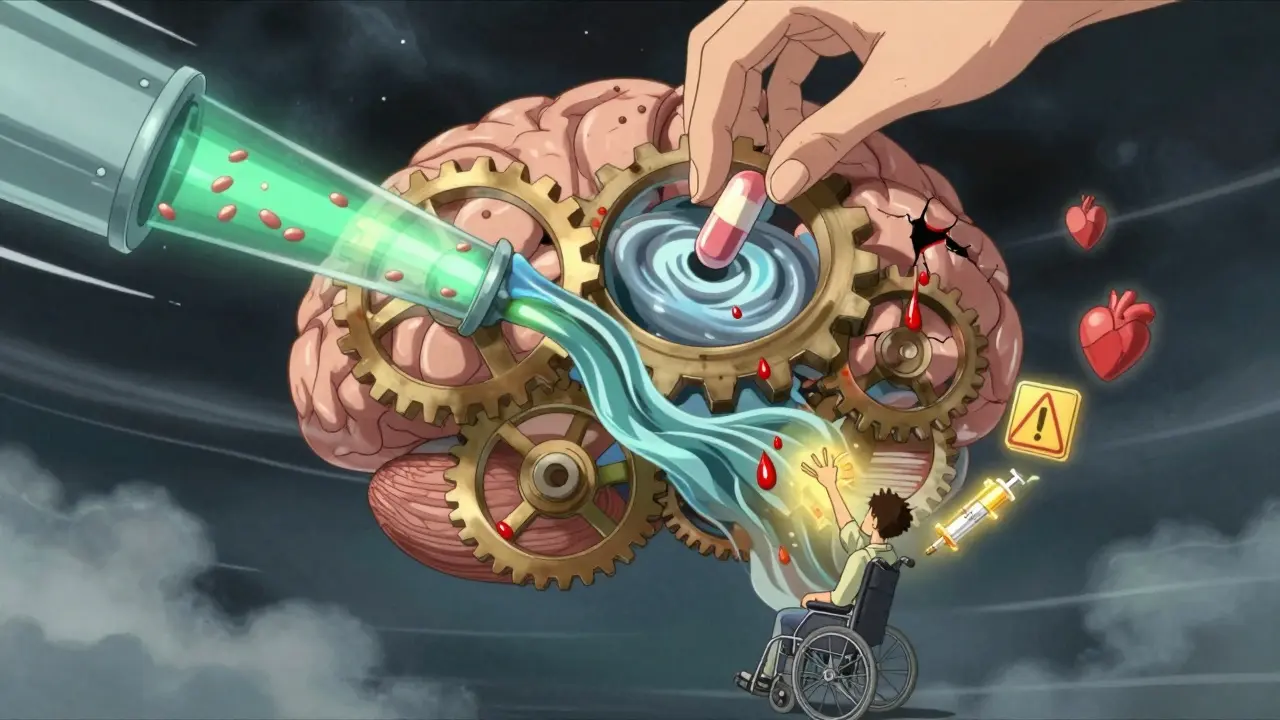
There’s no checklist. But here’s what good clinicians do:
- Check the stroke subtype (CT/MRI scan results)
- Review liver enzymes and creatine kinase before starting
- Ask about muscle pain history and current meds
- Start with 40 mg atorvastatin, not 80 mg, unless the patient has very high LDL or atherosclerosis
- Monitor liver and muscle markers at 3 and 6 months
- Never stop statins without a plan-always adjust dose or switch type first
And yes, many patients still don’t get statins at discharge. Studies show only about half are prescribed them in U.S. hospitals. In some Southern states, that number drops below 40%. That’s a gap we can’t afford. Statins are one of the most effective tools we have to prevent repeat strokes.
What You Can Do
If you’ve had a stroke:
- Ask your doctor: What type of stroke did I have?
- Ask: What’s my LDL goal, and how will we get there?
- If you feel muscle pain, don’t stop. Ask: Can we lower the dose? Try a different statin?
- Get your liver and muscle enzymes checked at least once a year.
- If you’re on other meds, bring a full list to every appointment-interactions matter.
And if you’re a caregiver? Watch for signs of confusion, weakness, or sudden headaches. Those could mean another stroke-or a bleed. Don’t wait. Call your doctor.
The bottom line: High-dose statins save lives-but not for everyone. The best choice isn’t the highest dose. It’s the highest tolerated dose that keeps your LDL low and your brain safe.
Are high-dose statins always recommended after a stroke?
No. High-dose statins are typically recommended for people who had an ischemic stroke caused by artery blockage (atherosclerosis). They’re not routinely advised for hemorrhagic strokes (brain bleeds), because they may increase the risk of another bleed. Doctors consider stroke type, cholesterol levels, age, and other health conditions before deciding.
Can I switch from a high-dose statin to a lower dose?
Yes, and it’s often the right move. Many people experience side effects like muscle pain at 80 mg, but do just fine on 40 mg. Studies show you still get most of the stroke prevention benefit at lower doses. Never stop statins cold turkey-talk to your doctor about reducing the dose or switching to another type like rosuvastatin.
Do statins cause memory problems or brain fog?
Some people report feeling mentally foggy, but large studies haven’t proven a direct link. The FDA reviewed data and found no consistent evidence that statins cause cognitive decline. If you feel this way, it’s worth discussing-but don’t assume it’s the statin. Other factors like sleep, stress, or other meds could be involved.
How long do I need to take statins after a stroke?
For most people, it’s lifelong. The risk of another stroke remains high for years after the first one. Stopping statins-even after a year or two-doubles the chance of recurrence. If side effects are a problem, adjust the dose or type, but don’t quit. The benefits last as long as you take them.
Is there a safer alternative to high-dose statins?
For people who can’t tolerate statins or had a hemorrhagic stroke, PCSK9 inhibitors (like evolocumab) are an option. They lower LDL even more than statins and don’t increase bleeding risk. But they’re expensive and usually require prior authorization from insurance. They’re not first-line, but they’re a valuable tool for specific cases.
Final Thoughts
High-dose statins after stroke aren’t magic. They’re a tool-with clear benefits and real risks. The goal isn’t to take the biggest pill possible. It’s to find the dose that keeps your arteries clear without harming your brain. For most people, that means sticking with statins, adjusting as needed, and never quitting without a plan. The data is clear: staying on treatment saves lives. The trick is making sure you can stay on it.


