
Levodopa-Protein Interaction Estimator
This tool estimates how a high-protein meal might compete with Levodopa for transport across the blood-brain barrier (LAT1), potentially delaying or reducing motor symptom relief.
Estimated Outcome:
Enter your details above to see the estimated effect on your motor control.
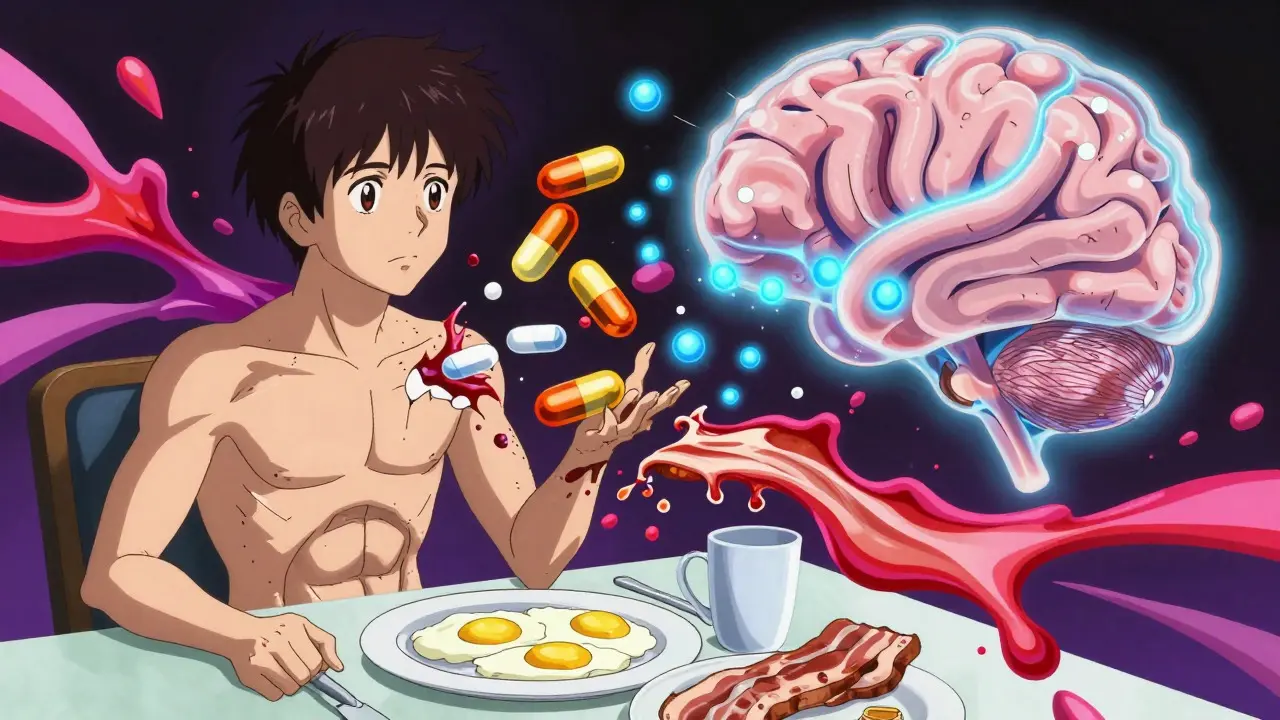
Imagine taking your morning medication, sitting down to a hearty breakfast of eggs and bacon, and then watching your mobility slip away within an hour. For many people with Parkinson's disease, this isn't just bad luck; it is a predictable biological clash between food and medicine. Levodopa is the gold-standard treatment for managing motor symptoms in Parkinson's, but it has a major weakness: it cannot enter the brain on its own. It needs a ride across the blood-brain barrier, specifically using a transporter system called LAT1. The problem? Dietary proteins break down into large neutral amino acids (LNAAs) that use that exact same transporter. When you eat a high-protein meal, these amino acids crowd out levodopa, leaving less medication to reach your brain. This competition can turn a stable day into a frustrating cycle of stiffness and tremors. Understanding this interaction is not about fearing protein-it is about timing and strategy. By learning how these competing amino acids work, you can take control of your motor function rather than letting your diet dictate your day.
The Science Behind the Clash: Why Protein Blocks Levodopa
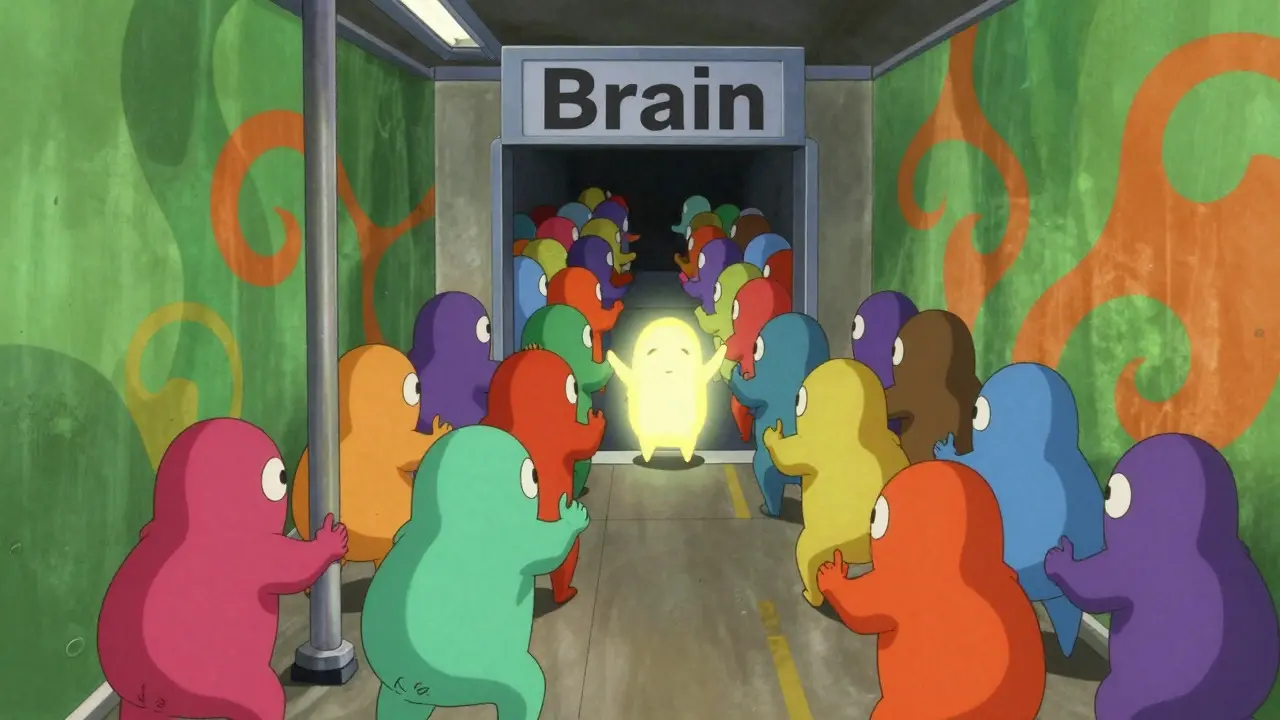
To understand why your steak might be fighting your medication, we need to look at the microscopic level. When you digest protein, your body breaks it down into amino acids. Seven specific amino acids-leucine, isoleucine, valine, phenylalanine, tyrosine, tryptophan, and methionine-are classified as Large Neutral Amino Acids (LNAAs). Levodopa also falls into this category chemically. Both LNAAs and levodopa compete for the same limited number of seats on the LAT1 transporter at the intestinal wall and the blood-brain barrier. Think of it like a crowded bus stop where only one person can get on the bus at a time. If a flood of passengers (amino acids from your meal) arrives right when the bus (the transporter) pulls up, the single passenger (levodopa) gets left behind. Research by Pardridge and Oldendorf in 1977 established this competitive inhibition mechanism. When plasma concentrations of LNAAs spike by 30-50% after a protein-rich meal, levodopa absorption drops by 25-40%. This delay can push the peak effectiveness of your dose back by 45 to 90 minutes. For someone relying on precise timing to walk, talk, or eat, that gap is significant. This interaction usually becomes noticeable years after diagnosis. Studies show it typically manifests around 8 years after starting levodopa therapy. Before this point, the brain’s natural dopamine production may mask the issue. As the disease progresses and neurons die off, the brain relies more heavily on external levodopa, making the competition with dietary protein much more apparent.
Recognizing the Signs: Is Protein Affecting Your Medication?
Not everyone experiences this interaction severely. Approximately 40-50% of patients on long-term levodopa therapy report motor fluctuations linked to diet. But if you are struggling, the signs are often subtle until they become disruptive. The most common symptom is the unpredictable "off" period. You take your pill, feel good for an hour, and then suddenly feel stiff, slow, or tremulous shortly after eating. This is different from the normal wearing-off effect that happens hours later. This is immediate interference. Watch for these specific patterns:
- Post-meal stiffness: Symptoms worsen consistently 30-60 minutes after lunch or dinner, especially if those meals are heavy in meat, dairy, or legumes.
- Inconsistent response: Your medication works well on weekends when you might eat lighter or earlier, but fails during busy workdays with heavy lunches.
- Dosage confusion: You find yourself needing higher doses to achieve the same effect, particularly after meals.
Strategic Solutions: Managing Protein Without Starving
You do not need to eliminate protein to manage Parkinson's. In fact, adequate protein is crucial for maintaining muscle mass and preventing frailty. The goal is redistribution and timing. There are three main approaches used by clinicians and dietitians.
- Protein Redistribution Diet (PRD): This is the most effective strategy for many. Instead of restricting total protein, you shift it. Consume low-protein foods (<7g per meal) during the day when you need maximum mobility. Save 80-85% of your daily protein intake for the evening meal, when you are less active and motor fluctuations matter less for daily tasks. Studies show PRD can reduce "off" time by over 100 minutes a day compared to balanced diets.
- Low Protein Diet (LPD): This involves restricting total daily protein to 0.6-0.8g per kg of body weight. While effective, it is harder to sustain long-term and carries risks of malnutrition. It is generally reserved for severe cases where PRD fails.
- Timing Adjustments: Taking levodopa 30-60 minutes before any meal can help. This allows the medication to absorb before the amino acid flood arrives. However, this requires strict adherence and may not work for everyone due to individual gastrointestinal differences.
- Breakfast: Low-protein toast with jam, fruit, and herbal tea (approx. 5g protein).
- Lunch: Rice pasta with vegetables and olive oil (approx. 7g protein).
- Dinner: Grilled salmon, quinoa, and broccoli (approx. 35-40g protein).
Navigating the Challenges: Adherence and Social Life
The biggest hurdle isn’t the science; it’s the lifestyle impact. Strict dietary changes can feel isolating. Data shows that 68% of patients drop strict protein restriction within a year because it is socially difficult and monotonous. Eating differently from friends and family at restaurants can lead to anxiety and withdrawal. To combat this, focus on flexibility rather than perfection. Use "protein holidays" strategically. If you have a social event, plan your medication timing carefully. Take your dose early, or choose a menu item that is naturally lower in protein, such as vegetable-based dishes, while enjoying small portions of protein-rich foods. Technology can also help. Apps like MyFitnessPal allow you to track protein intake easily, helping you stay under your daytime limits without mental math. Additionally, specialized low-protein products (LPPs) are available in some regions, offering breads, pastas, and snacks that taste normal but contain minimal protein. These can bridge the gap between medical necessity and culinary enjoyment. Remember, the goal is quality of life. If a strict diet causes stress or weight loss, it is counterproductive. Work with a registered dietitian who understands neurological conditions to create a plan that fits your culture, preferences, and budget.
Comparison of Dietary Strategies for Levodopa Management
| Strategy | Protein Intake | Effectiveness | Adherence Rate | Best For |
|---|---|---|---|---|
| Protein Redistribution (PRD) | Normal total, shifted to evening | High (Reduces 'off' time significantly) | Moderate (Better than LPD) | Most patients with motor fluctuations |
| Low Protein Diet (LPD) | Restricted (0.6-0.8g/kg) | High | Low (Hard to sustain) | Severe cases, short-term trials |
| Timing Adjustment | No restriction | Moderate (Varies by individual) | High (Easy to implement) | Mild interactions, early-stage PD |
| Protein Pacing (Experimental) | Micro-dosed throughout day | Promising (Phase II trials) | Unknown | Future standard of care |

Monitoring and Safety: Avoiding Pitfalls
While managing protein intake, you must monitor your overall health. Restricting protein too aggressively can lead to unintended consequences. Watch for these red flags:
- Unintentional Weight Loss: Losing more than 5% of body weight in six months is a sign your diet is too restrictive. Muscle wasting worsens mobility, creating a vicious cycle.
- Nutritional Deficiencies: Long-term protein restriction can lead to deficiencies in Vitamin B12 and iron, which are critical for energy and nerve health. Regular blood tests are essential.
- BMI Monitoring: If your Body Mass Index (BMI) is below 20, avoid strict protein restriction. Malnutrition poses a greater risk than motor fluctuations in underweight individuals.
Frequently Asked Questions
How quickly does protein affect levodopa absorption?
Plasma concentrations of large neutral amino acids rise within 30-60 minutes after eating a protein-rich meal. This can delay the peak effectiveness of levodopa by 45-90 minutes and reduce absorption by 25-40%, leading to sudden "off" periods shortly after meals.
Is it safe to stop eating protein entirely?
No, eliminating protein is dangerous and unnecessary. Severe restriction can lead to muscle wasting, weakness, and malnutrition. The goal is to redistribute protein to evening meals or time it around medication, not to remove it from your diet completely.
What is the best time to take levodopa relative to meals?
Taking levodopa 30-60 minutes before a meal is often recommended to allow absorption before amino acids compete for transport. Alternatively, waiting 60-90 minutes after a light meal can also help. Consistency is key, so choose a schedule you can maintain daily.
Do plant-based proteins interfere with levodopa?
Yes, all proteins contain large neutral amino acids that compete with levodopa. Beans, lentils, tofu, and nuts all contribute to LNAA levels. While plant proteins may have different absorption rates, they still trigger the competitive inhibition mechanism at the blood-brain barrier.
When should I start considering a protein redistribution diet?
Consider this approach if you experience unpredictable "off" periods shortly after eating, especially if you have been on levodopa for several years. About 40-50% of long-term users benefit. Consult your neurologist or a dietitian to assess if your symptoms are diet-related.
Can I reverse the effects of a high-protein meal?
You cannot instantly reverse the competition, but you can mitigate it. If you accidentally eat a high-protein meal, wait at least 60-90 minutes before taking your next levodopa dose. Staying hydrated and engaging in gentle movement may also help optimize whatever absorption occurs.