Buying medicine abroad sounds simple: cheaper prices, same pills, right? But what if the pill you’re holding isn’t what it claims to be? Every year, thousands of travelers and cost-conscious consumers buy medications from foreign websites or street vendors, thinking they’re saving money. Instead, they’re risking their lives. In 2024, the DEA shut down over 300 illegal online pharmacies targeting Americans, many selling fake versions of weight loss drugs like semaglutide and diabetes meds like metformin. One woman in Ohio died after taking what she thought was oxycodone-it was fentanyl. No warning. No second chance.
What Makes a Medication Illegal or Counterfeit?
Illegal medications aren’t just unapproved. They’re dangerous imitations. A counterfeit drug might have no active ingredient at all. Or it could have too much of one chemical, or a toxic one mixed in-like fentanyl in painkillers, or rat poison in diabetes pills. The World Health Organization estimates that 1 in 10 medicines sold in low- and middle-income countries are fake. But it’s not just those countries. Fake pills from India, Turkey, and the Dominican Republic are shipped directly to U.S. doorsteps, often labeled as "Canadian" or "EU-approved" to trick buyers.These products bypass every safety check. Legitimate drugs go through strict manufacturing controls, batch testing, and tracking systems like the U.S. Drug Supply Chain Security Act. Counterfeiters skip all of it. They copy packaging, use fake logos, and even mimic QR codes that look real but lead nowhere. The European Medicines Agency found hundreds of fake Facebook ads and Instagram posts promoting weight loss drugs in 2024. Some even used real-looking pharmacy websites with .com domains that look professional-but have no license, no pharmacist on call, and no physical address you can verify.
How to Spot a Fake Online Pharmacy
If you’re buying online, here’s what to check before you click "Buy Now":- Requires a prescription? Legitimate pharmacies always ask for one. If a site sells you Adderall, insulin, or Xanax without a prescription, it’s illegal.
- Shows a physical address? Look it up. Does it match the business registration? Many fake pharmacies list a PO box or a warehouse in a different country.
- Has a verified pharmacy license? In the U.S., check if the site is VIPPS-certified by the National Association of Boards of Pharmacy. As of October 2024, only 68 U.S. online pharmacies had this certification.
- Offers prices that seem too good to be true? A 70% discount on brand-name Eliquis? That’s not a deal-it’s a trap. Legitimate pharmacies don’t undercut prices that drastically.
- Sells in foreign currency? If the site shows prices in pesos, rupees, or euros instead of dollars, it’s likely operating outside U.S. regulations.
- Uses vague language like "FDA approved" or "EMA certified"? The FDA and EMA do not endorse or promote any online pharmacy. If they say they’re "officially partnered," it’s a lie.
The NABP keeps a public list of 12,000 illegal online pharmacies. It’s updated monthly. If you’re unsure, search their Not Recommended List before buying anything.
Why "Canadian" Medications Are Often a Scam
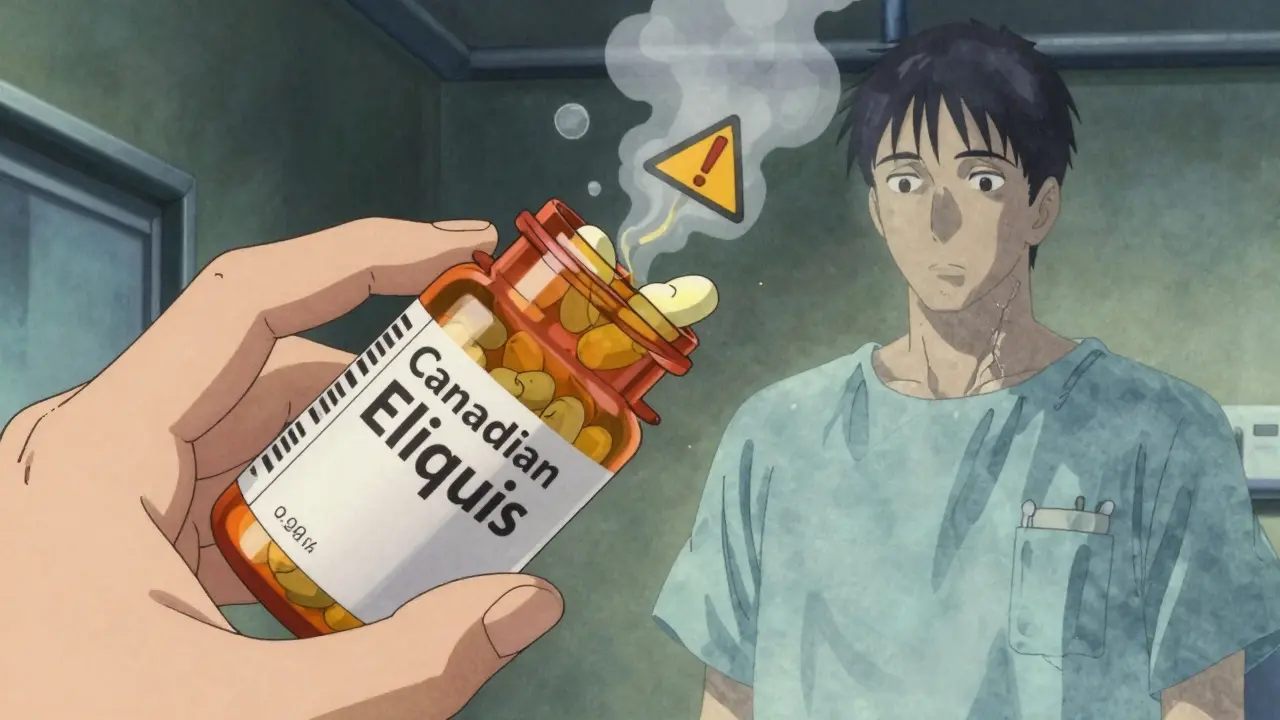
Many people believe buying from Canada is safe. It’s not. The American Medical Association found in 2024 that most websites claiming to sell Canadian drugs are actually based in India, Turkey, or Southeast Asia. They use Canadian branding because Canadians have strict drug laws-and Americans trust that. But here’s the truth: Canada doesn’t monitor what happens to medicines once they leave its borders. A bottle labeled "Made in Canada" could have been filled with counterfeit pills in Mumbai, shipped to a warehouse in Florida, then mailed to your mailbox.Even if you do buy from a real Canadian pharmacy, importing prescription drugs into the U.S. is technically illegal unless you’re bringing a 90-day supply for personal use. But most people buying online aren’t following that rule. They’re ordering 6-month supplies of insulin or blood thinners from unverified sources. The risk isn’t just legal-it’s lethal. A Reddit user in March 2024 reported taking counterfeit Eliquis from a "Canadian" site. It had zero active ingredient. He suffered a stroke.
What to Do If You’re Already Buying from a Suspicious Site
If you’ve bought medicine from a site that doesn’t meet the safety criteria above, stop immediately. Don’t take any more pills. Contact your doctor. Tell them exactly what you took-brand name, color, shape, where you bought it. They can run tests to check for harmful substances.Report the site. File a complaint with the FDA’s MedWatch program or the DEA’s online tip line. Even if you think you’re the only one, you’re not. In 2024, the DEA’s "Operation Press Your Luck" led to 13,000 arrests globally after investigators traced thousands of complaints from consumers like you.
If you’ve already taken a pill and feel dizzy, nauseous, or have chest pain, go to the ER. Don’t wait. Fentanyl poisoning can kill in minutes. Counterfeit metformin has caused liver failure. Fake antibiotics have led to untreatable infections.
How to Get Affordable Medicine Without Risking Your Life
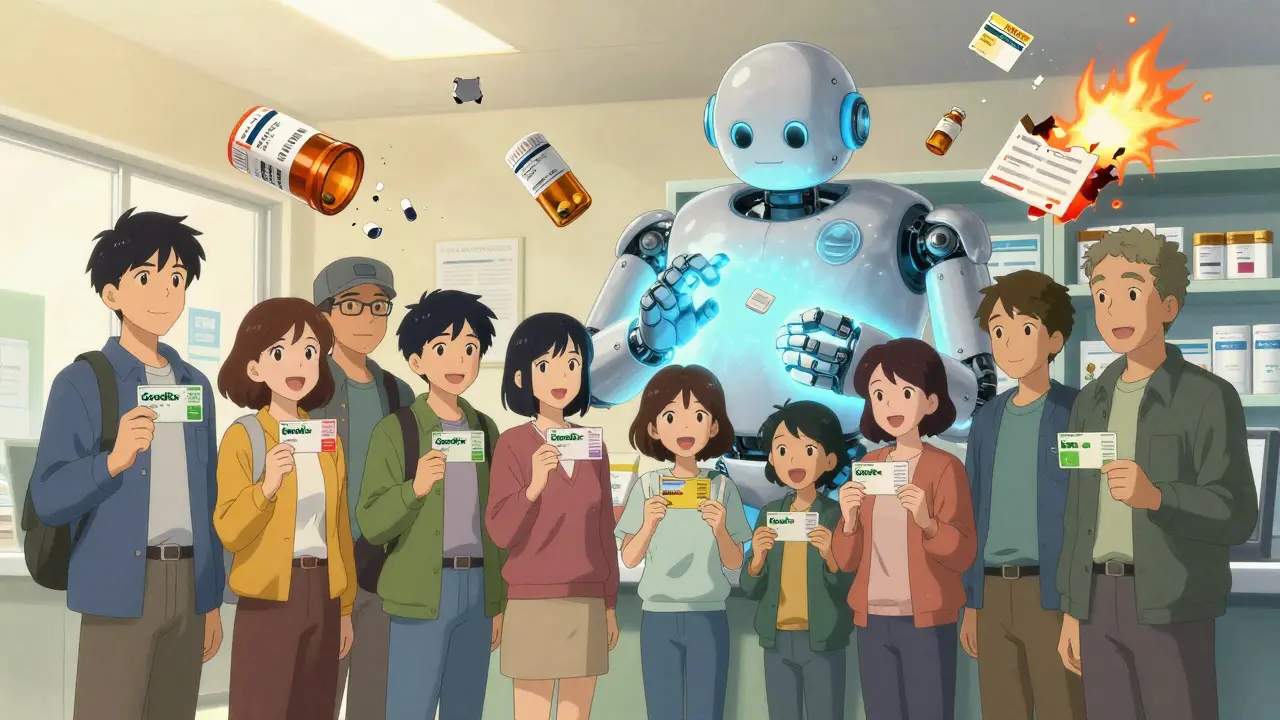
You don’t have to choose between affordability and safety. Here are real, legal options:- Use prescription discount cards. GoodRx, SingleCare, and Blink Health offer discounts of up to 80% on brand-name drugs at U.S. pharmacies. These are free, legal, and backed by real pharmacy networks.
- Ask about generic alternatives. Most brand-name drugs have generic versions that are identical in effect but cost 90% less. Talk to your pharmacist.
- Check patient assistance programs. Pharmaceutical companies like Pfizer, Merck, and Eli Lilly offer free or low-cost medications to qualifying U.S. residents. You can apply online in minutes.
- Use mail-order pharmacies. Many insurance plans offer 90-day mail-order prescriptions at lower copays. These are FDA-regulated and shipped with tracking.
According to the Commonwealth Fund, countries with universal healthcare systems have 83% fewer cases of illegal medication purchases. Why? Because people don’t have to choose between paying rent and buying insulin. In the U.S., the answer isn’t to buy from shady websites-it’s to demand better access through legal channels.
What to Do If You’re Traveling
If you’re traveling abroad and need medicine:- Bring enough for your entire trip, plus extra. Pack them in original bottles with your name and prescription label.
- Don’t buy medicine at street markets or local pharmacies unless you’re absolutely sure of the source. Even in developed countries, counterfeit drugs exist.
- Check your country’s travel health advisory. The CDC and WHO list countries with known counterfeit drug problems.
- If you must refill a prescription overseas, ask your doctor for a letter explaining your condition and medication. Take it with you.
Never rely on a local pharmacist’s word. Ask to see the packaging’s expiration date, batch number, and manufacturer. If it’s in a language you don’t understand, don’t take it.
Final Warning: The Cost Isn’t Just Financial
Counterfeit drugs don’t just waste your money. They cause real harm. In 2022, the U.S. health system spent $67 billion extra dealing with complications from fake medications. That’s not a number-it’s hospital stays, strokes, overdoses, and deaths. Legitimate pharmaceutical companies lost $34 billion in revenue that year. But the real cost? A mother who lost her son to a fake painkiller. A man who had a stroke because his blood thinner didn’t work. A teenager who developed antibiotic-resistant pneumonia from fake amoxicillin.There’s no shortcut to safety. No hidden portal to cheap, reliable medicine outside the system. The only way to protect yourself is to use verified, legal sources-even if it takes more effort.
Can I trust online pharmacies that claim to be "verified"?
Only if they’re certified by the Verified Internet Pharmacy Practice Sites (VIPPS) program in the U.S. or equivalent national regulators like the UK’s GPhC or Canada’s CPhA. Any other "verification" badge is made up. The FDA, EMA, and WHO do not certify or endorse individual online pharmacies.
Is it legal to bring medicine back from another country?
You can legally bring back a 90-day personal supply of a prescription drug if it’s for your own use and you have a valid prescription. But you can’t order larger quantities online and have them shipped to your house-that’s illegal. Customs will seize packages without proper documentation.
What should I do if I think I bought a fake pill?
Stop taking it immediately. Contact your doctor or go to the ER if you feel unwell. Report the pharmacy to the FDA’s MedWatch program and the DEA’s online tip line. Keep the packaging and any receipts-it helps authorities track the source.
Why are counterfeit drugs so common in weight loss and diabetes treatments?
Because demand is high and prices are steep. Drugs like semaglutide and tirzepatide cost over $1,000 a month in the U.S. Criminal networks see an opportunity. They make fake versions that look real but cost pennies to produce. In 2024, the EMA reported a 200% increase in counterfeit weight loss drugs compared to 2023.
Can I get help if I can’t afford my medication?
Yes. Most major drug manufacturers offer patient assistance programs for low-income individuals. You can also use free discount cards like GoodRx or visit a community health center. Many pharmacies offer generic versions at under $10 a month. You don’t need to risk your health to save money.


