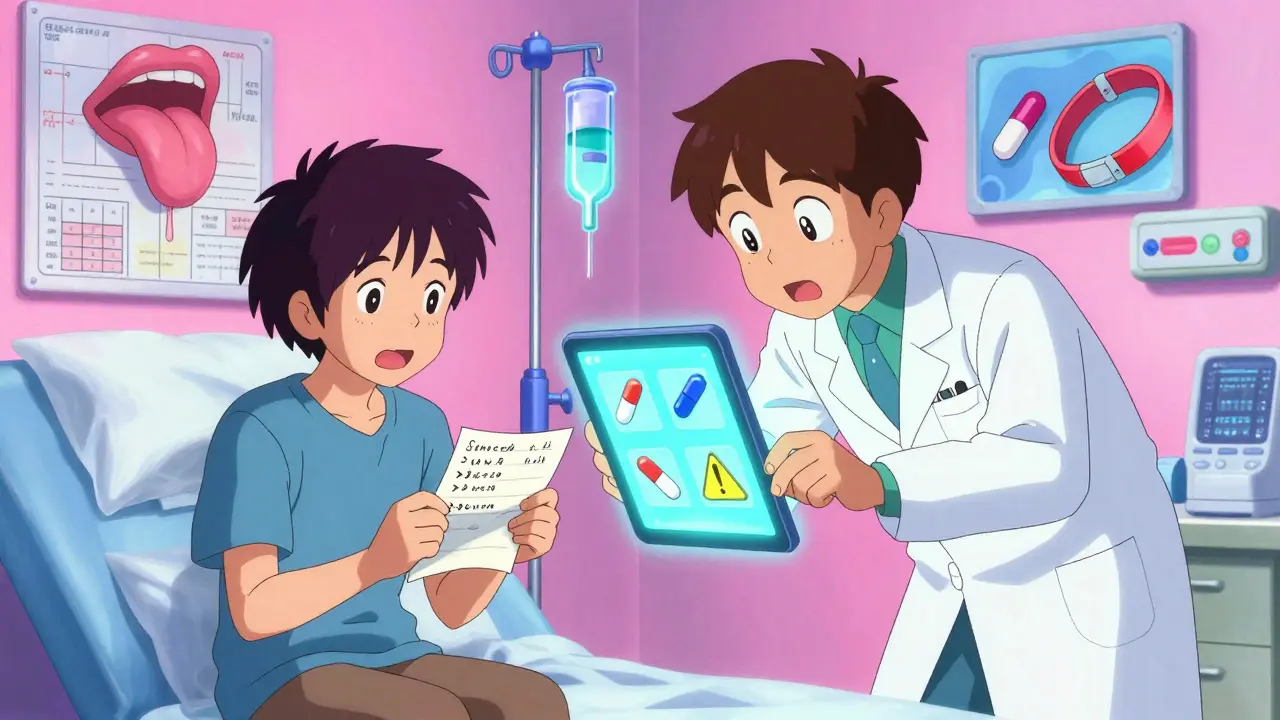

When you’re scheduled for surgery, the last thing you want is for a drug you took years ago to come back and haunt you in the operating room. But it happens - and often because the right information never made it from your kitchen cabinet to the anesthesiologist’s chart. Drug reactions before surgery aren’t just a footnote in your medical record. They’re a life-or-death detail that gets overlooked too often.
Think about it: you might say you’re "allergic" to penicillin because you got a rash as a kid. But maybe it wasn’t an allergy at all - maybe it was just nausea or dizziness. Or maybe you had a real, scary reaction to rocuronium during a C-section ten years ago and never told anyone because you thought it was "one time" and "not a big deal." That’s exactly the kind of gap that puts you at risk.
What Counts as a Drug Reaction?
Not every bad experience with a drug is an allergy. A true allergic reaction involves your immune system. Symptoms like hives, swelling of the throat, low blood pressure, or trouble breathing are red flags. But side effects like nausea, dizziness, or headaches? Those aren’t allergies - they’re adverse reactions. And yes, both matter before surgery.
Here’s what you need to track:
- Drug name - Not "the shot they gave me," but the actual name. If you don’t remember, bring the bottle or a photo of your prescription label.
- Reaction details - What happened? When? How bad? Did you pass out? Did your face swell? Did you need epinephrine?
- Treatment - Were you given antihistamines? Steroids? Was it an emergency?
- Timing - Did it happen during the procedure? Right after? Hours later?
Don’t downplay it. If you vomited after morphine, that’s not "just being sensitive." It could mean your body reacts poorly to opioids. If your heart raced after ketamine, that’s a signal. Anesthesiologists don’t guess - they rely on your history.
When and How to Talk About It
Don’t wait until you’re in the pre-op holding area. That’s too late. By then, the team is rushing, the clock is ticking, and you’re nervous. The best time to bring it up is during your preoperative visit - ideally at least 72 hours before surgery.
Here’s how to make sure your story gets heard:
- Write it down - Before your appointment, make a simple list: Drug, Reaction, Date. Keep it on your phone or a sticky note. Bring it with you.
- Ask for the pharmacist - Many hospitals now have pharmacists assigned to pre-op clinics. They’re trained to dig into your meds. Ask if you can meet with one. They’ll ask questions your doctor might skip.
- Use the right words - Say: "I had a severe reaction to X." Don’t say: "I think I’m allergic." If you’re unsure, say: "I had a bad experience. I don’t know if it was an allergy, but I want it documented."
- Bring your meds - Even vitamins, supplements, or over-the-counter painkillers. Some herbal teas (like St. John’s Wort) interfere with anesthesia. You wouldn’t believe how many people forget this.
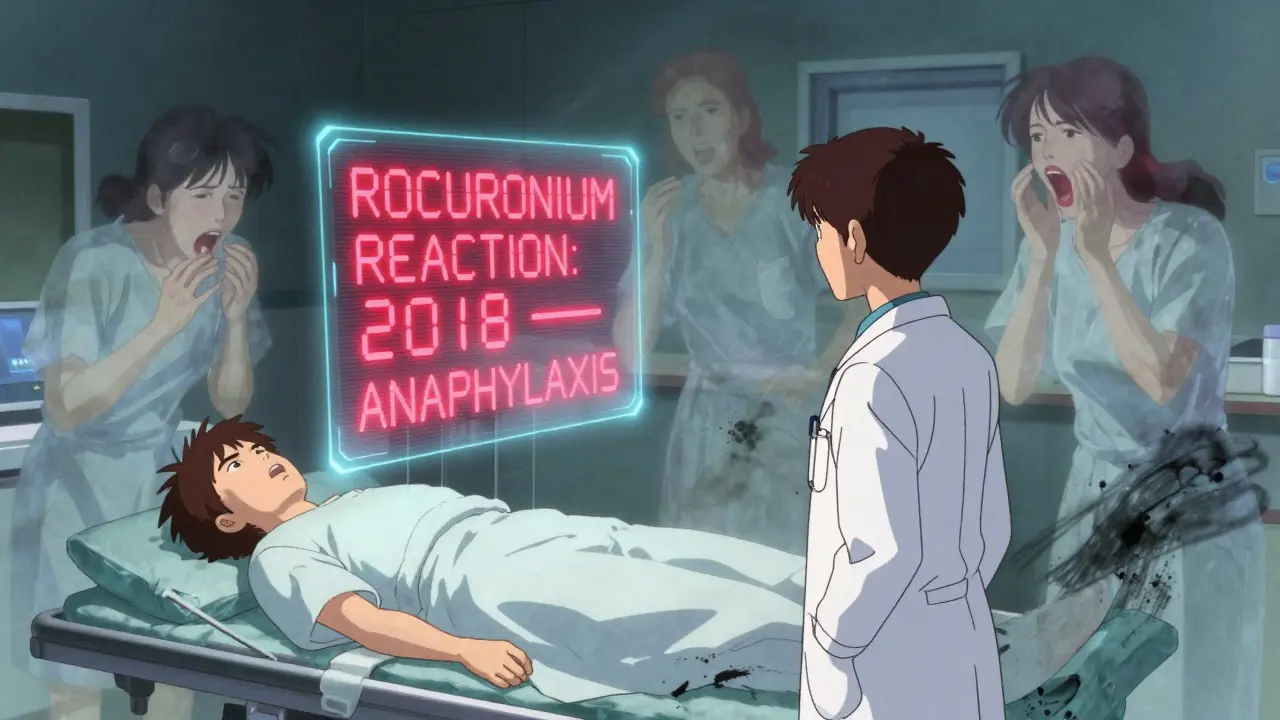
One patient I read about brought a photo of her 2018 reaction - a swollen tongue, taken in the ER. The anesthesiologist said it was the clearest history he’d ever seen. That photo saved her from a repeat reaction.
What the Hospital Should Do
Hospitals with strong safety systems don’t just rely on patients to remember. They have protocols.
According to the American Society of Anesthesiologists (ASA) and the American Society of Health-System Pharmacists (ASHP), every patient should have:
- A medication reconciliation done by a pharmacist at least 24 hours before surgery
- An allergy documentation form with mandatory fields: drug name, reaction type, severity, date
- An electronic alert in the chart that pops up when anyone opens your file
- A review by the anesthesiologist - not just a nurse - who specifically asks about past reactions during surgery
But here’s the catch: not every hospital does this. A 2023 study found that 38% of community hospitals still use paper forms that get lost. If you’re going to a smaller clinic, don’t assume they’re tracking this. Be your own advocate.
What to Do If You’ve Had a Reaction Before
If you’ve had a serious reaction - especially during anesthesia - you need more than just a note. You need a plan.
- Get tested - Ask for a referral to an allergist. Skin tests or blood tests can confirm if it’s a true allergy. Some reactions, like to neuromuscular blockers (e.g., rocuronium), can be confirmed with testing.
- Get a medical alert card - Organizations like the American Academy of Allergy, Asthma & Immunology offer free cards you can carry. They list your reactions and emergency contacts.
- Update your EHR - Make sure your primary care provider enters it into your electronic record. Ask them to send it to any hospital where you might get care.
- Warn your family - If you’re unconscious during surgery, someone will need to speak for you. Teach them what to say: "She had anaphylaxis to X in 2021. Do not give it."
One study from Mayo Clinic found that patients who had a documented, verified allergy and were given an alert card had a 100% prevention rate for repeat reactions. That’s not luck - it’s protocol.
Common Mistakes and How to Avoid Them
Here’s what goes wrong - and how you can stop it:
- Mistake: "I’m allergic to all antibiotics." Solution: Say which one. Penicillin? Sulfa? Cipro? Each is different.
- Mistake: "I had a bad reaction once. I don’t remember the name." Solution: Bring old records. Call your pharmacy. They can print your history.
- Mistake: "I took it again and was fine." Solution: That doesn’t mean it’s safe. Reactions can get worse. One patient had a mild rash in 2015 - then went into cardiac arrest in 2022 from the same drug.
- Mistake: "I didn’t tell them because I didn’t want to cancel surgery." Solution: Better to delay than to die. 37% of preventable deaths in surgery are linked to undocumented drug reactions.

What About Illegal Drugs or Alcohol?
Yes, you need to talk about this too - even if it feels embarrassing.
Drugs like marijuana, cocaine, or even heavy alcohol use change how anesthesia works. They can increase bleeding risk, raise heart rate, or cause dangerous interactions with pain meds. A 2022 study in Anesthesia & Analgesia found that patients who hid their substance use were 4 times more likely to have a complication.
Be honest. Your care team isn’t there to judge - they’re there to keep you alive. Saying, "I smoke weed every night," helps them choose the right drugs. Withholding it? That’s the real risk.
Final Checklist Before Surgery
Do this 3 days before your procedure:
- ✅ List every drug you’ve ever had a reaction to - even if it was years ago
- ✅ Note the symptoms and how severe they were
- ✅ Bring your current medications (including supplements)
- ✅ Ask if you can speak to the pharmacist
- ✅ Confirm your allergy is in the electronic record
- ✅ Tell one family member what to say if you can’t speak
That’s it. No fancy forms. No complicated jargon. Just clear, honest, specific information. That’s what saves lives.
What if I don’t remember the name of the drug I reacted to?
Don’t panic. Call your pharmacy or primary care provider - they can pull your prescription history. If you had an ER visit or hospital stay after the reaction, ask for a copy of the discharge summary. Even vague details like "a shot in the arm during a C-section" or "the green IV fluid" can help clinicians narrow it down. Many hospitals now use AI tools that match symptoms to likely drugs based on your medical history.
Can I just say "I’m allergic to everything" to be safe?
No. Saying "everything" makes it harder to keep you safe. Anesthesiologists need to know what to avoid - but also what’s safe. If you say you’re allergic to all antibiotics, they might avoid a drug you’re actually fine with - and then have to use a less effective, riskier alternative. Be specific. It gives them more options, not fewer.
Do I need to tell them about my allergy if I’m having local anesthesia?
Yes. Even if you’re not going under general anesthesia, you may still get sedatives, painkillers, or antibiotics. A reaction to lidocaine? That matters. A reaction to morphine? That matters. Every drug given before, during, or after surgery can trigger a reaction - not just the main anesthetic.
What if the hospital doesn’t have my records?
Bring your own documentation. Print out your allergy list, or write it on a card. Some hospitals now accept digital allergy cards via QR code. If you’ve been tested by an allergist, bring the report. If you’ve never been tested, ask for a referral before surgery - it’s not optional. Your safety depends on it.
Is it too late to tell them once I’m in the operating room?
It’s never too late to speak up - but it’s too late to prevent a reaction. Once anesthesia starts, there’s no time to check records or consult an allergist. That’s why pre-op communication is non-negotiable. If you’re rushed and forget, tell the nurse before they start the IV. Say: "I need to tell you something about my drug history." They’ll pause. They’re trained to listen.


