

Medication errors cost the global healthcare system an estimated $42 billion annually and cause thousands of preventable deaths. For clinicians, pharmacists, and nurses, staying ahead of these risks isn't just about keeping up with news-it is a critical patient safety obligation. The challenge? Information overload. With dozens of organizations issuing guidelines, alerts, and best practices, knowing which sources to trust and how to digest them efficiently can feel overwhelming.
This guide cuts through the noise. It outlines exactly which professional societies matter most for medication safety, how to access their updates without drowning in emails, and practical strategies to turn these guidelines into actionable changes in your daily practice. Whether you work in a large hospital or a small community clinic, following these steps ensures you are protecting patients with the latest evidence-based standards.
Key Takeaways
- ISMP (Institute for Safe Medication Practices) offers the most rapid, error-specific alerts via its weekly newsletter, making it essential for acute care settings.
- FDA Drug Safety Communications provide authoritative regulatory warnings but often lag behind real-time clinical incidents by weeks.
- ASHP (American Society of Health-System Pharmacists) provides practical implementation tools and self-assessment resources for pharmacy teams.
- AORN (Association of periOperative Registered Nurses) is the definitive source for surgical and perioperative medication safety protocols.
- Adopting a tiered subscription model-where a designated safety officer filters and disseminates key updates-reduces information overload and increases adherence.
Why Professional Society Updates Matter More Than Ever
The landscape of medication safety has shifted dramatically since the Institute for Safe Medication Practices (ISMP) established its National Medication Errors Reporting Program (MERP) in 1991. Today, the stakes are higher. The World Health Organization (WHO) launched its Global Patient Safety Challenge 'Medication Without Harm' in March 2017 with a bold goal: reduce severe avoidable medication-related harm by 50% globally within five years. While progress varies, the initiative underscores that systemic change requires coordinated action.
Professional societies bridge the gap between raw data and clinical practice. They don't just report errors; they analyze patterns. For instance, ISMP processed 2,847 medication error reports in 2022 alone. This data fuels their Targeted Medication Safety Best Practices, which offer specific, actionable guidance rather than vague recommendations. According to a 2022 annual survey, 92% of ISMP subscribers reported implementing at least one best practice from each issue. That is a direct link between reading the update and improving patient outcomes.
However, relying on a single source is risky. Dr. Michael Cohen, President Emeritus of ISMP, noted in the October 2023 ISMP Newsletter that "Relying on a single source for medication safety updates is as dangerous as using a single verification step in medication administration - redundancy saves lives." A robust safety strategy requires subscribing to multiple channels to cover different aspects of care, from regulatory changes to specialty-specific protocols.
Top Organizations for Medication Safety Updates
Not all safety updates are created equal. Each organization serves a distinct role in the ecosystem. Understanding their strengths helps you prioritize which subscriptions fit your workflow.
| Organization | Primary Focus | Update Frequency | Cost/Access | Best For |
|---|---|---|---|---|
| ISMP | Rapid error reporting & prevention | Weekly newsletter | $299/year (individuals) | Hospitalists, Pharmacists, Safety Officers |
| FDA | Regulatory warnings & label changes | As needed (47 communications in 2023) | Free | All Clinicians, Regulatory Compliance |
| ASHP | Pharmacy practice guidelines & tools | Biennial/Continuous | Free basic / $99/year premium | Health-System Pharmacists |
| AORN | Perioperative medication safety | Biennial (moving to quarterly micro-updates) | Member access | Surgical Nurses, Anesthesiologists |
| WHO | Global policy & strategic frameworks | Ongoing initiatives | Free | Public Health Officials, Policy Makers |
ISMP stands out for its speed. Its Medication Safety Alert! newsletter reaches over 45,000 professionals globally. Because it draws directly from the MERP database, it highlights emerging trends before they become widespread problems. However, this volume can be daunting. A 2023 ASHP survey found that 37% of subscribers experience information overload. To mitigate this, many institutions designate a medication safety officer to filter and summarize relevant alerts for staff.
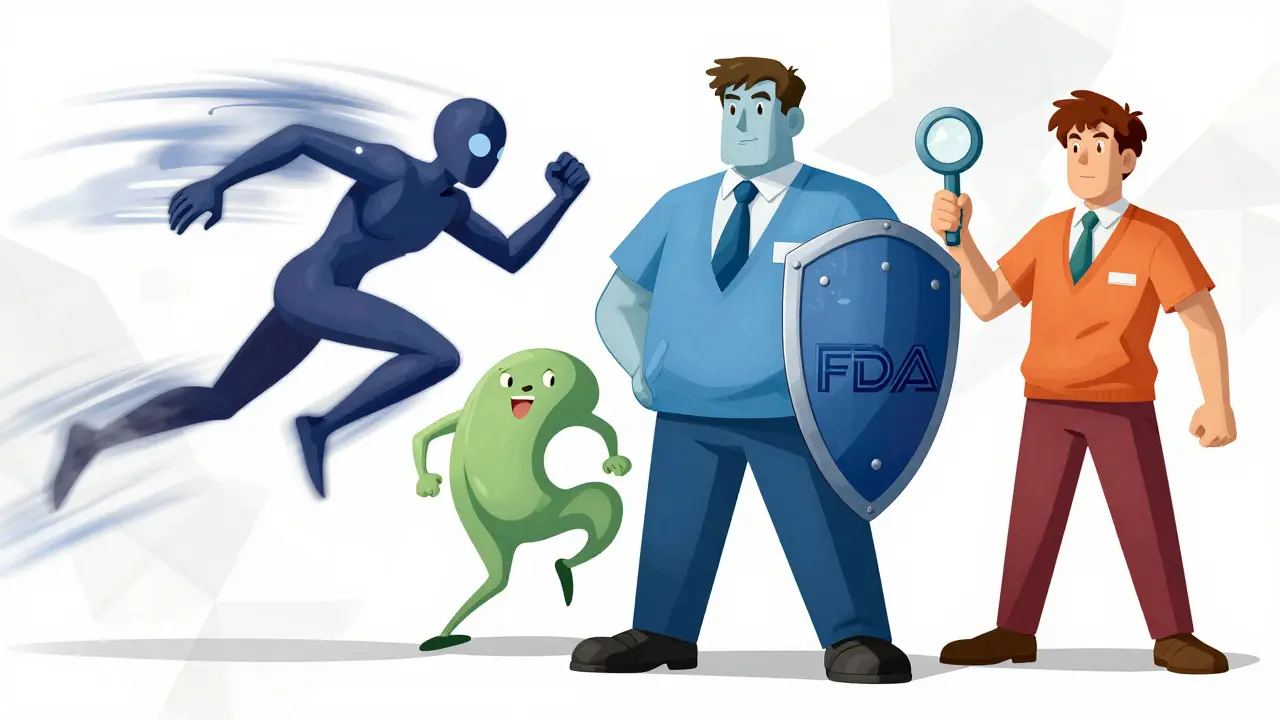
The FDA’s Drug Safety and Availability portal is free and authoritative. It issues warnings when serious risks are identified post-market. In 2023, the FDA issued 47 drug safety communications. Yet, there is a delay. A 2022 NEJM analysis documented a median 47-day gap between incident identification and public communication. By the time the alert arrives, harm may have already occurred. Use FDA alerts for regulatory compliance and major label changes, but pair them with faster sources like ISMP for real-time vigilance.
ASHP’s Medication Safety Resource Center excels in practical application. It offers free basic access to practice guidelines and charges $99 annually for premium content and continuing education credits. Its tools, such as the Medication Safety Self-Assessment, help teams identify gaps in their protocols. This resource is particularly valuable for independent practitioners who need structured ways to evaluate their own systems, though 63% of independents cite membership fees as a barrier.
AORN focuses exclusively on the perioperative setting. Their October 2023 guideline revision introduced new sections on organizational oversight and technology, reflecting the evolving nature of surgical care. For non-surgical providers, AORN updates have limited relevance-only 18% of non-surgical healthcare providers found them useful per a JAMA Surgery study. If you work in the OR, AORN is indispensable. If not, you can likely skip it.
Strategies to Manage Information Overload
Subscribing to every available list is a recipe for burnout. The key is curation. Here is how to structure your intake so you stay informed without wasting time.
- Adopt a Tiered Subscription Model: Instead of everyone reading every alert, assign roles. A medication safety officer or lead pharmacist should monitor high-volume sources like ISMP and FDA daily. They then distill critical updates into brief, actionable memos for the broader team. This approach takes approximately 2-3 hours weekly for monitoring but saves dozens of hours across the department.
- Integrate Updates into Existing Workflows: Don’t treat safety updates as separate tasks. AORN suggests integrating guideline updates into quarterly staff competency assessments. Their October 2023 implementation toolkit showed a 63% reduction in medication errors when updates were incorporated into simulation training within 30 days of publication. Link new knowledge to existing performance reviews or team meetings.
- Leverage Technology: Look for EHR integrations. Epic and Cerner announced native ISMP best practice integration in their 2024 Q2 releases. These systems can push relevant alerts directly into clinician workflows, potentially increasing guideline adherence from 58% to an estimated 82%. Check if your institution is adopting these features.
- Focus on High-Impact Areas: Prioritize updates related to high-risk medications (e.g., insulin, opioids, anticoagulants) and error-prone abbreviations. Familiarize yourself with the NCC MERP Index for error severity classification and ISMP’s List of Error-Prone Abbreviations, Acronyms, and Symbols. These foundational documents change less frequently but remain critical for standardizing communication.
Real-World Implementation Challenges
Even with the best resources, translating guidelines into practice is hard. A 2023 AHRQ Safety Program survey found that 68% of hospitals struggle with "translating guidelines into actionable protocols." Why?
First, context matters. A guideline developed for a large academic medical center may not apply to a rural clinic with limited staffing. Second, fatigue sets in. When clinicians receive too many alerts, they start ignoring them-a phenomenon known as "alert fatigue." This is why specificity is crucial. Generic reminders like "check allergies" are ignored. Specific alerts like "New interaction warning: Drug X increases bleeding risk with Warfarin" drive behavior change.
User experiences highlight both value and frustration. On Reddit’s r/pharmacy community, users praised ISMP as "the one subscription worth every penny," citing prevented errors. Conversely, some critics argue that certain premium resources repackaging public domain information. To get the most value, look for resources that offer unique data or practical tools, not just summaries of publicly available regulations.
Documentation quality also varies. FDA communications scored 4.7/5 for clarity in a 2023 BMJ review, while WHO implementation guides scored only 3.2/5 for practical applicability. When reviewing guidelines, assess whether they provide clear, step-by-step instructions or vague strategic goals. Favor the former for immediate clinical use.

Future Trends in Medication Safety Communication
The field is moving toward greater standardization and digital integration. The International Coalition of Medication Safety Organizations (ICMSO) is working on a unified update taxonomy expected in Q2 2025. This could simplify how different organizations categorize and share safety information, reducing fragmentation.
Artificial intelligence is also entering the picture. ISMP’s March 2024 launch of Targeted Medication Safety Best Practices for 2024-2025 included new practices addressing AI-assisted medication management. As AI tools become more common in prescribing and dispensing, safety guidelines will need to address algorithmic bias, transparency, and human oversight.
Despite these advancements, professional society updates remain essential. ECRI’s 2024 Horizon Report suggests that 94% of safety officers rate these updates as "critical" for maintaining current practice standards. Commercial platforms may offer convenience, but they lack the non-commercial, evidence-based positioning of groups like ISMP and ASHP. For now, and likely for years to come, direct engagement with professional societies is the gold standard for medication safety.
Next Steps for Your Practice
If you are starting from scratch, begin with two subscriptions: the free FDA Drug Safety email alerts and the ISMP Medication Safety Alert! newsletter. Review them weekly. Identify one actionable change from each month’s updates and implement it. Share this change with your team to build a culture of continuous improvement.
If you already subscribe to multiple sources, audit your usage. Which alerts do you actually read? Which ones lead to changes in practice? Unsubscribe from low-value sources. Delegate filtering tasks to designated safety champions. And remember: the goal isn’t to know everything. It’s to act on what matters most for your patients.
Is it necessary to pay for medication safety updates?
Not entirely. The FDA provides free, authoritative drug safety communications. ASHP offers free basic access to practice guidelines. However, paid subscriptions like ISMP ($299/year) provide deeper analysis, rapid error reporting, and practical implementation tools that free resources often lack. For institutions, the cost is typically outweighed by the reduction in medication errors and associated liability costs.
How often should I review medication safety guidelines?
For high-volume sources like ISMP, a weekly review is recommended. For biennial guidelines like AORN or ASHP comprehensive updates, review them upon release and integrate them into quarterly staff training. The key is consistency. Setting aside 2-3 hours weekly for monitoring and dissemination ensures you stay current without disrupting clinical duties.
Which organization is best for surgical medication safety?
The Association of periOperative Registered Nurses (AORN) is the leading authority for perioperative medication safety. Their guidelines are specifically tailored to the operating room environment, covering topics like anesthesia administration and intraoperative error prevention. Non-surgical providers may find less relevance in AORN updates compared to general hospital guidelines from ISMP or ASHP.
Can I rely solely on FDA alerts for medication safety?
No. FDA alerts are critical for regulatory compliance but often arrive after harm has occurred, with a median delay of 47 days. They focus on label changes and major warnings rather than near-misses or emerging error patterns. Pair FDA alerts with proactive sources like ISMP, which analyzes real-time error reports to prevent incidents before they escalate.
How do I handle information overload from multiple safety sources?
Implement a tiered subscription model. Designate a medication safety officer or lead pharmacist to filter and summarize key updates for the team. Focus on high-impact areas like high-risk medications and error-prone abbreviations. Integrate updates into existing workflows, such as quarterly competency assessments, rather than treating them as separate tasks. This reduces cognitive load and increases adherence.


