

It starts with a small dose of liquid medicine. Your child takes it without fuss, you put the bottle away, and life goes on. But then, an hour later, they’re vomiting. Or maybe they develop a rash that wasn’t there before. Suddenly, the simple act of giving medicine feels like walking through a minefield. You wonder if you did something wrong. Did you give too much? Is this an allergy? Do you need to rush to the emergency room?
This anxiety is normal. In fact, pediatric adverse drug events are side effects or reactions to medications that occur in children about three times more often in kids than in adults. Why? Because children aren’t just small adults. Their kidneys, livers, and immune systems are still developing, processing chemicals differently than grown-ups do. According to data from the MedPak Guide to Pediatric Medication Safety (2023), these physiological differences make them uniquely vulnerable.
The good news? You don’t always need to panic. Most side effects are mild and manageable at home. Knowing exactly what to watch for, how to measure doses correctly, and when to call the doctor can save your sanity-and potentially your child’s health. Let’s break down how to handle these situations safely and confidently.
Spotting the Difference: Normal vs. Dangerous Reactions
Not every stomach ache after antibiotics is a crisis. The first step in managing side effects is knowing which ones are expected nuisances and which ones are red flags requiring immediate action.
Common, usually manageable side effects include:
- Gastrointestinal issues: Upset stomach (seen in 42% of cases) and diarrhea (28%) are frequent companions to many pediatric drugs, especially antibiotics.
- Drowsiness or hyperactivity: About 19% of kids get sleepy from certain meds, while 12% might actually become hyperactive-a paradoxical reaction seen notably with antihistamines like diphenhydramine.
- Mild rashes: Skin reactions occur in roughly 23% of medication administrations but are often harmless unless accompanied by other symptoms.
However, some signs demand immediate medical attention. Call your pediatrician or seek emergency care if you see:
- Persistent vomiting (more than three episodes).
- A high fever exceeding 102°F (38.9°C).
- Respiratory distress: breathing faster than 40 breaths per minute for infants or over 30 for older children.
- Hives covering more than 10% of the body surface area or any facial swelling.
Dr. Helen Arbogast, Manager of Children's Hospital Los Angeles' Injury Prevention Program, emphasizes that recognizing these thresholds early prevents unnecessary hospital visits while ensuring serious reactions aren't ignored.
The Dosing Danger Zone: Precision Saves Lives
If there is one thing that causes more home medication errors than anything else, it is inaccurate measuring. Dr. Sarah Arbogast’s research highlights a startling statistic: 78% of parents misinterpret dosing instructions. Confusing a teaspoon (5mL) with a tablespoon (15mL) creates a 300% overdose potential. That is not a typo; it is triple the intended dose.
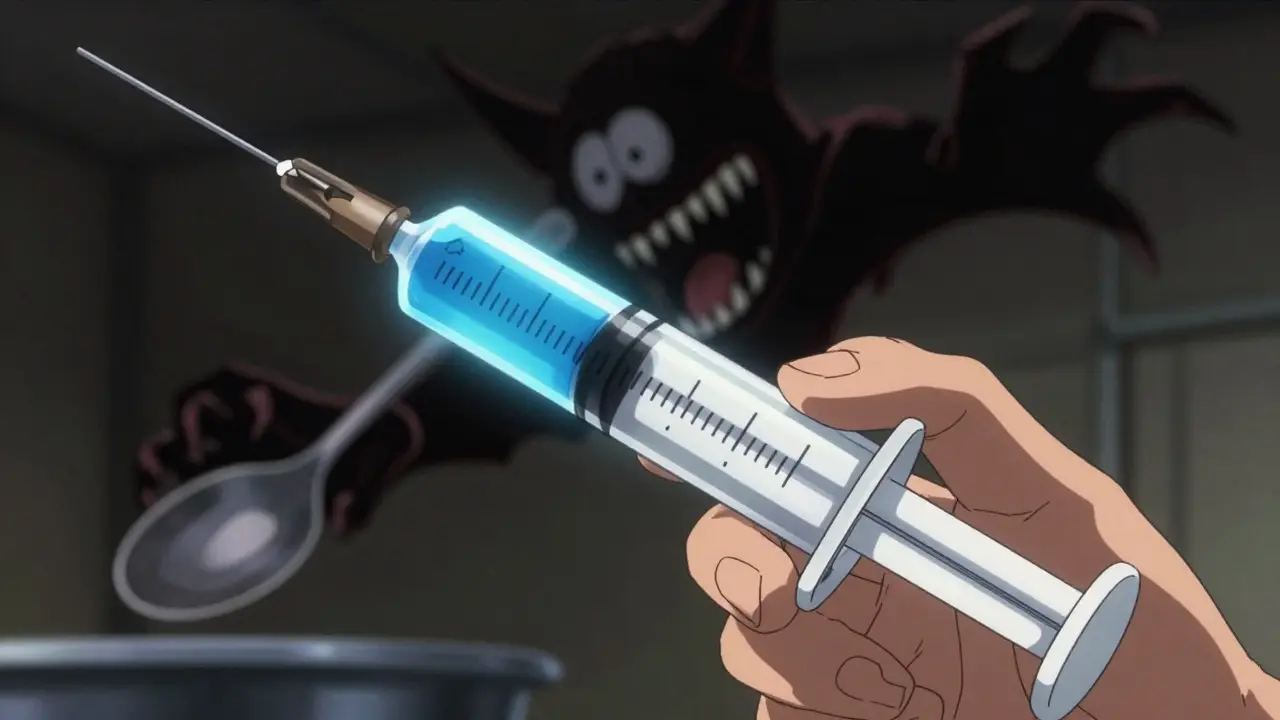
To avoid this, throw away the kitchen spoons. They are never accurate. Instead, use only the measurement device provided with the medication or buy a standard oral syringe marked in milliliters (mL). For infants and toddlers, look for syringes with 0.1mL increments to ensure precision.
| Tool Type | Accuracy Level | Risk Factor | Recommendation |
|---|---|---|---|
| Kitchen Teaspoon | Low (varies widely) | High (up to 50% error) | Never use for medication |
| Cup with Markings | Medium | Medium (meniscus reading errors) | Use only for large volumes (>50mL) |
| Oral Syringe (1-5mL) | High | Low | Best for infants/toddlers |
| Oral Syringe (5-10mL) | High | Low | Best for older children |
Always read the label at eye level. Liquid rises slightly up the sides of the container (the meniscus), so reading from above can lead to under-dosing. Hold the syringe flat and read the bottom of the curve.
Managing Common Side Effects at Home
When your child experiences a mild side effect, specific protocols can help them feel better without stopping necessary treatment.
Gastrointestinal Distress
If your child has an upset stomach or diarrhea from medication, La Touche Pediatrics recommends the BRAT diet: Bananas, Rice, Applesauce, and Toast. These bland foods are easy on the digestive system. For hydration, offer clear liquids in tiny amounts-5mL every 5 minutes. If they vomit, wait 30 to 60 minutes before trying again. This slow reintroduction prevents further vomiting and dehydration.
Hyperactivity or Behavioral Changes
Some medications, particularly antihistamines, can cause unexpected hyperactivity in children. Instead of just noting "they were crazy," document specific behaviors. Write down: "Child ran continuously for 45 minutes without fatigue." This precise data helps your physician decide if the medication needs to be changed or adjusted.
Skin Rashes
Mild rashes can sometimes be managed with cool compresses and keeping the skin clean and dry. However, if the rash spreads rapidly, becomes painful, or is accompanied by fever, stop the medication and contact your doctor immediately. Never ignore a new rash after starting a new drug.
Storage and Safety: Keep It Up and Away
Preventing accidental ingestion is half the battle. The CDC reports 60,000 annual pediatric emergency department visits due to medication errors, with children under five accounting for 72% of these cases. Liquid formulations are involved in 84% of incidents because they smell sweet and are easy to drink.
Follow the "Up and Away" rule advocated by Dr. Arbogast. Store all medications in cabinets at least 1.5 meters (5 feet) high, out of sight and reach. Use locks if necessary. This simple practice reduces accidental ingestions by 65%.
Also, never transfer medication into non-childproof containers. Dr. Lorraine Kelley-Quon’s study of 1,200 emergency cases found that transferring meds to generic bottles increases poisoning incidents by 41%. Always keep medicines in their original packaging, which includes critical expiration dates and dosage information.
Temperature matters too. Eighty-nine percent of pediatric liquid medications require storage between 20-25°C (68-77°F). Many, including most insulin and certain antibiotics, need refrigeration. Check the label. Storing meds in the bathroom cabinet is a bad idea due to humidity fluctuations, which can degrade the drug’s effectiveness.
When to Stop and When to Continue
A common dilemma is whether to stop a medication if side effects appear. For antibiotics, the answer is almost always no. The Children's Healthcare of Atlanta notes that stopping antibiotic courses early leads to treatment failure in 29% of bacterial infections. Completing the full 7-14 day course is crucial to prevent resistant bacteria.
However, if the side effects are severe (like the red flags mentioned earlier), do not hesitate to pause the next dose until you speak with a healthcare provider. For non-essential medications, such as vitamins or mild pain relievers, you may choose to discontinue them if they cause significant discomfort, but always consult your pharmacist or doctor first.
Leveraging Technology and Support
You are not alone in this. Telehealth consultations for medication side effects have surged, making up 47% of pediatric primary care visits recently. This means you can often get expert advice via video call rather than waiting in an ER line.
New tools are also emerging. AI-powered apps like MedTrak Pediatric use barcode scanning to verify dosages, reducing administration errors by 68% in trials. Additionally, the American Academy of Pediatrics now recommends photographing medication labels before administration. This simple verification step decreases wrong-medication errors by 44%. Take a picture of the label, check it against your prescription, and then administer.
Finally, keep the Poison Control number handy: 1-800-222-1222. If you suspect an overdose or accidental ingestion, call them immediately. They provide free, expert guidance 24/7 and can tell you exactly what steps to take before you even leave the house.
What should I do if my child vomits shortly after taking medication?
If your child vomits within 15-20 minutes of taking a dose, you can usually repeat the dose once. If it has been longer than 30 minutes, the medication has likely been absorbed, so do not re-dose without consulting your doctor. Wait 30-60 minutes after vomiting before offering fluids, starting with small sips (5-10mL) of oral rehydration solution every 5 minutes.
Is it safe to crush pills for my child?
Not always. Some medications are designed to release slowly (extended-release) or protect the stomach lining. Crushing them can cause an overdose or irritation. Always ask your pharmacist if a pill can be crushed or mixed with food. If approved, mix it with a small amount of soft food like applesauce, not a full meal, to ensure they get the entire dose.
How long do I need to store leftover antibiotics?
You generally should not store leftover antibiotics. Once opened, liquid antibiotics often expire within 7-14 days, regardless of the printed date on the bottle. Discard any unused portion after the course is finished. Do not save them for future illnesses, as the dosage will likely be different and the medication may have degraded.
Can I give my child adult medication in a smaller dose?
No, never give adult medication to a child unless explicitly instructed by a pediatrician. Adult formulations often contain higher concentrations of active ingredients or additives like alcohol or aspirin, which can be dangerous for children. Dosage for children is based on weight and age, not just a fraction of an adult dose.
What is the best way to teach my child to swallow pills?
Nationwide Children's Hospital recommends a graduated practice technique. Start with small candies like Nerds, progressing to Mini M&Ms over two weeks. Practice with water, teaching them to tilt their head back slightly and swallow with a sip of water. This method achieves an 89% success rate in children aged 8-12 years.


