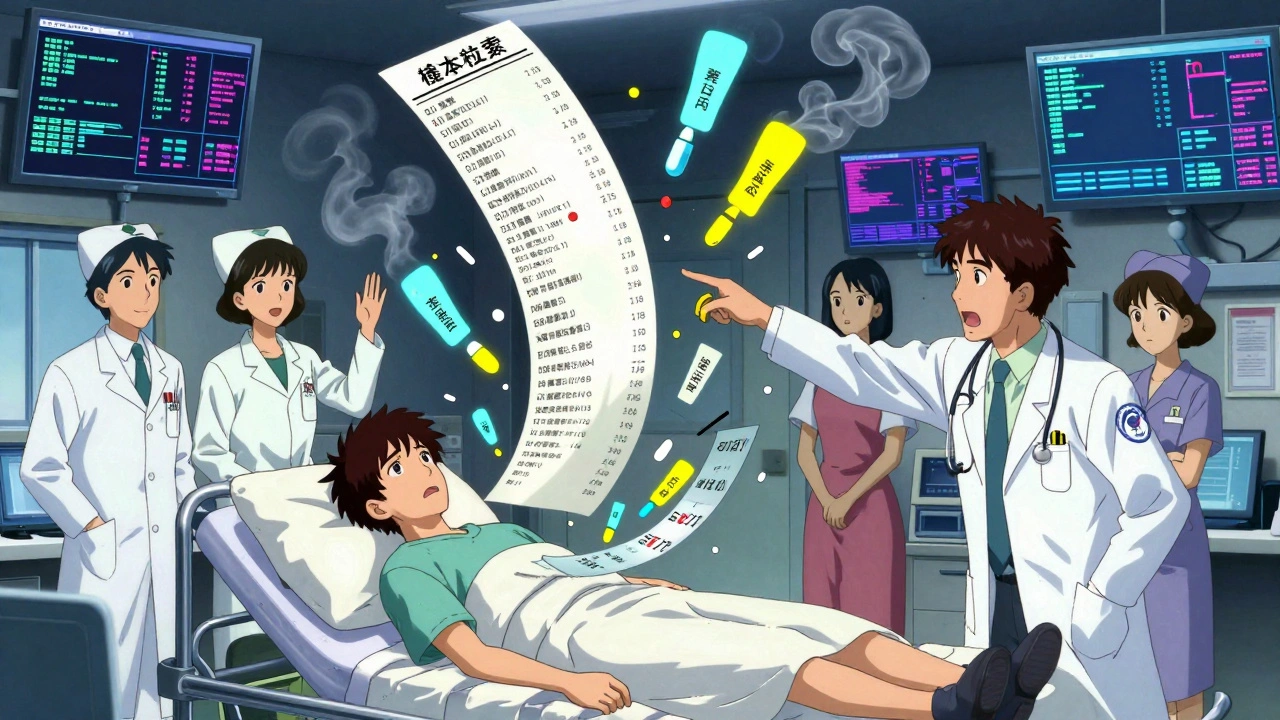

Every year, hundreds of thousands of patients in the U.S. are harmed because their medications don’t get properly tracked when they move from hospital to home, or from one doctor to another. These aren’t rare mistakes-they’re predictable, preventable, and happening far too often. In fact, medication reconciliation is the single most effective tool we have to stop these errors before they hurt someone. Yet, only about 42% of U.S. hospitals do it well. That’s not good enough.
Why Medication Errors Happen During Transitions
When a patient is discharged from the hospital, they’re handed a new list of medications. But here’s the problem: that list often doesn’t match what they were actually taking before they got admitted. Maybe they stopped taking a blood pressure pill because it made them dizzy. Maybe their cousin gave them a leftover antibiotic. Maybe their pharmacy filled a refill they didn’t ask for. None of that gets recorded in the hospital’s system. The result? A patient goes home on a double dose of warfarin because the doctor didn’t know they were already taking it. Or they’re prescribed a new painkiller that interacts dangerously with their heart medication. These aren’t hypotheticals. A 2023 study in the Journal of the American Pharmacists Association found that pharmacist-led medication reconciliation cut post-discharge errors by 57%. That’s more than half of all mistakes avoided-just by making sure the right meds are on the right list. The biggest culprit? Communication gaps. According to Dr. Tejal Gandhi, 78% of medication errors during transitions happen because no one talked to the right person. The ER doctor didn’t check with the primary care physician. The discharge nurse didn’t call the pharmacy. The patient didn’t know to bring their pill bottles.What Medication Reconciliation Actually Means
Medication reconciliation isn’t just copying a list. It’s a four-step process that’s been required by The Joint Commission since 2005:- Get the most accurate list possible of all medications the patient is currently taking-prescription, over-the-counter, vitamins, herbs, even patches and inhalers.
- Create a new list of what the patient should be taking after discharge.
- Compare the two lists side by side.
- Make clear decisions: what to keep, what to stop, what to change, and why.
Technology Helps-But It’s Not a Magic Fix
Most hospitals use electronic health records (EHRs), computerized order entry (CPOE), and barcode scanning. These tools have reduced medication errors by up to 48% in acute care settings, according to a 2022 Cochrane review. But here’s the catch: when a new EHR system is first rolled out, medication discrepancies can actually go up by 18%. Why? Because staff are still learning, workflows are broken, and the system doesn’t talk to outside pharmacies. Only 37% of U.S. hospitals can electronically share medication data with community pharmacies. That means pharmacists often have to call each one manually-68% of them say this is their biggest frustration. And if the patient’s primary care doctor uses a different EHR system? Good luck getting the full picture. Even the best technology fails if it’s not paired with human judgment. A 2022 study in BMJ Quality & Safety found that hospitals using EHRs alone saw only a 41% drop in errors. But when they used the full MATCH toolkit-including clear roles, training, and team-based reconciliation-the drop jumped to 63%.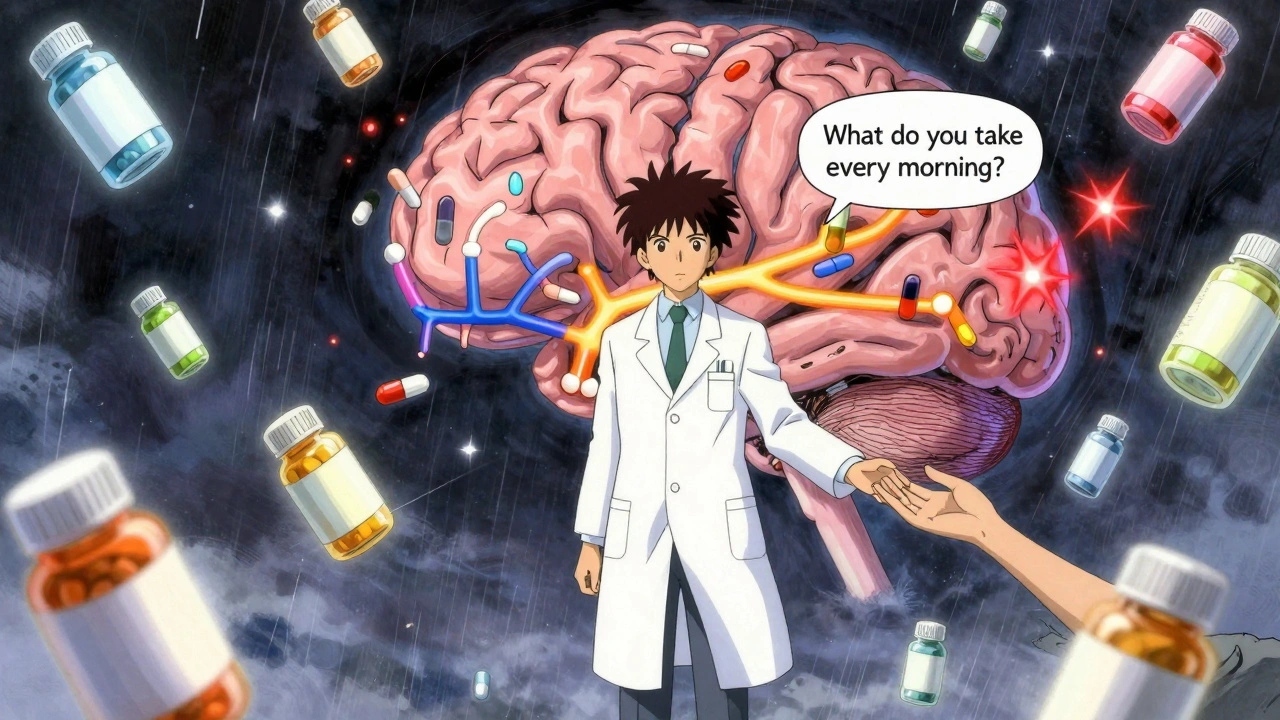
The Role of Pharmacists
You can’t fix medication safety without pharmacists. They’re the only clinicians trained specifically to spot drug interactions, duplicate therapies, and dosing errors. The American Society of Health-System Pharmacists (ASHP) says facilities with dedicated transition pharmacists see 53% fewer adverse drug events. One pharmacist in Wisconsin told me she caught a duplicate anticoagulant order during discharge-two different doctors had prescribed blood thinners without knowing the other had already ordered one. That mistake could have caused a major bleed. She didn’t find it in a computer. She found it by asking the patient: “What pills do you take every morning?” The 2023 ASHP survey found that 89% of pharmacists who do this work feel proud of it. But they’re overwhelmed. In most hospitals, pharmacists are stretched thin. The ideal? One pharmacist dedicated to discharge reconciliation for every 100 patients per day. Few hospitals have that.What Patients Need to Know
Patients are the last line of defense. And yet, only 28% of healthcare facilities consistently involve them in reconciliation. A 2024 Kaiser Family Foundation survey found that 72% of patients don’t understand why their medication list matters during transitions. That’s dangerous. But here’s the good news: when patients are involved, 85% feel more confident about their meds. So what should they do?- Bring a list of all medications-even the ones you stopped.
- Bring the actual pill bottles or photos of labels.
- Ask: “What’s new? What’s changed? Why?”
- Ask for a written discharge summary with clear instructions.
- Call your pharmacy and ask them to check if your new prescriptions match your old ones.
How to Make It Work in Real Life
Implementing real change takes time-and structure. Most hospitals need 6 to 9 months to get a solid program going. Here’s what actually works:- Assign clear roles. Who gets the medication history? Who compares the lists? Who documents the changes? MARQUIS study data shows defining roles cuts harmful errors by 27%.
- Dedicate staff to discharge reconciliation. One nurse or pharmacist focused only on this task reduces errors by 34%.
- Train everyone-not just nurses. Doctors, aides, and even front desk staff need to know why this matters.
- Use the MATCH toolkit. It’s free, comprehensive, and built by experts who’ve seen what fails.
- Give staff enough time. The ideal is 15-20 minutes per patient. Most hospitals get 8-10. That’s not enough.
What’s Changing in 2025
The National Patient Safety Goals, updated in December 2024, now require verification of high-risk medications using at least two independent sources. That means you can’t just rely on the EHR or the patient’s word. You need both. The WHO’s Phase 2 of Medication Without Harm, launched in October 2024, sets a new global target: reduce medication-related harm by 30% in high-risk transitions by 2027. And new AI tools like MedWise Transition-cleared by the FDA in August 2024-are showing promise. In a pilot across 12 hospitals, it cut discrepancies by 41% by flagging mismatches in real time. Regulatory pressure is growing too. CMS can reduce hospital payments by up to 1.5% for non-compliance with medication reconciliation standards. That’s real money.What You Can Do Today
Whether you’re a clinician, a patient, or a family member, here’s what matters now:- If you’re a provider: Start with one step. Pick one transition point-discharge-and make sure someone checks the medication list against the patient’s own list. No EHR needed.
- If you’re a patient: Don’t assume your meds are right. Ask for a written discharge summary. Compare it to your pill bottles.
- If you’re a caregiver: Go with the patient to discharge. Take notes. Ask questions. Don’t let them rush you out the door.
What is medication reconciliation?
Medication reconciliation is the process of creating the most accurate list possible of all medications a patient is taking, then comparing it to new orders to identify and fix discrepancies. It’s done at every transition-admission, transfer, and discharge-to prevent errors like duplicate doses, missed medications, or harmful interactions.
Why do medication errors happen during discharge?
Errors happen because information gets lost between providers. The hospital may not know what meds the patient was taking at home, or the patient’s doctor may not get the updated list after discharge. Patients often forget or misremember their meds, and pharmacies don’t always share data with hospitals. Without a structured process to compare lists, mistakes slip through.
Can electronic health records (EHRs) prevent medication errors?
EHRs help reduce errors by up to 48% in hospitals with good workflows. But they’re not foolproof. During new system rollouts, errors can actually increase by 18% due to training gaps and poor integration. EHRs also rarely connect with community pharmacies, so pharmacists often have to call manually. Technology works best when paired with trained staff and clear processes.
How do pharmacists reduce medication errors?
Pharmacists are trained to spot drug interactions, duplications, and incorrect dosing. When they lead medication reconciliation, post-discharge errors drop by 57%, and hospital readmissions fall by 38% within 30 days. They also verify prescriptions with patients and pharmacies, and document changes clearly. Facilities with dedicated transition pharmacists see 53% fewer adverse drug events.
What should patients do to avoid medication errors?
Patients should bring a complete list of all medications-including over-the-counter drugs, vitamins, and herbs-along with the actual pill bottles. Ask: “What’s new? What’s changed? Why?” Get a written discharge summary. Check your pharmacy’s list against the hospital’s. If something doesn’t match, ask questions. You’re the only one who knows your full medication history.
Are there new tools or technologies helping with medication safety?
Yes. AI-powered tools like MedWise Transition, cleared by the FDA in August 2024, analyze medication lists in real time and flag potential errors. In pilot programs, they reduced discrepancies by 41%. New guidelines from ISMP and the WHO also push for verification using two independent sources for high-risk drugs. But no tool replaces human judgment-especially when patients are involved.


