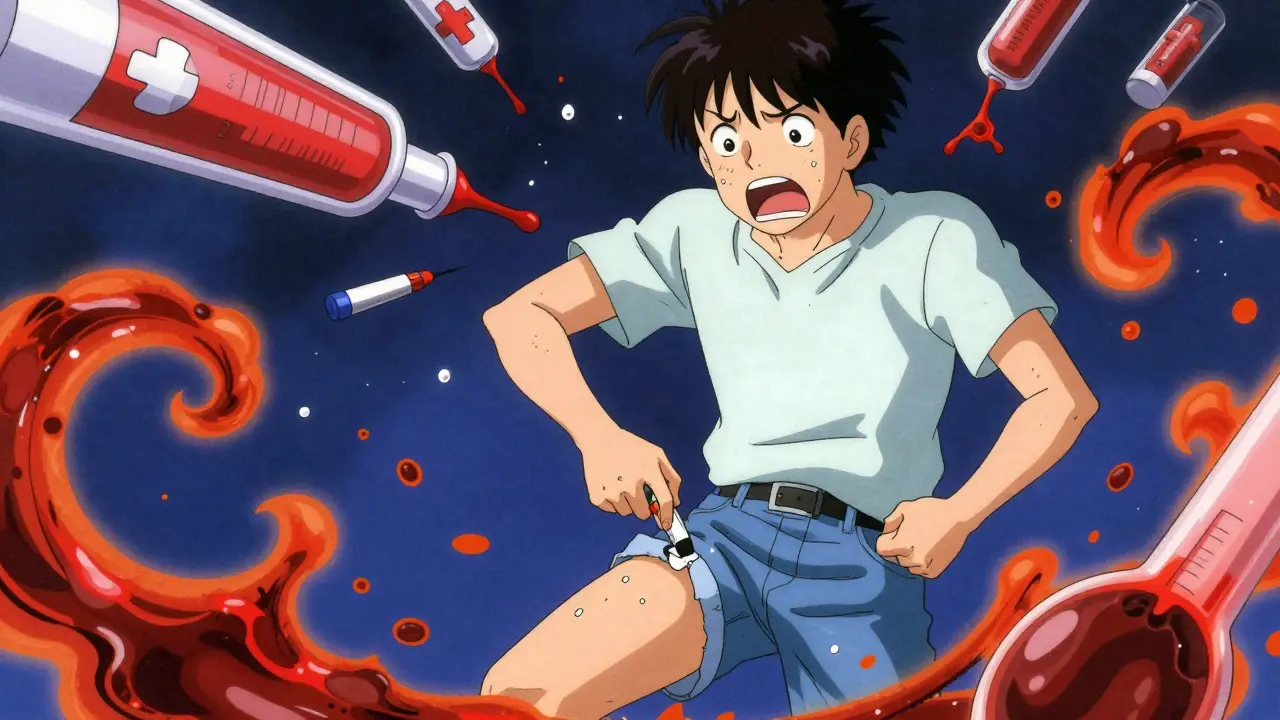

When someone is having an anaphylactic reaction, every second counts. Anaphylaxis can turn deadly in under 10 minutes. The only thing that can stop it? Epinephrine. And if you’re carrying an auto-injector - whether it’s an EpiPen, Auvi-Q, or Adrenaclick - you need to know exactly how to use it. Not just know it. Use it. Because hesitation kills.
What Happens During an Anaphylactic Reaction
Anaphylaxis isn’t just a bad allergy. It’s your body going into full survival mode - and it’s losing. Your airways swell. Your blood pressure crashes. Your heart races, then falters. You might break out in hives, feel dizzy, vomit, or struggle to breathe. Sometimes, the first sign is a feeling of impending doom. That’s not panic. That’s your body screaming for help. Epinephrine is the only medicine that reverses this. It tightens blood vessels to bring your pressure back up. It opens your airways so you can breathe. It slows down the allergic cascade before it shuts you down. Without it, the risk of death rises by 1-2% every minute. With it, your chances of surviving jump by 75%.Which Auto-Injector Do You Have?
There are four main devices on the market. Each works differently, and knowing yours matters.- EpiPen - The most common. You pull the blue safety cap, jab it into the outer thigh, and hold for 3 seconds. It’s loud, it’s simple, and 85% of people in the U.S. use it.
- Auvi-Q - Smaller, with voice instructions. It tells you when to inject, when to hold, and when to remove it. Great if you’re panicking and can’t read.
- Adrenaclick - Cheaper, but you have to remove two caps and press a plunger manually. Takes longer. More steps. More room for error.
- Neffy - The new nasal spray. No needle. But you have to spray it deep into one nostril and breathe in. If you don’t do it right, it won’t work.
Step-by-Step: How to Use Your Auto-Injector
These steps work for EpiPen, Auvi-Q, and Adrenaclick. Neffy is different - we’ll cover it separately.- Recognize the signs. Hives? Swelling of lips or tongue? Trouble breathing? Dizziness? Nausea? Feeling like you’re going to pass out? That’s anaphylaxis. Don’t wait for all symptoms. Don’t wait to see if it gets worse. Act now.
- Call 911. Right away. Even if you give epinephrine, you still need emergency care. The reaction can come back - called a biphasic reaction - and it’s more dangerous the second time.
- Remove the safety cap. For EpiPen and Adrenaclick, that’s the blue cap. For Auvi-Q, it’s the red end. Don’t hesitate. Don’t worry about stabbing yourself. The needle is designed to go through clothing. Jeans, leggings, even thick sweatpants - it doesn’t matter.
- Place the injector against the outer thigh. Not the arm. Not the stomach. Not the buttocks. The outer thigh. That’s where the muscle is thickest and blood flow is fastest. You can inject through clothes. No need to pull pants down.
- Push hard until you hear a click. This activates the needle. Hold it firmly against the thigh for 3 full seconds. For EpiPen and Adrenaclick, that’s it. For Auvi-Q, the voice will tell you to hold. Don’t rush. Don’t pull away early. The medicine needs those 3 seconds to fully deliver.
- Remove the injector and massage the area. Rub the injection site for 10 seconds. This helps the medicine absorb faster.
- Call 911 again if you haven’t. And tell them you gave epinephrine. They’ll need to know.
- Stay lying down. Don’t stand up. Don’t walk. Even if you feel better. Lying flat with legs outstretched helps blood return to your heart. Standing could cause you to faint and fall.
What If You’re Giving It to a Child?
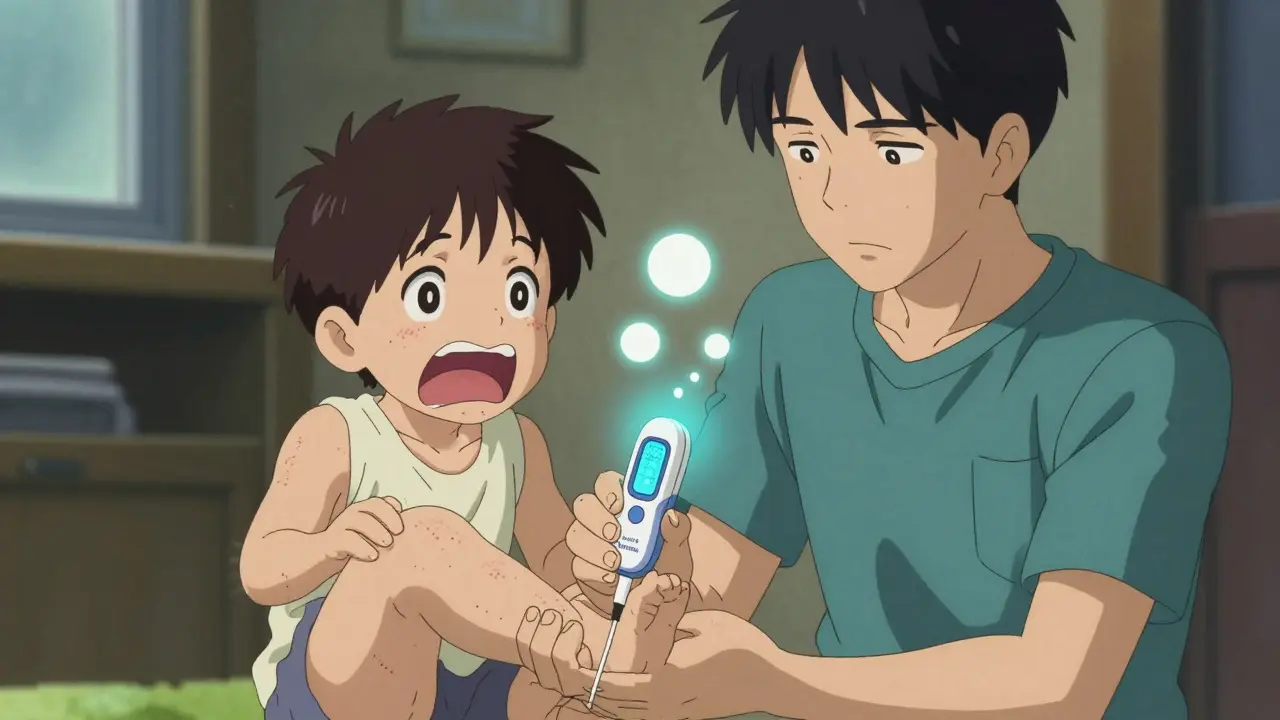
Kids need the same steps - but with more control.- Use the 0.15mg injector if they weigh under 66 pounds. Use 0.3mg if they weigh more.
- Hold their leg still. Use both hands if you have to. Don’t let them kick or move during injection.
- Some kids are scared of needles. If they’re screaming, don’t wait. Give the shot anyway. Their fear is temporary. Death isn’t.
- After the shot, keep them lying down. Hold them. Talk to them calmly. Reassure them you’re there.
What About Neffy? The Needle-Free Option
Neffy is new. It’s a nasal spray approved in 2023. It’s easier for people who hate needles. But it’s not foolproof.- Remove the cap.
- Place the nozzle into one nostril.
- Press the plunger firmly while breathing in gently through your nose.
- Don’t sniff hard. Don’t blow your nose afterward.
- Wait 5 minutes. If symptoms don’t improve, give a second dose.
What If You Give It Too Early?
Some people wait to see if it’s "just a rash." Don’t. Epinephrine’s side effects - rapid heartbeat, shaking, anxiety - are scary, but they last less than 30 minutes. Untreated anaphylaxis? That’s permanent. A 2023 study showed that delaying epinephrine for antihistamines or inhalers increases the risk of a second, more severe reaction by 300%. Antihistamines don’t stop anaphylaxis. They only help with itching. Epinephrine is the only thing that saves lives.What If You Accidentally Inject Yourself?
Yes, it happens. People drop the injector. Kids grab it. The orange tip on EpiPens is notorious for accidental activation. If you inject yourself in the finger or hand, go to the ER. That’s not the right place. You could lose tissue. But don’t panic. Call 911. Tell them you injected epinephrine into your hand. They’ll know what to do.
Storage and Expiration
Epinephrine breaks down in heat and light. Don’t leave it in your car. Don’t keep it in a hot bathroom. Don’t put it in the freezer.- Store between 59°F and 86°F.
- Keep it in its original case.
- Check the expiration date every month. Replace it 3 months before it expires.
- If the liquid turns brown or has particles, toss it. Don’t wait.
Training Matters
Most people who use epinephrine auto-injectors have never practiced with a trainer device. That’s dangerous.- Practice every 6 months with a trainer (the one that doesn’t have medicine).
- Teach your family, coworkers, teachers - anyone who might be around when you react.
- Ask your doctor for a training session. Many clinics offer them for free.
- Watch the official videos from EpiPen or Auvi-Q. They’re on YouTube.
What to Do After the Injection
You gave the shot. You called 911. You’re lying down. Now what?- Stay still. Even if you feel fine.
- Keep the used injector with you. Paramedics will want to see it.
- Be ready to give a second dose. If symptoms come back - breathing trouble, swelling, dizziness - give another shot after 5-10 minutes.
- Don’t drive yourself to the hospital. Wait for EMS. Your blood pressure could drop again.
Why So Many People Don’t Use It - And How to Avoid That
In real emergencies, only 42% of people get epinephrine on time. Why?- They think it’s "just a rash."
- They’re afraid of needles.
- They don’t know how to use it.
- They’re waiting for someone else to act.
Epinephrine auto-injectors aren’t optional. They’re your lifeline. And if you’re the one holding it - you’re the one who has to act. No waiting. No doubt. No hesitation.
What should I do if I accidentally inject myself with an epinephrine auto-injector?
If you inject yourself in the hand, finger, or foot, call 911 immediately. Epinephrine in small blood vessels can cause tissue damage. Go to the emergency room even if you feel fine. Do not try to remove the injector yourself. Paramedics will safely remove it and monitor you for complications.
Can I use an epinephrine auto-injector through clothing?
Yes. All approved auto-injectors are designed to work through clothing, including jeans, sweatpants, and even thick winter coats. Do not waste time removing pants. Push the injector firmly against the outer thigh and activate it. The needle penetrates fabric easily.
How long does epinephrine last in the body?
Epinephrine starts working in seconds and peaks within 5-10 minutes. Its effects last about 10-20 minutes. That’s why you need to call 911 immediately - the reaction can return after the drug wears off. A second dose may be needed if symptoms come back.
Is it safe to use an expired epinephrine auto-injector?
If it’s your only option during a life-threatening reaction, use it. Expired epinephrine may be less potent, but it’s better than nothing. However, always replace it before it expires. The FDA allows emergency use of expired devices in crises, but you should never rely on them. Replace your injector every 18 months or as directed.
Can I use someone else’s epinephrine auto-injector?
Yes. If someone is having anaphylaxis and you have an auto-injector - even if it’s not their prescription - use it. Epinephrine is safe for most people. The risk of giving it to someone who doesn’t need it is far lower than the risk of not giving it to someone who does. Always call 911 after.
Why do I need to lie down after using epinephrine?
Lying flat with legs extended helps blood return to your heart and brain. Standing or walking can cause your blood pressure to drop suddenly, leading to fainting or a fall. Even if you feel better, stay lying down until emergency help arrives.
How do I know if I need a second dose?
If symptoms return - such as difficulty breathing, swelling, dizziness, or a drop in blood pressure - give a second dose 5 to 10 minutes after the first. Don’t wait. Don’t hope it’ll get better. Anaphylaxis can worsen quickly. Always carry two injectors.


