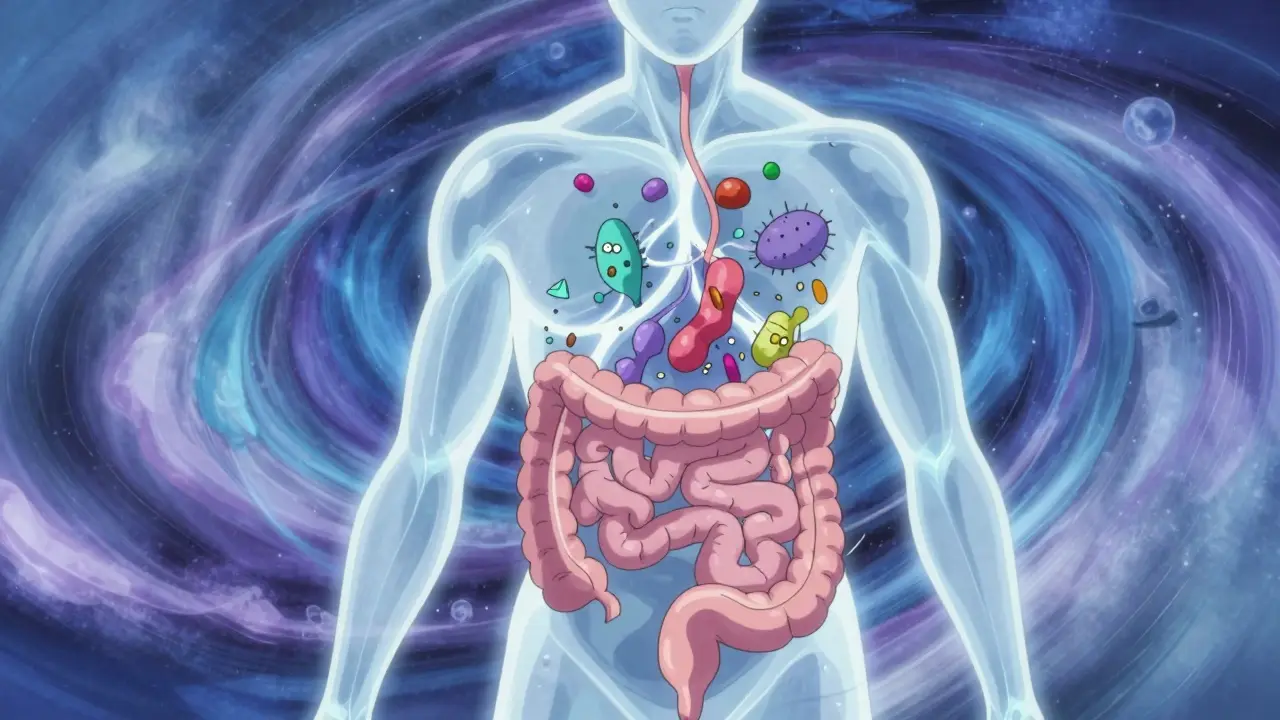

Living with irritable bowel syndrome (IBS) often feels like playing a guessing game with your own body. One day you eat an apple and feel fine; the next day, that same fruit sends you running to the bathroom or leaves you bloated for hours. If you have tried everything from antacids to stress-reduction techniques without lasting relief, the issue might not be what you are avoiding, but what you are eating. Dietary changes remain one of the most effective tools for managing IBS, yet the sheer number of options can be overwhelming. You hear about the low-FODMAP diet, the low-residue plan, and general elimination strategies. Each promises relief, but they work in very different ways. Understanding these differences is the key to finding a sustainable path toward digestive comfort.
Understanding the Core Problem: Fermentable Carbs vs. Fiber
To choose the right diet, you first need to understand what triggers your symptoms. IBS is a disorder of gut-brain interaction, meaning your intestines react more strongly than usual to certain stimuli. For many people, those stimuli are specific types of carbohydrates. The human small intestine struggles to absorb short-chain carbohydrates known as FODMAPs (Fermentable Oligosaccharides, Disaccharides, Monosaccharides, And Polyols). When these carbs reach the large intestine intact, bacteria ferment them rapidly. This process produces gas and draws water into the bowel, leading to bloating, pain, diarrhea, or constipation.
In contrast, fiber acts differently. While fiber is generally healthy, it adds bulk to stool and speeds up transit time. For someone with severe inflammation or active diarrhea, this extra bulk can irritate the lining further. This distinction is crucial because it determines which diet will help you. If your main issue is gas and bloating from fermentation, you likely need to manage FODMAPs. If your gut is physically irritated and you have frequent loose stools, you might need to reduce residue (fiber) temporarily.
What exactly are FODMAPs?
FODMAPs are short-chain carbohydrates found in many common foods, including wheat, dairy, beans, and certain fruits like apples and pears. They are poorly absorbed in the small intestine, leading to fermentation by gut bacteria, which causes gas and bloating in sensitive individuals.
The Gold Standard: The Low-FODMAP Diet Protocol
Developed by researchers at Monash University in Australia, the low-FODMAP diet is currently considered the gold standard for dietary management of IBS. It is not just a list of forbidden foods; it is a structured three-phase clinical protocol designed to identify your specific triggers. Unlike generic advice to "eat less sugar," this approach uses precise scientific measurements to test tolerance levels.
Phase 1: Elimination (2-6 Weeks)
During this initial phase, you strictly avoid all high-FODMAP foods. This includes wheat, rye, onions, garlic, legumes, lactose-containing dairy, and high-fructose fruits like mangoes and watermelon. The goal is to create a "baseline" where symptoms significantly improve. Most patients see a reduction in abdominal pain and bloating within the first two weeks. However, this phase is temporary. Staying here long-term can harm your gut microbiome by starving beneficial bacteria that feed on these fibers.
Phase 2: Reintroduction (8-12 Weeks)
This is the most critical step that most people skip. You systematically reintroduce one group of FODMAPs at a time-for example, testing fructans (found in wheat and garlic) while keeping others low. You consume standardized doses to see if symptoms return. This tells you exactly which carbs trigger your IBS. For instance, you might tolerate lactose but react violently to polyols found in stone fruits and sweeteners like sorbitol.
Phase 3: Personalization (Long-Term)
Based on your results, you create a personalized diet. Most people can reintroduce 50-80% of the foods they eliminated in Phase 1. This ensures you maintain a diverse, nutrient-rich diet while avoiding only the specific triggers that cause you distress. Studies show that up to 75-80% of IBS patients experience significant symptom improvement when following this full protocol correctly.
When to Choose a Low-Residue Diet Instead
If the FODMAP diet sounds too complex, or if your primary symptom is severe diarrhea rather than bloating, a low-residue diet might be a better starting point. Also known as a low-fiber diet, this approach limits insoluble fiber to reduce the volume and frequency of bowel movements. It has been used since the 1940s, primarily for bowel preparation before surgery or during flare-ups of inflammatory bowel disease (IBD), but it also helps some IBS patients.
A strict low-residue diet typically restricts daily fiber intake to 10-15 grams, compared to the recommended 25-38 grams for healthy adults. You must avoid raw fruits and vegetables, nuts, seeds, whole grains, and skins of potatoes or tomatoes. Instead, you focus on refined grains like white bread and white rice, well-cooked peeled vegetables, and lean proteins. Dairy is usually limited to lactose-free options to prevent additional irritation.
This diet works by giving your digestive tract a physical rest. With less undigested material passing through, there is less friction against the intestinal walls. However, it is important to view this as a short-term solution. Long-term use can lead to nutrient deficiencies, particularly in folate and calcium, and may worsen constipation once you stop. It is rarely suitable for those with IBS-C (constipation-predominant) because reducing fiber further slows down an already sluggish system.

General Elimination Diets: A Broader Approach
Before the FODMAP diet gained popularity, general elimination diets were the go-to strategy for identifying food sensitivities. These plans involve removing common allergens or irritants-such as gluten, dairy, caffeine, and artificial sweeteners-for two to four weeks. Afterward, you reintroduce them one by one to observe reactions.
The advantage of a general elimination diet is its simplicity and lower cost. You do not need specialized apps or expensive testing kits. It is particularly useful if you suspect non-carbohydrate triggers, such as histamine intolerance or sensitivity to fatty foods, which the FODMAP diet does not address. However, it lacks precision. Without standardized dosing, it is easy to misinterpret results. For example, you might blame gluten when the real culprit was the high fructan content in the wheat itself. Research suggests that only about 30% of patients using unguided elimination diets correctly identify their true triggers, leading to unnecessary lifelong restrictions.
Comparing the Three Approaches
Choosing between these diets depends on your specific symptoms, resources, and lifestyle. Below is a comparison to help you decide which path aligns best with your needs.
| Feature | Low-FODMAP Diet | Low-Residue Diet | General Elimination Diet |
|---|---|---|---|
| Primary Goal | Identify specific carbohydrate triggers | Reduce stool volume and bowel movement frequency | Identify broad food sensitivities/allergies |
| Best For | Bloating, gas, mixed IBS symptoms | Severe diarrhea, acute flare-ups | Suspected non-carb triggers (e.g., dairy, gluten allergy) |
| Duration | 3-6 months (structured phases) | Short-term (days to weeks) | 2-4 weeks elimination + reintroduction |
| Complexity | High (requires tracking, specific portions) | Medium (simple food swaps) | Low to Medium (depends on number of foods removed) |
| Nutritional Risk | Moderate (if not personalized later) | High (long-term fiber deficiency) | Variable (depends on foods eliminated) |
| Success Rate | 75-80% symptom improvement | ~45% for diarrhea control | 40-50% accurate trigger identification |

Practical Steps to Start Your Plan
Starting any restrictive diet can feel daunting, especially when social events and family meals are involved. Here is how to begin safely and effectively.
- Consult a Professional: Before eliminating major food groups, talk to a gastroenterologist or registered dietitian. They can rule out other conditions like celiac disease or inflammatory bowel disease, which require different treatments. Self-diagnosing can delay proper care.
- Choose Your Tool: For the FODMAP diet, download the Monash FODMAP app. It provides verified information on food servings and barcode scanning capabilities. For low-residue or elimination diets, keep a simple food and symptom diary. Record what you ate, portion sizes, and any symptoms within 24 hours.
- Plan Your Meals: Do not wing it. Spend an hour each week planning meals that fit your chosen protocol. Stock up on safe staples like rice, oats, bananas, carrots, chicken, and olive oil. Reading labels becomes second nature; watch out for hidden triggers like honey, agave syrup, and inulin.
- Prepare for Social Situations: Dining out is challenging. Call ahead to ask about ingredients. At restaurants, stick to simple dishes like grilled fish with steamed zucchini. Carry a card explaining your dietary needs if necessary. Remember, most friends and family will support you if you explain that this is medical, not cosmetic.
- Track Progress Objectively: Use a scale of 1-10 to rate your pain, bloating, and bowel regularity. Emotional state matters too, as stress exacerbates IBS. If you do not see improvement after 4-6 weeks on a strict protocol, reconsider your diagnosis or seek professional guidance.
Pitfalls to Avoid
Even the best diets fail if implemented incorrectly. One common mistake is staying in the elimination phase indefinitely. The low-FODMAP diet is designed as a diagnostic tool, not a permanent lifestyle. Prolonged restriction reduces microbial diversity in your gut, potentially making you more sensitive over time. Another error is skipping the reintroduction phase entirely. Without testing, you may continue to avoid foods you actually tolerate, limiting your nutritional intake unnecessarily.
Also, beware of "low-FODMAP" claims on packaged goods that lack certification. Not all products labeled as such meet the strict standards set by Monash University. Always verify with trusted sources. Finally, do not ignore mental health. Food anxiety is real. If you find yourself obsessing over every bite or avoiding social gatherings due to fear of symptoms, speak to a therapist specializing in health psychology. Managing IBS is as much about mindset as it is about menu planning.
Looking Ahead: Personalized Nutrition
The future of IBS management lies in personalization. Researchers are currently studying biomarkers that could predict who will respond to the FODMAP diet before they even start. Microbiome analysis may soon allow us to tailor diets based on individual bacterial profiles, moving beyond one-size-fits-all protocols. Until then, the combination of evidence-based diets, professional support, and mindful eating remains the most reliable path to relief. By understanding the mechanics of your gut and choosing the right dietary strategy, you can take back control of your life and enjoy food without fear.
Can I do the FODMAP diet alone without a dietitian?
While possible, it is highly recommended to work with a dietitian. Studies show that patients with professional guidance have higher compliance rates and better outcomes. The reintroduction phase is complex and easy to mess up without expert oversight, which can lead to confusion and frustration.
How long should I stay on a low-residue diet?
A low-residue diet should generally be short-term, lasting no more than a few weeks. It is intended for acute flare-ups or severe diarrhea. Long-term use can lead to nutrient deficiencies and negatively impact gut health. Once symptoms stabilize, gradually reintroduce fiber under medical supervision.
Does the FODMAP diet cure IBS?
No, the FODMAP diet does not cure IBS. It is a management tool that helps identify and avoid trigger foods, thereby reducing symptoms. IBS is a chronic condition, so ongoing monitoring and occasional dietary adjustments may be needed as your tolerance levels can change over time.
What are the safest high-FODMAP foods to reintroduce first?
Start with single-food tests. Common first choices include a slice of white bread with jam (for fructans), a glass of milk (for lactose), or a pear (for excess fructose/polyols). Introduce only one new food group every few days to accurately assess your reaction.
Is the low-FODMAP diet safe for children?
Yes, but it must be supervised by a pediatric dietitian. Children have higher nutritional needs for growth, and restrictive diets can impact development. The protocol is similar but requires careful attention to calorie and nutrient density to ensure the child thrives.