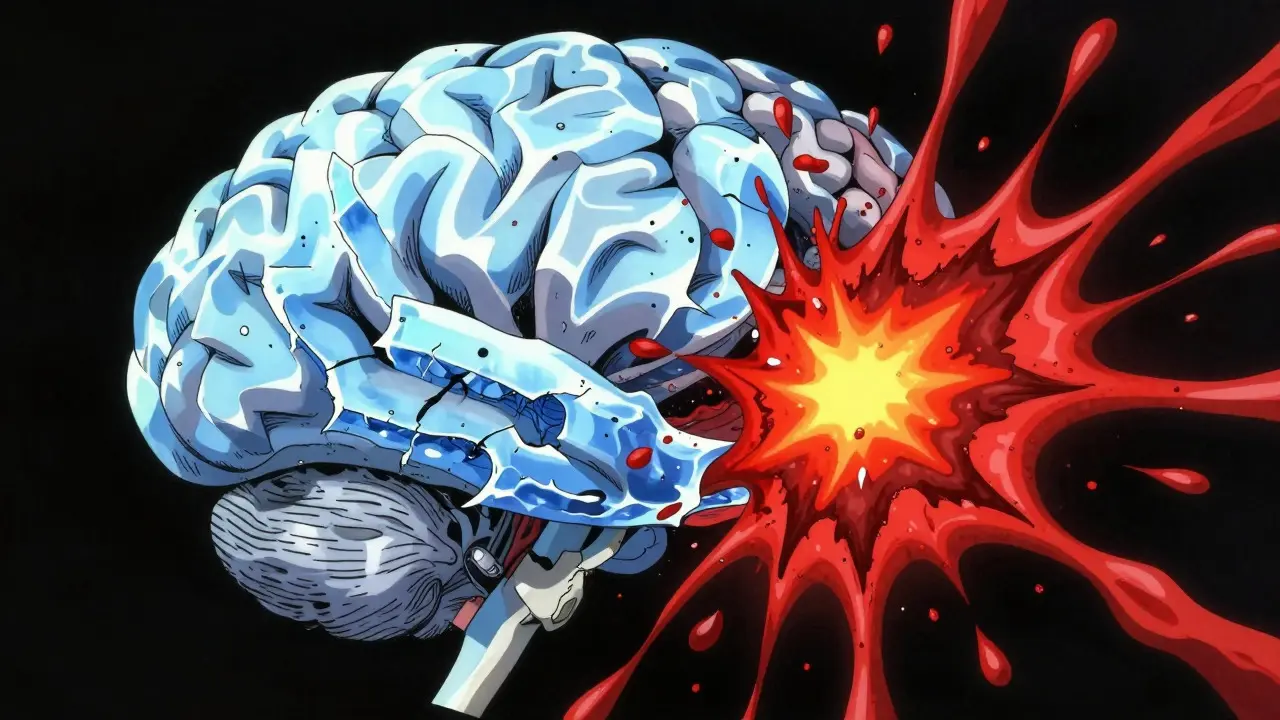

A sudden headache. A drooping face. An arm that won't lift. These aren't just bad days; they are signs of a stroke, which is a medical emergency where blood flow to the brain is interrupted or a blood vessel in the brain bursts. But here is the catch: not all strokes are the same. Treating one type like the other can be fatal. Knowing the difference between an ischemic stroke and a hemorrhagic stroke isn't just medical trivia-it’s the key to getting the right treatment fast.
Quick Summary / Key Takeaways
- Ischemic strokes (87% of cases) are caused by blockages. They need clot-busting drugs or surgery to remove the clot.
- Hemorrhagic strokes (13-15% of cases) are caused by bleeding. Clot-busters make them worse; surgery or pressure control is needed.
- Symptoms differ: Ischemic strokes often build up gradually. Hemorrhagic strokes hit suddenly with severe headaches, vomiting, or seizures.
- Prevention varies: Control cholesterol and atrial fibrillation for ischemic risk. Manage high blood pressure strictly for hemorrhagic risk.
- Time matters: Call emergency services immediately. Use the FAST test (Face, Arms, Speech, Time).
The Two Main Types of Strokes Explained
To understand why treatment differs, you have to look at what happens inside the skull. Think of your brain as a garden. It needs water (blood) to survive. In an ischemic stroke, the hose gets kinked or clogged. In a hemorrhagic stroke, the hose bursts.
An ischemic stroke is caused by a blockage in a blood vessel supplying blood to the brain. This accounts for about 87% of all stroke cases. The blockage is usually a blood clot. Without oxygen-rich blood, brain cells begin to die within minutes. There are two main subtypes here:
- Thrombotic stroke: A clot forms directly inside one of the arteries feeding the brain. This is often due to plaque buildup (atherosclerosis).
- Embolic stroke: A clot forms elsewhere in the body-often the heart-and travels through the bloodstream until it lodges in a narrower brain artery. This is common in people with atrial fibrillation.
On the other end of the spectrum is the hemorrhagic stroke is caused by a ruptured blood vessel that leaks blood into or around the brain. This makes up 13-15% of cases but has a higher mortality rate. The bleeding puts pressure on the brain tissue, damaging cells. This also splits into two types:
- Intracerebral hemorrhage: A vessel bursts inside the brain tissue itself. High blood pressure is the biggest culprit here.
- Subarachnoid hemorrhage: Bleeding occurs on the surface of the brain, often from a burst aneurysm. This typically causes a sudden, excruciating headache.
Spotting the Difference: Symptoms and Onset
You might think all strokes feel the same. They don't. While both share classic warning signs like weakness on one side of the body, the speed and accompanying symptoms can give you a clue about what's happening.
Ischemic strokes tend to develop more gradually. Patients often describe numbness spreading over 15 to 20 minutes. Speech might become slurred slowly. Because the brain is starving for oxygen rather than being compressed by blood, the onset can be deceptive. Many people mistake these early signs for fatigue or a migraine, losing precious time.
Hemorrhagic strokes, however, are violent. They happen instantly. According to patient data analyzed by Healthline, nearly 93% of hemorrhagic stroke patients report a severe headache. It’s often described as "the worst headache of my life." Other red flags include:
- Sudden loss of consciousness
- Vomiting
- Seizures
- Stiff neck
- Dilated or unequal pupils
If someone collapses and screams in pain before going limp, suspect bleeding. If they slowly lose the ability to speak or move one arm, suspect a blockage. Regardless, the action is the same: call emergency services immediately.
| Feature | Ischemic Stroke | Hemorrhagic Stroke |
|---|---|---|
| Cause | Blood clot blocks vessel | Blood vessel ruptures |
| Frequency | 87% of cases | 13-15% of cases |
| Onset | Can be gradual (minutes to hours) | Sudden and dramatic |
| Key Symptom | Weakness, numbness, speech issues | Severe headache, vomiting, confusion |
| Treatment | Clot-busters (tPA), Thrombectomy | Surgery (clipping/coiling), Pressure control |
| Main Risk Factor | Atrial Fibrillation, Cholesterol | High Blood Pressure, Aneurysms |
Why Diagnosis Speed Saves Brains
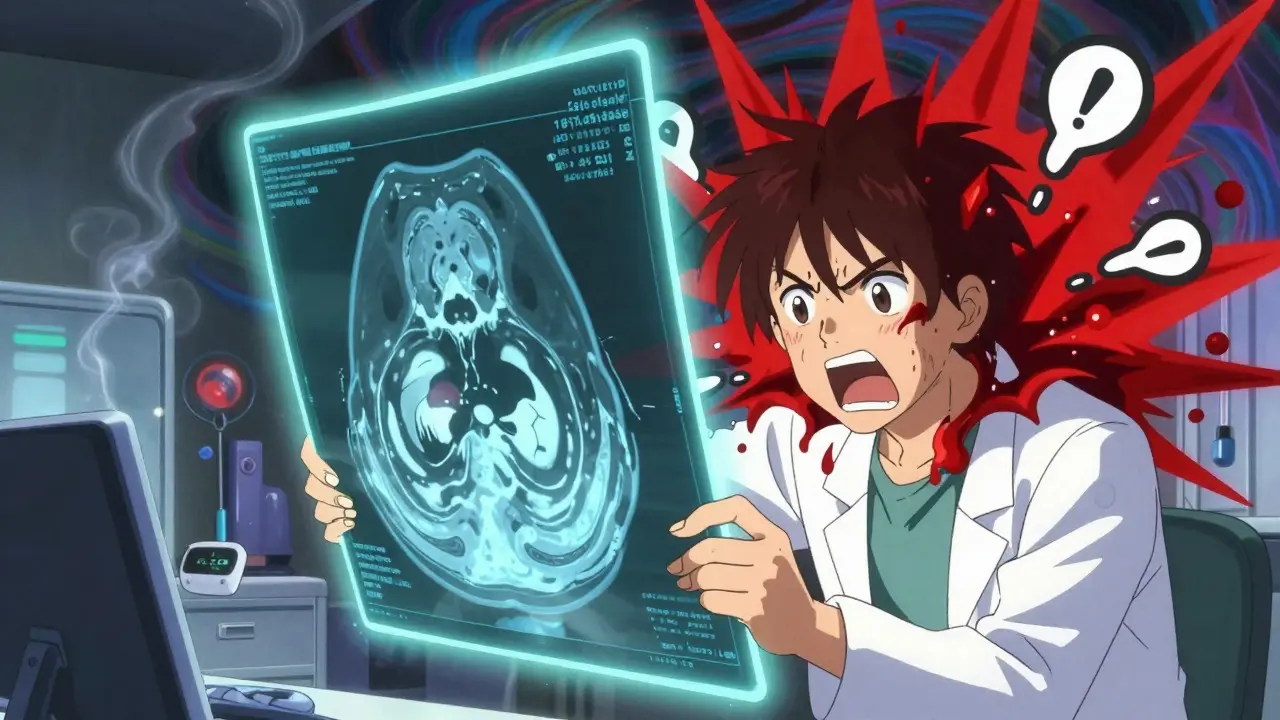
When you arrive at the hospital, doctors don't guess. They scan. A non-contrast CT scan is the gold standard because it takes seconds and clearly shows if there is blood in the brain. This distinction is critical because the treatments are opposites.
For an ischemic stroke, time is literally brain tissue. If treated within 3 to 4.5 hours, doctors can administer thrombolytic medications like tPA (alteplase) or tenecteplase. These drugs dissolve the clot, restoring blood flow. For larger clots, a procedure called mechanical thrombectomy can physically remove the blockage, sometimes up to 24 hours after symptom onset.
But if you give tPA to someone having a hemorrhagic stroke, you are pouring gasoline on a fire. The medication prevents clotting, which means the bleeding won't stop, leading to rapid deterioration and potentially death. That is why the CT scan must happen before any drug is given.
For hemorrhagic strokes, the goal is to stop the bleeding and reduce pressure on the brain. This might involve surgery to clip an aneurysm or coil it shut from inside the artery. Medications are used to lower blood pressure and prevent seizures.
Prevention Strategies: Tailored to the Type
Preventing a stroke isn't one-size-fits-all. Since the causes differ, your prevention plan should target the specific risks you face.
Stopping Ischemic Strokes
If you are at risk for blockages, focus on your heart and blood vessels. Atrial fibrillation (AFib) is a major driver of embolic strokes. If you have AFib, anticoagulants like apixaban or warfarin can reduce your stroke risk by 60-70%. Don't skip these pills.
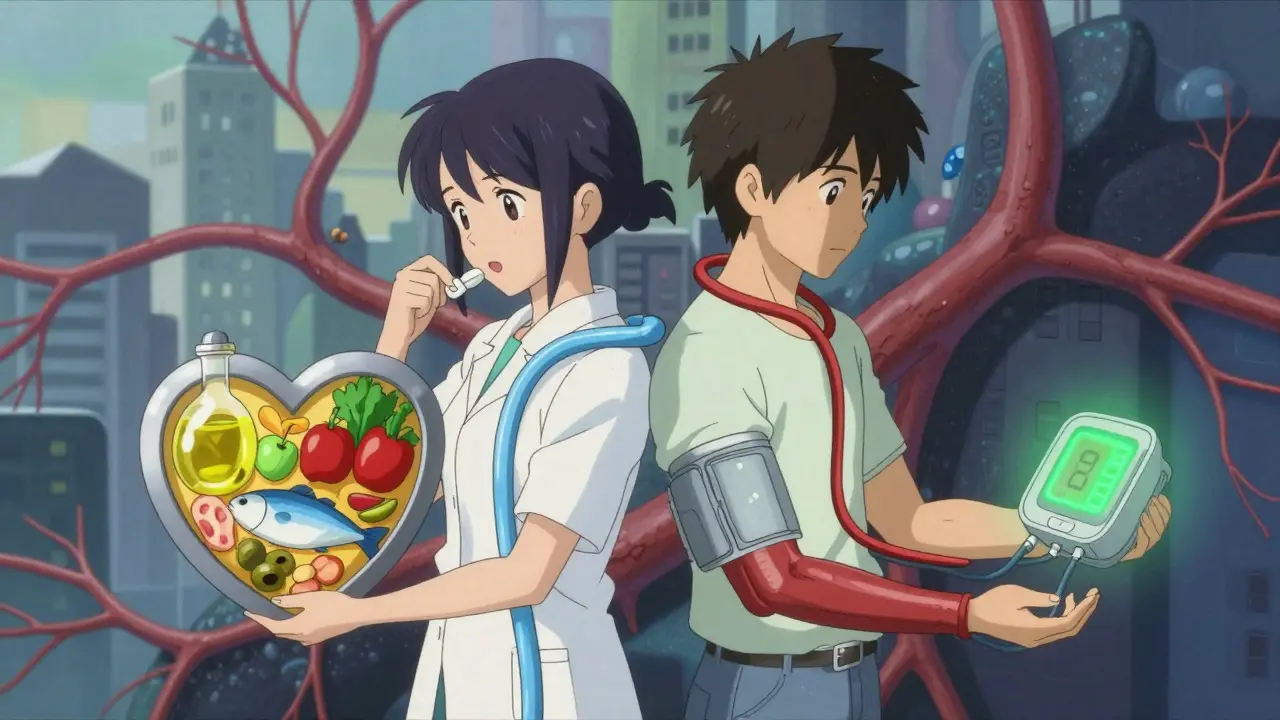
Antiplatelet therapy, such as daily low-dose aspirin or clopidogrel, helps prevent clots from forming in narrowed arteries. Additionally, managing cholesterol levels reduces plaque buildup. The Mediterranean diet, rich in olive oil, fish, and vegetables, has been shown to cut stroke risk by 30% in large studies.
Stopping Hemorrhagic Strokes
Here, blood pressure is king. Chronic high blood pressure weakens vessel walls over time, making them prone to bursting. The SPRINT trial showed that keeping systolic blood pressure below 120 mmHg (instead of 140) reduced hemorrhagic stroke risk by 38%. Monitor your BP regularly.
If you smoke, quit. Smoking damages blood vessels and raises blood pressure. Quitting cuts your stroke risk in half within a year. Also, limit alcohol intake, as heavy drinking spikes blood pressure and increases bleeding risk.
Lifestyle Changes That Protect Your Brain
Beyond medications, daily habits play a huge role. Exercise is powerful. Aim for 150 minutes of moderate activity per week, like brisk walking. This improves circulation and lowers blood pressure.
Stress management matters too. Chronic stress elevates cortisol and blood pressure. Techniques like mindfulness or simple deep-breathing exercises can help keep your vascular system calm.
Finally, know your family history. If aneurysms run in your family, ask your doctor about screening. Early detection of a brain aneurysm allows for preventive repair before it ever bleeds.
What is the most common type of stroke?
Ischemic stroke is the most common, accounting for approximately 87% of all stroke cases. It occurs when a blood clot blocks blood flow to the brain.
Can you recover from a hemorrhagic stroke?
Yes, recovery is possible, but it depends on the severity of the bleed and how quickly treatment was received. Rehabilitation focuses on regaining motor skills, speech, and cognitive functions. Early intervention significantly improves outcomes.
How do doctors tell the difference between the two types?
Doctors use a non-contrast CT scan of the head. This imaging technique quickly identifies whether there is blood in the brain (hemorrhagic) or if the tissue looks normal but lacks flow (ischemic). MRI scans may also be used for more detailed assessment.
Does aspirin help prevent all strokes?
Aspirin helps prevent ischemic strokes by stopping platelets from clumping together. However, it does not prevent hemorrhagic strokes and can sometimes increase bleeding risk. Always consult a doctor before starting daily aspirin therapy.
What are the warning signs of a stroke?
Use the FAST acronym: Face drooping, Arm weakness, Speech difficulty, and Time to call emergency services. Other signs include sudden confusion, vision problems, dizziness, or a severe headache with no known cause.