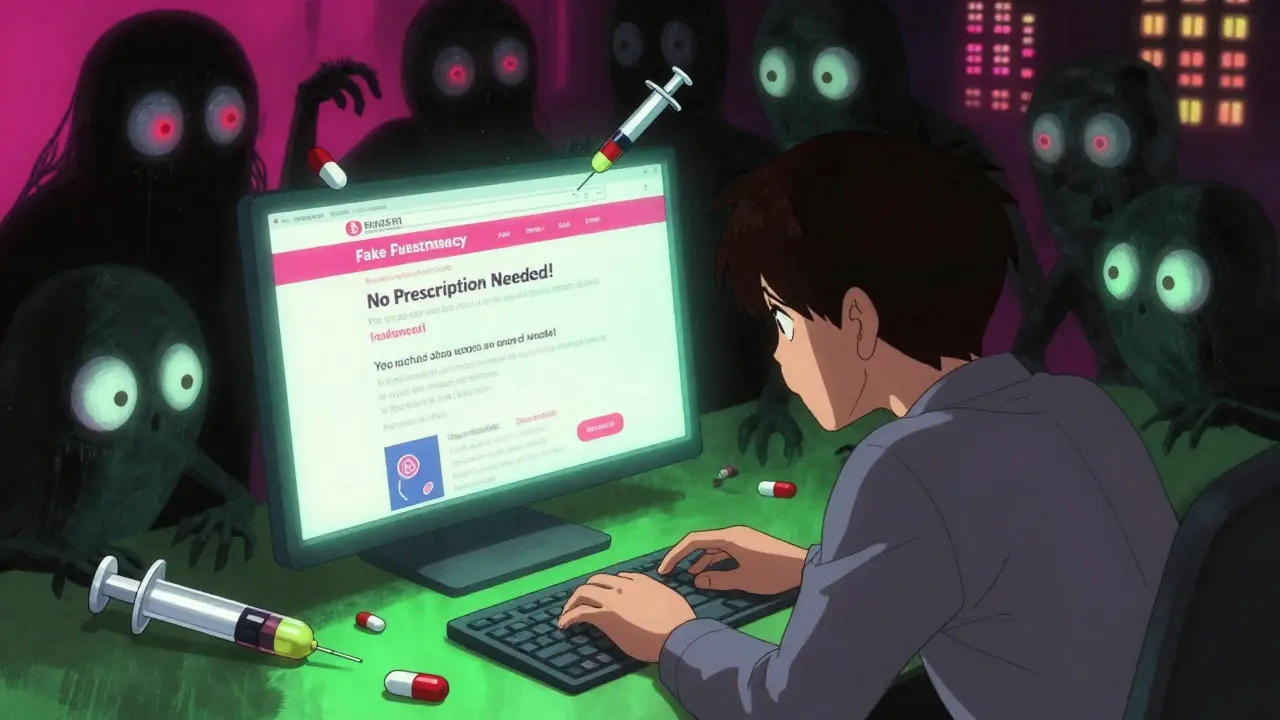

Buying medications online sounds convenient-until you realize how many fake pharmacies are out there. In 2022, the FDA reported that 96% of all online pharmacies were operating illegally. That means if you stumble upon a website offering cheap pills without a prescription, you’re likely dealing with a scam. And the risks aren’t just about wasting money. Counterfeit drugs can contain toxic chemicals, wrong dosages, or nothing at all. A 2022 Consumer Reports investigation found that some fake "Viagra" had 200-300% more active ingredient than labeled, putting lives at risk. So how do you find a real, licensed online pharmacy? It’s not hard-if you know what to look for.
Step 1: Check if they require a valid prescription
Any legitimate online pharmacy will never sell prescription medications without a valid prescription from a licensed doctor. This isn’t just a policy-it’s the law. The FDA makes it clear: if a website offers to sell you pills like insulin, blood pressure medicine, or antidepressants without asking for a prescription, walk away. Illegal pharmacies often lure customers with "no prescription needed" deals. But real pharmacists won’t dispense controlled or high-risk medications without knowing your medical history. If they skip this step, they’re cutting corners-and you’re the one who pays the price.
Step 2: Look for the VIPPS seal (and verify it)
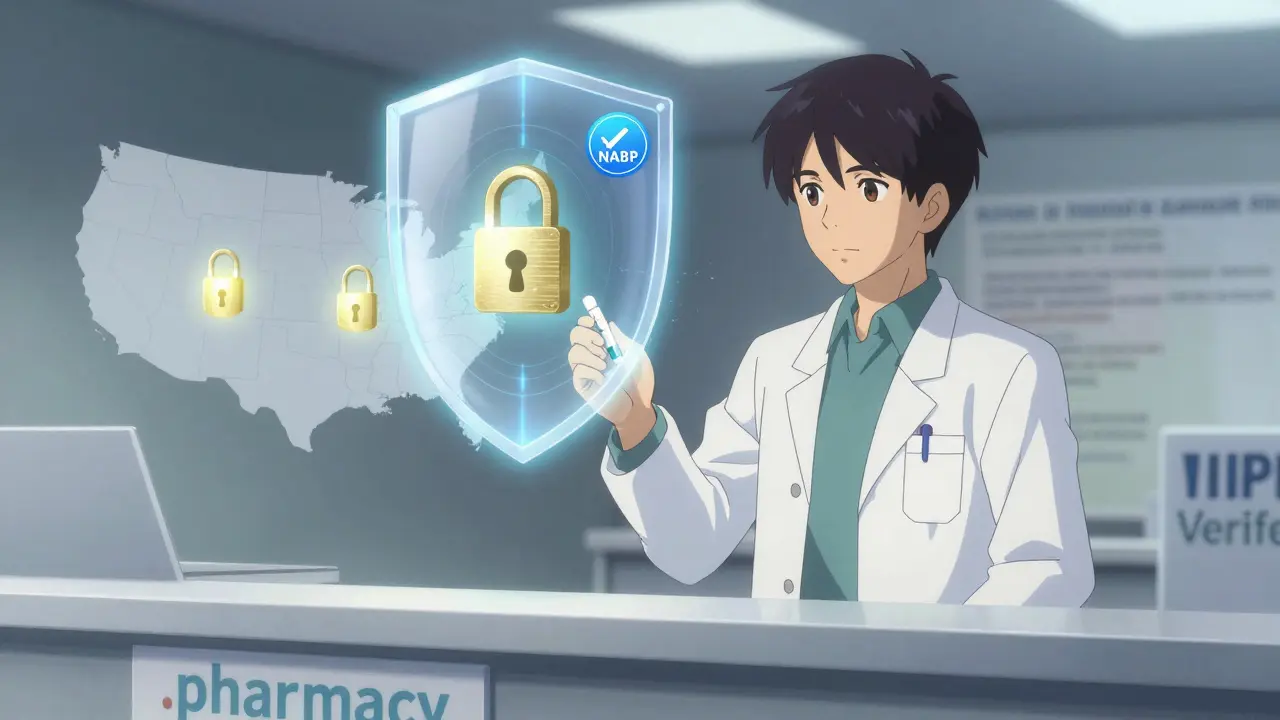
The Verified Internet Pharmacy Practice Sites (VIPPS) program, run by the National Association of Boards of Pharmacy (NABP), is the gold standard for online pharmacy safety in the U.S. A VIPPS seal means the pharmacy has passed 17 strict requirements, including having licensed pharmacists on staff, maintaining a physical U.S. address, and using secure systems to protect your data. But here’s the catch: fake websites copy the VIPPS logo. Don’t just click the seal-click through to the official NABP Safe Site Search tool at nabp.pharmacy/vipps. Type in the pharmacy’s name. If it’s not listed, it’s not legitimate. As of 2023, only 68 U.S. pharmacies held VIPPS accreditation. That’s not many-but it’s the only list you can trust.
Step 3: Verify the website’s security
Before entering any personal or payment details, check the website’s security. A real pharmacy uses HTTPS encryption, which you can see by the padlock icon in your browser’s address bar and the "https://" at the start of the URL. No padlock? That’s a red flag. Also, check if they use the .pharmacy domain. This isn’t something any website can buy-it’s only granted to pharmacies that prove they’re licensed. If the site ends in .com, .net, or some obscure extension, be suspicious. Legitimate pharmacies invest in proper domain names because they’re accountable.
Step 4: Look for real contact information
A licensed pharmacy won’t hide behind a generic email or chatbot. They’ll list a physical address, a working phone number, and a way to speak directly to a licensed pharmacist. If you call the number, someone should answer during business hours. If you email them with a question about your medication, you should get a real response-not an automated reply. The American Pharmacists Association says online pharmacies must meet the same standards as brick-and-mortar ones. That means access to a pharmacist isn’t a perk-it’s a requirement.
Step 5: Avoid suspicious payment methods
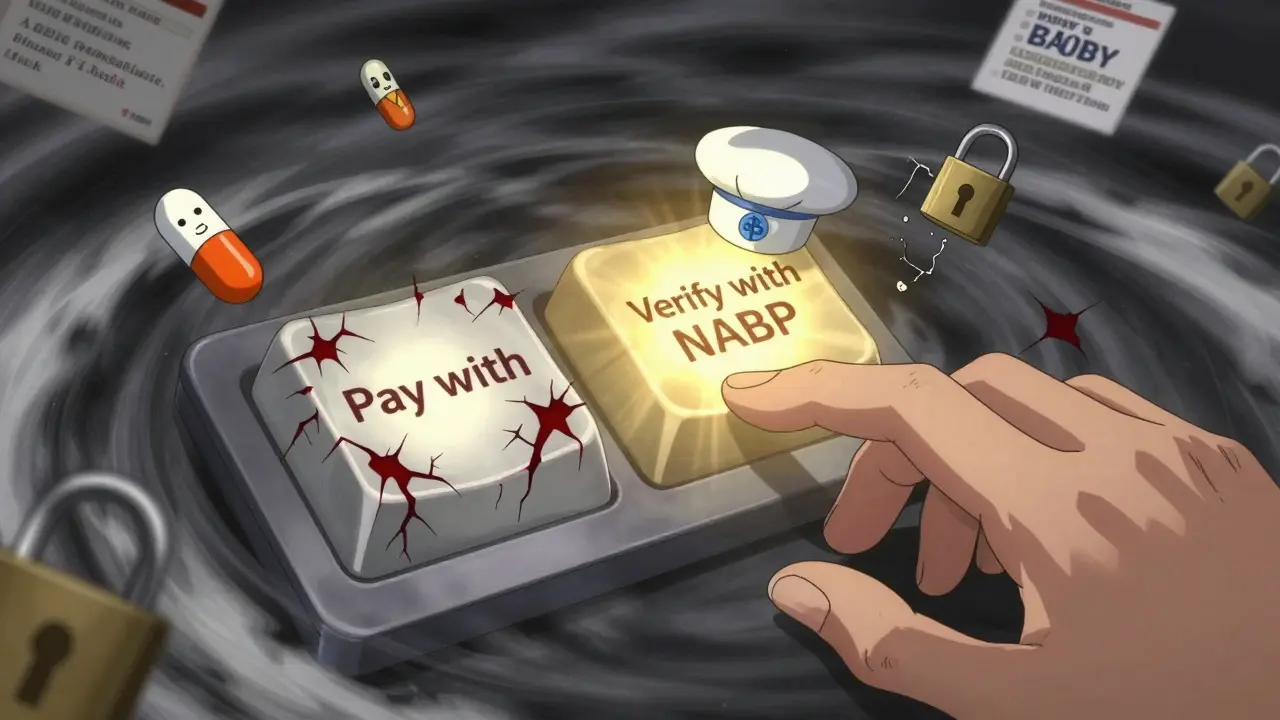
Legitimate pharmacies accept major credit cards, debit cards, and secure payment platforms like PayPal. They don’t ask for wire transfers, cryptocurrency, or gift cards. Why? Because these methods are untraceable. Scammers love them. If a pharmacy pressures you to pay with Bitcoin or sends you a link to send money via Western Union, that’s a scam. Even if the site looks professional, this alone should make you pause. Real pharmacies want to be accountable. Scammers want to vanish.
What about Canadian or international pharmacies?
Many people turn to Canadian online pharmacies because prices are lower. But not all "Canadian" pharmacies are legitimate. NAPRA, Canada’s national pharmacy regulator, found that 42% of websites claiming to be Canadian in 2022 were actually operating from other countries. To verify a Canadian pharmacy, check the provincial licensing board-like the College of Pharmacists of British Columbia or Ontario College of Pharmacists. Then cross-check with the NABP’s Healthcare Merchant Accreditation Program. If a pharmacy has both provincial licensing and the .pharmacy domain, it’s far more likely to be safe. Still, be cautious. Some medications, especially controlled substances, aren’t allowed to be shipped internationally, even from licensed pharmacies.
Red flags you can’t ignore
- No prescription required
- No physical address or phone number
- Offers "miracle cures" or unapproved drugs
- Uses only cryptocurrency or wire transfers
- Claims to be "FDA-approved"-the FDA doesn’t approve pharmacies, only drugs
- Too-good-to-be-true prices (e.g., $10 for a 30-day supply of insulin)
- Fake VIPPS or .pharmacy seals (always verify through official databases)
If you see even one of these, close the page. The FDA’s MedWatch system logged over 1,800 adverse events linked to online pharmacy purchases in 2022. Most involved counterfeit drugs or incorrect dosages. You’re not just risking your wallet-you’re risking your health.
What to do if you’ve already bought from a fake pharmacy
If you’ve already ordered from a suspicious site, stop using the medication immediately. Contact your doctor or pharmacist. Report the pharmacy to the FDA through their MedWatch portal. You can also file a complaint with the FTC at ReportFraud.ftc.gov. If you took counterfeit drugs, get your blood tested. Some fake pills contain heavy metals or industrial chemicals that can cause long-term damage. Don’t wait for symptoms. Act fast.
Why this matters more than ever
The online pharmacy market is growing fast. In 2022, it hit $105 billion in the U.S. alone. By 2025, McKinsey predicts nearly half of all prescriptions will be filled online. That’s a huge shift. But with growth comes more fraud. The good news? Verification tools are getting smarter. PharmacyChecker now uses blockchain to track prescriptions. The NABP is expanding VIPPS to include telehealth providers. And major platforms like Amazon and Facebook now require third-party certification before allowing pharmacy ads. This means the system is evolving-but you still have to be the first line of defense.
Quick checklist: Is this pharmacy safe?
- Does it require a valid prescription? → Yes
- Is it listed in the NABP VIPPS directory? → Verified
- Does it have a .pharmacy domain? → Yes
- Can you speak to a licensed pharmacist? → Yes
- Is the website secure (HTTPS + padlock)? → Yes
- Does it accept credit cards, not crypto or wire transfers? → Yes
- Is there a real U.S. or licensed Canadian address? → Yes
If you answered "Yes" to all seven, you’re likely dealing with a safe, licensed pharmacy. If even one answer is "No," find another option.
Can I trust online pharmacies from other countries?
Some international pharmacies are legitimate, but many aren’t. Canadian pharmacies must be licensed by their provincial regulatory body, and you should also verify them through the NABP’s .pharmacy program. Pharmacies from other countries, especially those without strong regulatory oversight, are high-risk. Always check official databases before ordering.
Do licensed online pharmacies cost more?
Not necessarily. VIPPS-accredited pharmacies often offer prices close to or even lower than local pharmacies, especially for generic medications. The difference isn’t in cost-it’s in safety. Paying a little more for a verified pharmacy means you’re not risking your health with counterfeit drugs.
What if I need a medication that’s not available locally?
If your local pharmacy doesn’t carry a specific medication, ask your doctor for a referral to a licensed online pharmacy that can source it. Many VIPPS-accredited pharmacies specialize in hard-to-find or specialty medications. Never buy from a site that doesn’t require a prescription, even if it claims to have what you need.
How often are licensed pharmacies inspected?
VIPPS-accredited pharmacies are subject to annual inspections and random audits. PharmacyChecker goes further-they conduct mystery shopper visits and require ongoing compliance with 86 verification points. Accreditation isn’t a one-time badge; it’s a continuous commitment to safety.
Are there any free tools to check if a pharmacy is legit?
Yes. Use the NABP’s Safe Site Search Tool at nabp.pharmacy/vipps or the FDA’s BeSafeRx tool. Both are free, updated daily, and linked directly to state pharmacy boards. Never rely on a site’s own claims-always verify through these official sources.


