

Imagine spending twenty years avoiding a specific medicine because you were told as a child that you're allergic to it, only to find out later that you never were. It happens more often than you'd think. Many of us carry a "drug allergy" label that might actually be a simple side effect or a reaction we've long since outgrown. The problem is, when your medical record says "allergic," doctors often switch you to broader-spectrum antibiotics. These alternatives can be more expensive, have tougher side effects, and even increase your risk of getting a medication allergies related complication like Clostridium difficile.
| Point | What You Need to Know |
|---|---|
| The Reality | Up to 95% of people labeled as allergic to penicillin can actually take it safely. |
| Side Effect vs. Allergy | Nausea or upset stomach isn't an allergy; an allergy involves an immune system overreaction. |
| Risk of Alternatives | Alternative drugs can be more costly and lead to higher antibiotic resistance. |
| The Solution | Formal evaluation by an allergist can remove unnecessary restrictions on your care. |
Is It an Allergy or Just a Side Effect?
Before you panic about a new medication, it's worth asking: is this a true allergy? A real drug allergy happens when your immune system mistakes a medicine for a threat and attacks it. This is different from a side effect. For example, if a pill makes you feel nauseous or gives you a headache, that's a side effect-it's an expected reaction to the drug's chemistry, not an immune response.
True allergies usually show up as hives, itching, or swelling. In severe cases, they cause Anaphylaxis, a life-threatening reaction that closes the throat and drops blood pressure. According to data from the Cleveland Clinic, over 90% of adverse drug reactions aren't actually allergies. If you had a mild rash twenty years ago, there's a good chance you've outgrown it, especially with something like penicillin.
The Penicillin Problem and Cross-Reactivity
If you're among the 10% of people who report a Penicillin allergy, you might have been told to avoid all "beta-lactam" antibiotics. This group includes Cephalosporins, which are often used for everything from skin infections to pneumonia. For a long time, doctors assumed that if you reacted to penicillin, you'd definitely react to cephalosporins too.
Modern evidence, including guidelines from the CDC, shows that this "cross-reactivity" is actually quite low, particularly with third-generation cephalosporins like ceftriaxone. This means many people who avoid an entire class of medicine are doing so based on outdated assumptions. When you're forced onto alternative paths, you often end up with macrolides (like azithromycin) or fluoroquinolones. While effective, these can be significantly more expensive-sometimes costing six times as much as a standard course of penicillin.

How to Get a Proper Allergy Diagnosis
If you want to know for sure whether you can use a specific drug, you need a formal evaluation. Don't try to "test" a medicine at home; that's how people end up in the ER. Instead, an allergist uses a tiered approach to see how your body reacts.
- Medical History Review: The doctor looks at the exact timing, the dose you took, and what the reaction actually looked like.
- Skin Testing: This is the most common method. They use a tiny amount of the drug (like benzylpenicillin G) on your skin to see if it triggers a bump or redness.
- Oral Challenge: If the skin test is negative, you might take a small, supervised dose of the medication in the clinic to ensure you're safe.
For those who truly are allergic but absolutely need the drug-such as pregnant women treating syphilis-doctors use Drug Desensitization. This isn't a cure for the allergy; it's a temporary "trick" where the doctor gives you microscopic doses every 15-30 minutes for several hours. This gradually tells your immune system to relax, allowing you to take the full dose safely.
Finding and Using Safe Alternatives
When a true allergy is confirmed, your doctor will look for a drug in a different chemical class. The goal is to find a medicine that kills the bacteria or treats the condition without triggering your immune system.
| Alternative Class | Example Drugs | Common Trade-offs |
|---|---|---|
| Macrolides | Azithromycin, Clarithromycin | Higher cost, potential for stomach upset. |
| Fluoroquinolones | Levofloxacin, Moxifloxacin | Broader spectrum, higher risk of antibiotic resistance. |
| Tetracyclines | Doxycycline | Sensitivity to sunlight, cannot be used in pregnancy. |
The catch is that these alternatives often have a "broader spectrum," meaning they kill more types of bacteria than necessary. This is a big deal because it contributes to the global rise of superbugs. It's why getting tested to see if you can return to a narrower-spectrum drug like penicillin is a win for both you and public health.
Practical Tips for Managing Your Records
One of the biggest frustrations for patients is the "sticky" allergy label. You might get cleared by an allergist, but three years later, a different doctor at a different clinic still sees "Penicillin Allergy" in your chart. This happens because medical records often move between systems without the updated context.
To take control of your health, try these steps:
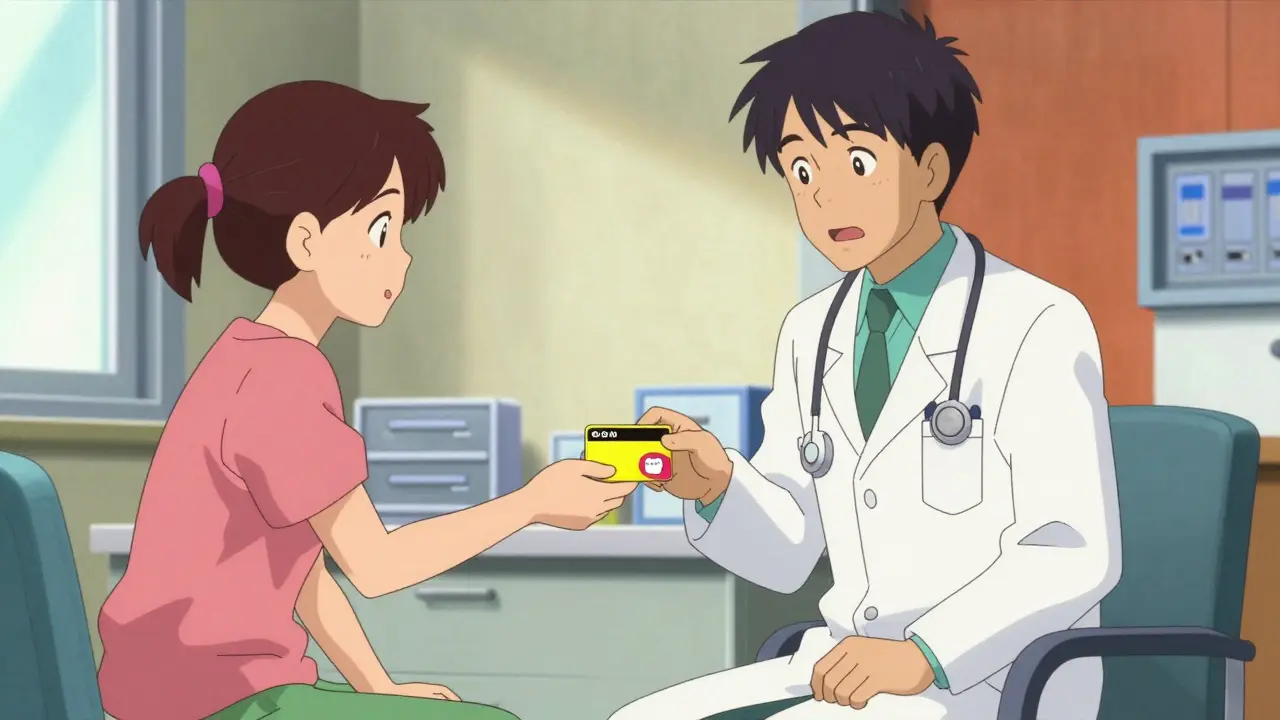
- Carry a Wallet Card: List your confirmed allergies and, more importantly, the specific reactions you had (e.g., "Hives" vs. "Nausea").
- Request a Chart Update: When you get a negative test result, ask your provider to change the status from "Allergic" to "Evaluated - No Reaction."
- Be Specific: When a nurse asks if you have allergies, don't just say "Yes." Say, "I was told I was allergic to penicillin as a child, but I've never had a severe reaction." This prompts the doctor to think about the risk level.
Can I outgrow a medication allergy?
Yes, it is very common. Many people who develop a rash to penicillin in childhood find that their immune system no longer reacts to it in adulthood. Recent data suggests that a vast majority of people labeled as penicillin-allergic can actually tolerate the drug after a few years.
What should I do if I have a severe reaction right now?
If you experience swelling of the lips or tongue, difficulty breathing, or a sudden drop in blood pressure, seek emergency care immediately. Epinephrine is the first-line treatment for anaphylaxis and must be administered by medical professionals or via an auto-injector in an emergency.
Will a skin test tell me exactly which drug to avoid?
Skin testing can identify if you have an IgE-mediated allergy to a specific drug. However, some reactions are non-IgE mediated and might not show up on a skin test, which is why doctors often follow up with a supervised oral challenge.
Are alternative antibiotics less effective than penicillin?
Not necessarily "less effective," but they may be less ideal. Alternatives are often broader in scope, which can increase the risk of secondary infections like C. diff and can be more expensive. In some specific cases, like neurosyphilis, penicillin is the only truly effective option.
How do I find a specialist for drug allergy testing?
You should look for a board-certified allergist and immunologist. Many professional associations provide "Find an Allergist" tools to connect you with specialists who have the equipment and expertise to perform skin tests and desensitization safely.
Next Steps for Your Health Journey
If you've lived with a drug allergy label for years, your next move depends on your current health needs. If you're healthy and not currently fighting an infection, schedule a non-urgent appointment with an allergist to clear your records. It's a proactive move that makes future medical emergencies much easier to handle.
If you are currently prescribed an alternative medication and are worried about side effects or costs, bring the topic up with your primary care provider. Ask them, "Given that my allergy was mild/childhood-based, would it be worth getting tested to see if I can use a first-line antibiotic instead?" Most doctors are open to this, as it often leads to better patient outcomes and lower costs.


