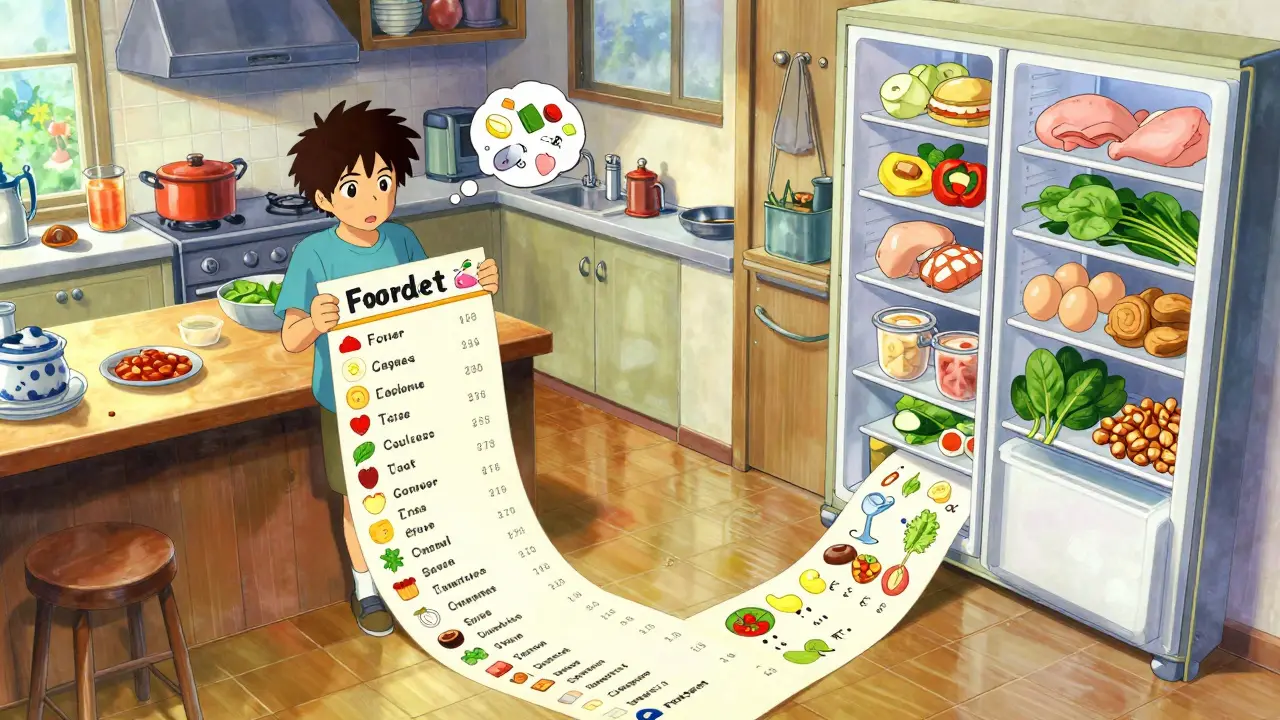

Most people trying to lose weight aren’t failing because they don’t know what to eat. They’re failing because they don’t plan ahead. You walk into the grocery store hungry, grab whatever looks good, end up with chips, cookies, and takeout, and wonder why the scale hasn’t moved. Sound familiar? The truth is, meal planning for weight loss isn’t about strict diets or cutting out carbs. It’s about making smart choices before you’re hungry, tired, or stressed.
Why Meal Planning Works When Diets Don’t
A 2017 study in the American Journal of Preventive Medicine found that people who planned their meals ate 150 to 200 fewer calories per day than those who didn’t. That’s not a miracle. That’s just avoiding impulse buys. When you know what you’re eating tomorrow, you’re less likely to grab a donut at work or order pizza after a long day. Planning turns willpower into a habit. The CDC reports that 41.9% of U.S. adults are obese, and a big reason is lack of structure around food. Meal planning cuts through the noise. It doesn’t require fancy supplements or expensive gym memberships. Just a little time upfront to set yourself up for success.What Makes a Good Meal Planning Template
Not all templates are created equal. A good one has five key parts:- Calorie targets - Most effective plans range from 1,200 to 2,500 calories per day, depending on your size, activity, and goals. A 1,500-calorie plan is common for women, 1,800-2,200 for men.
- Recipe database - At least 50 recipes, with clear portion sizes. No vague instructions like “add chicken.” It should say “4 oz grilled chicken breast.”
- Categorized grocery list - Organized by store sections: produce, dairy, meat, pantry. This saves time and stops you from wandering into the snack aisle.
- Pantry tracker - Lets you note what you already have so you don’t buy duplicates. Saves money and cuts waste.
- Progress tracker - A simple space to check off meals, note hunger levels, or log weight. Small wins build momentum.
Free vs. Paid Templates: What’s Worth It?
You don’t need to pay for a good plan. Government sites like Nutrition.gov and MyPlate.gov offer free, science-backed templates based on the Mediterranean diet. They’re solid for beginners but lack personalization. If you’re vegan, gluten-free, or have food allergies, you’ll hit limits fast. Commercial templates like Plant Based With Amy’s (created by Amy Shepherd in 2018) offer calorie-specific plans (1,500, 1,800, 2,200) with vegan options. They cost $14.99-$29.99 per plan but include 100+ recipes and detailed shopping lists. Users report losing 1-2 pounds per week consistently. Digital tools like Notion’s Meal Planning Template (used by over 20,000 people as of late 2023) let you build custom databases. You can link recipes, track calories, and sync across devices. But it takes 4+ hours to set up - not ideal if you’re new to tech. Printable templates from 101Planners are the most popular among users who stick with it. Their 6-page booklet format (A4 or US Letter) is simple, visual, and works without screens. A 2023 survey showed 83% of users still used theirs after six weeks.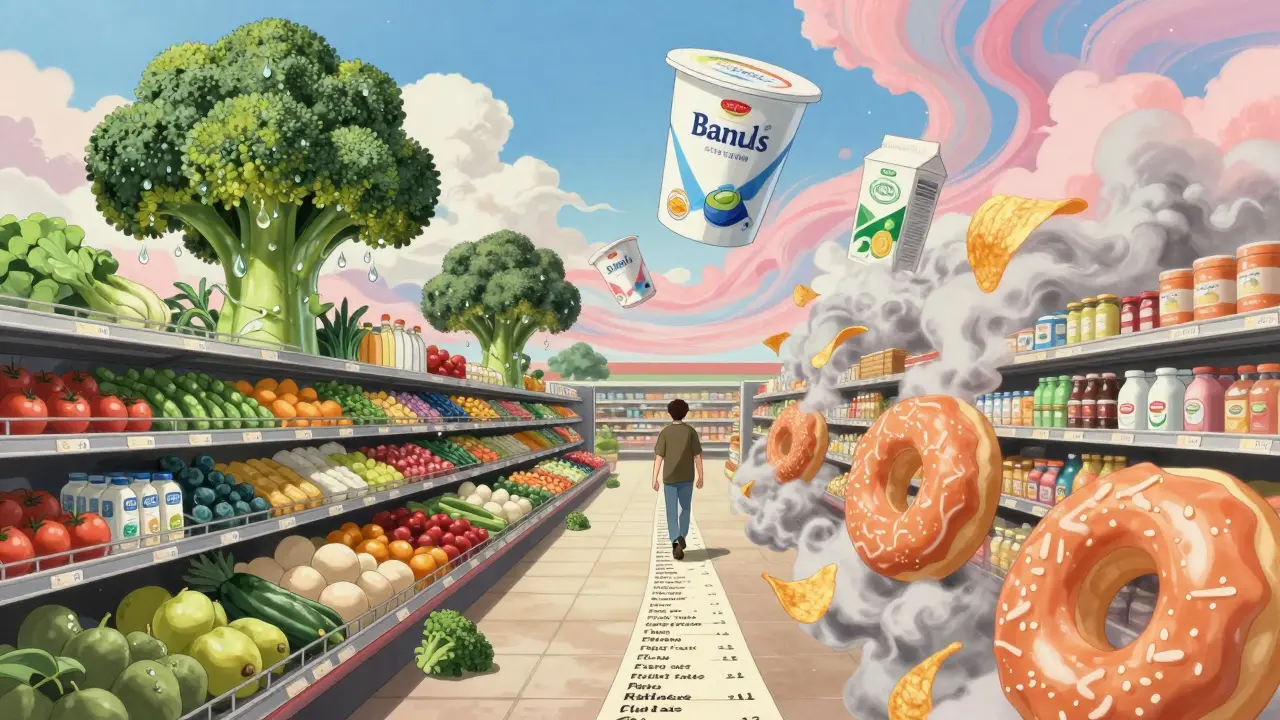
How to Build Your Own Shopping List (That Actually Saves Money)
A grocery list isn’t just a reminder. It’s your defense against impulse buys. A 2023 Consumer Reports study found that people who used categorized lists saved an average of 12.7 minutes per trip and cut food waste by 37%. Here’s how to build one that works:- Start with your pantry. Check what you already have. The USDA says this saves $28.50 a week on average.
- Group by store section. Produce, dairy, meat, frozen, pantry, spices. This keeps you moving straight through the store.
- Write exact amounts. Not “chicken” - “2 lbs boneless chicken thighs.” Not “vegetables” - “1 bell pepper, 2 zucchinis, 1 bunch spinach.”
- Include snacks. 51% of people quit meal plans because they get hungry between meals. Plan for 1-2 snacks daily: Greek yogurt, hard-boiled eggs, nuts, or fruit.
- Don’t overbuy. Planning for 7 days? Buy only what you’ll use. Over-planning leads to 38% food waste, per USDA data.
Real People, Real Results
On Reddit’s r/loseit, u/HealthyHabitJenny used a 101Planners template and lost 18 pounds in 3 months. Her grocery bill dropped $47 a week. She didn’t change her workouts. She just stopped guessing what to eat. u/MealPrepMaster89 lost 72 pounds over 11 months using OnPlanners’ template with macro tracking. He didn’t follow a fad diet. He ate real food - eggs, beans, oats, chicken, broccoli - and planned it all ahead. But not everyone succeeds. A 2022 study in the Journal of Nutrition Education found 32% of people abandon paper templates within three weeks. Why? Too rigid. One user wrote: “The 1,500-calorie plan left me starving by 3 p.m.” That’s the problem with cookie-cutter plans. The best templates let you tweak. Need more protein? Swap a side salad for an egg. Hungry after dinner? Add 1/4 cup of cottage cheese. Flexibility keeps you on track.Common Mistakes (And How to Avoid Them)
Most failures come down to three things:- Skipping snacks. Hunger leads to bingeing. Always plan for two small snacks.
- Trying to do too much at once. Start with 3 days a week. Build from there.
- Not adjusting for life. Got a late meeting? Have a backup snack ready. Traveling? Pack nuts and protein bars. Plans that don’t bend break.

Where to Start Right Now
You don’t need to buy anything. Here’s your 5-step starter plan:- Download a free template. Go to Nutrition.gov and grab their printable meal planner.
- Check your pantry. Write down what you already have. Cross off what you’ll use this week.
- Pick 3 easy recipes. Something with eggs, oats, chicken, beans, or fish. No cooking skills? Boil eggs. Toast whole grain bread. Add avocado.
- Make a categorized list. Write it on paper or in your phone notes. Group items by store section.
- Plan your snacks. Two per day. No exceptions.
What’s Next for Meal Planning
The field is evolving. Apps like Lose It! now use AI to predict your grocery needs based on past eating habits. Nutrition.gov updated its Mediterranean template in August 2023 with more plant-based options. Notion added barcode scanning for pantry tracking in September 2023. By 2025, some tools may sync with glucose monitors to adjust meal plans based on your blood sugar. But you don’t need any of that to lose weight. The core hasn’t changed: plan ahead, eat real food, avoid waste, stay flexible.Final Thought
Meal planning isn’t about restriction. It’s about freedom - freedom from daily stress, from last-minute decisions, from guilt after eating something unplanned. It’s about knowing you’re in control. Start small. Use a free template. Make one grocery list. Stick with it for two weeks. If you’re still hungry, adjust. If you’re bored, swap recipes. If you’re losing weight? Keep going. The scale doesn’t care how fancy your plan is. It only cares if you’re eating less than you burn. And planning makes that easier than you think.Do I need to buy a meal planning template to lose weight?
No. Free templates from Nutrition.gov and MyPlate.gov are scientifically backed and work just as well as paid ones. The key isn’t the price - it’s consistency. Many people lose weight using nothing more than a notebook and a grocery list.
How many calories should I eat per day to lose weight?
For most women, 1,200-1,500 calories per day works. For most men, 1,500-1,800 is a good starting point. These numbers create a safe deficit without leaving you exhausted. Use an online calculator to find your personal number based on age, height, weight, and activity level. Don’t go below 1,200 unless under medical supervision.
What if I don’t like the recipes in the template?
Swap them. Templates are guides, not rules. If you hate broccoli, replace it with cauliflower or spinach. If you don’t eat chicken, use tofu, beans, or eggs. The structure stays the same - only the food changes. The goal is to eat food you enjoy so you can stick with it.
Should I use a digital app or a paper template?
It depends on how you work. If you’re tech-savvy and like tracking data, try Notion or Lose It!. If you prefer simplicity, paper templates from 101Planners or Nutrition.gov work better. People who stick with meal planning long-term usually pick the format they enjoy using daily - not the one with the most features.
Why do I keep failing at meal planning?
Most people fail because their plan is too rigid. You need flexibility for life - late nights, social events, cravings. The best templates let you swap meals, adjust portions, and skip days without guilt. Also, many forget snacks. Hunger is the #1 reason people quit. Always plan for two small snacks daily.
How long does it take to see results with meal planning?
Most people start seeing weight loss in 2-3 weeks. A 2022 Harvard study showed participants lost 7.3% of their body weight in 6 months using structured meal plans. But the real benefit is consistency - you’ll feel more in control, eat less junk, and spend less on food even before the scale moves.
Can I meal plan if I have dietary restrictions?
Yes - and you should. Many templates now include gluten-free, vegan, dairy-free, and low-FODMAP options. Plant Based With Amy’s plans are popular for vegans. Look for templates labeled with your needs. If none fit, build your own using free recipes from trusted sources like the Academy of Nutrition and Dietetics.
Is meal planning expensive?
It actually saves money. A 2023 Consumer Reports study found people using meal plans with grocery lists reduced food waste by 37%. That’s hundreds of dollars a year. Even free templates help. You stop buying food you don’t need and avoid last-minute takeout. The only cost is your time - and that pays off in savings and energy.


