

Imagine finding someone unresponsive on the floor. Their breathing is shallow, their lips are tinged blue, and they don’t wake up when you shake them. In that moment, seconds count. Recognizing a medication overdose is a medical emergency where excessive drug intake overwhelms the body's systems, potentially causing death within minutes if untreated isn't just about knowing what drugs look like; it’s about spotting the physiological collapse happening in real-time.
In 2022, over 107,000 people in the United States died from drug overdoses. The majority involved synthetic opioids like fentanyl, which are exponentially more potent than traditional painkillers. Whether accidental or intentional, an overdose shuts down vital functions-primarily breathing and heart rate. Knowing the specific signs for different drug classes can mean the difference between life and permanent brain damage.
The Universal Red Flags: General Overdose Symptoms
Before diving into specific drug types, there are universal warning signs that indicate any substance has overwhelmed the body. These symptoms often appear rapidly and escalate quickly.
- Altered Mental Status: The person may be confused, agitated, paranoid, or hallucinating. In severe cases, they become unresponsive but remain awake, staring blankly without processing stimuli.
- Respiratory Distress: Breathing becomes difficult, shallow, erratic, or stops completely. A critical benchmark is irregular breathing with pauses longer than 10 seconds between breaths.
- Cardiovascular Instability: Pulse may drop below 60 beats per minute (bradycardia) or spike above 100 bpm (tachycardia). Skin may turn pale, clammy, or mottled.
- Gastrointestinal Upset: Nausea, vomiting, and severe abdominal cramps occur in nearly 80% of non-fatal overdose cases. Vomiting while unconscious is particularly dangerous due to aspiration risk.
- Physical Coordination Loss: Dizziness, loss of balance, slurred speech, and ataxia (inability to control muscle movements) are common early indicators.
If you see these signs combined with known drug exposure, assume an overdose until proven otherwise. Do not wait for all symptoms to appear.
Opioid Overdose: The Silent Killer
Opioids-including heroin, fentanyl, oxycodone, and morphine-suppress the central nervous system. They slow down the part of the brain that controls breathing. This class accounts for the vast majority of fatal overdoses.
| Symptom | Opioid Overdose Presentation | Clinical Significance |
|---|---|---|
| Pupils | Pinpoint size (1-2mm diameter) | Distinctive marker; rarely seen in other overdoses |
| Breathing | Slow (<12 breaths/min), shallow, or stopped | Primary cause of death; leads to hypoxia |
| Consciousness | Unconscious/unresponsive | Cannot be roused even with painful stimuli |
| Skin Color | Blue fingernails/lips (cyanosis) | Indicates oxygen saturation below 90% |
| Sound | Gurgling or choking noises | Fluid in airway; requires immediate repositioning |
This combination is known as the "Opioid Triad": pinpoint pupils, unconsciousness, and respiratory depression. Fentanyl, being 50-100 times more potent than morphine, can cause this triad within minutes of ingestion. If you suspect an opioid overdose, every second counts because brain damage begins after just 4-6 minutes without oxygen.
Stimulant Overdose: When the Body Heats Up
Unlike opioids, stimulants such as cocaine, methamphetamine, and prescription ADHD medications accelerate the nervous system. An overdose here looks like a body going into overdrive, leading to cardiovascular collapse or hyperthermia.
Key signs include:
- Hyperthermia: Body temperature exceeding 104°F (40°C). This can lead to organ failure and muscle breakdown (rhabdomyolysis).
- Hypertension: Systolic blood pressure soaring above 180 mmHg, increasing stroke risk.
- Agitation and Paranoia: Extreme anxiety, aggression, or psychotic behavior.
- Seizures: Occurring in roughly 37% of cocaine overdose cases.
- Cardiac Arrhythmias: Irregular heartbeat that can progress to cardiac arrest.
People experiencing stimulant overdoses are often conscious but terrified. Keep them calm and cool. Move them to a shaded, cool area and remove excess clothing to help lower body temperature.

Depressant Overdose: Beyond Alcohol
Depressants include benzodiazepines (like Xanax or Valium), barbiturates, and alcohol. These substances enhance the effect of the neurotransmitter GABA, slowing down brain activity. While less immediately fatal than opioids alone, they become deadly when mixed with other depressants-a scenario present in over half of overdose deaths.
Watch for profound drowsiness that progresses to coma, slurred speech, and significant loss of muscle coordination. A unique danger with alcohol poisoning is vomiting while unconscious. Since the gag reflex is suppressed, vomit can enter the lungs, causing aspiration pneumonia or suffocation. Always place an unconscious person in the recovery position (on their side) to keep the airway clear.
Immediate Action Plan: What To Do Right Now
If you recognize the signs of an overdose, panic is your enemy. Follow these steps precisely:
- Call Emergency Services: Dial 911 immediately. Be explicit: "I think someone is overdosing." Mention the location and the person’s condition.
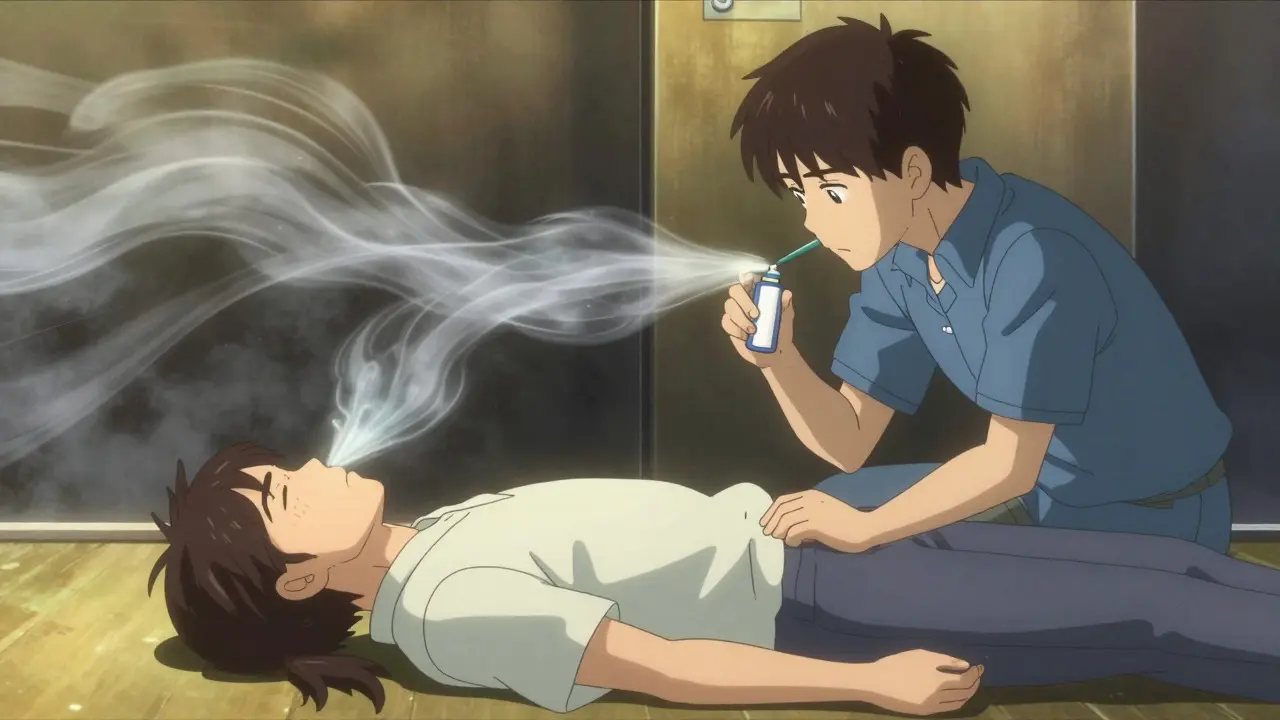
- Administer Naloxone (NARCAN): If available and you suspect opioids, use it. Naloxone nasal spray delivers 4mg per dose. It works by displacing opioids from brain receptors, reversing respiratory depression within 2-3 minutes. Note: For potent synthetics like fentanyl, multiple doses may be needed.
- Position the Person: If they are unconscious and breathing, place them on their side (recovery position). This prevents choking if they vomit.
- Monitor Breathing: If breathing stops, begin rescue breathing or CPR if trained. Continue until help arrives.
- Stay With Them: Do not leave the person alone. Provide information to paramedics about what was taken, how much, and when.
Avoid common myths. Never put the person in a hot shower or bath (risk of burns/hypothermia if unconscious). Never try to make them vomit unless instructed by poison control. Never let them "sleep it off"-this delay contributes to 29% of fatal outcomes.
Prevention and Harm Reduction Tools
Recognition saves lives, but prevention reduces risk. The landscape of illicit drugs has changed drastically with the rise of counterfeit pills containing fentanyl. In 2022, fentanyl was detected in 67% of counterfeit pills tested in California.
Consider these harm reduction strategies:
- Fentanyl Test Strips: These strips detect fentanyl with 97% accuracy at concentrations as low as 0.25 micrograms. Testing before use allows individuals to adjust dosage or avoid consumption entirely.
- Naloxone Access: The FDA approved over-the-counter naloxone nasal spray in 2023, making it available at pharmacies without a prescription. Keep a kit in your home, especially if family members take opioids.
- Digital Resources: Apps like 'Naloxone Saves' provide real-time locations of nearby naloxone distribution sites across all 50 states.
- Never Use Alone: Isolation increases mortality risk. Peer support programs and phone-in services allow users to stay connected during high-risk periods.
Tolerance plays a critical role. After just 3-7 days of abstinence, opioid tolerance drops significantly. Resuming previous doses can easily lead to overdose. This is why relapse-related overdoses are so common.
Legal Protections for Bystanders
Hesitation to call 911 often stems from fear of legal repercussions for drug possession. However, good Samaritan laws exist in 47 U.S. states. Policies like Minnesota’s "Steve’s Law" protect bystanders who seek medical help for an overdose from minor drug charges. Studies show these laws increase 911 calls for overdoses by 27%, directly saving lives. Know your local laws-they are designed to prioritize health over punishment in emergencies.
How long does it take for an overdose to become fatal?
For opioid overdoses, brain damage can begin within 4-6 minutes of oxygen deprivation, and death can follow shortly after. Stimulant overdoses may take longer but can cause sudden cardiac arrest. Immediate action is always required.
Can naloxone be used on someone who hasn't taken opioids?
Yes. Naloxone has no effect on non-opioid substances. If the person did not take opioids, they will experience no change. It is safe to administer if you are unsure of the substance involved.
What is the difference between an opioid and a stimulant overdose?
Opioid overdoses slow the body down: slow breathing, pinpoint pupils, and unconsciousness. Stimulant overdoses speed the body up: rapid heart rate, high fever, agitation, and seizures. Treatment differs accordingly.
Why do people overdose after taking a break from drugs?
Tolerance decreases rapidly after 3-7 days of abstinence. If a person resumes using at their previous dose, their body can no longer handle the amount, leading to respiratory failure or cardiac stress.
Is it illegal to carry naloxone?
No. Naloxone is widely distributed through community programs and pharmacies. As of 2023, it is available over-the-counter in the US. Many states have standing orders allowing anyone to possess and administer it.


