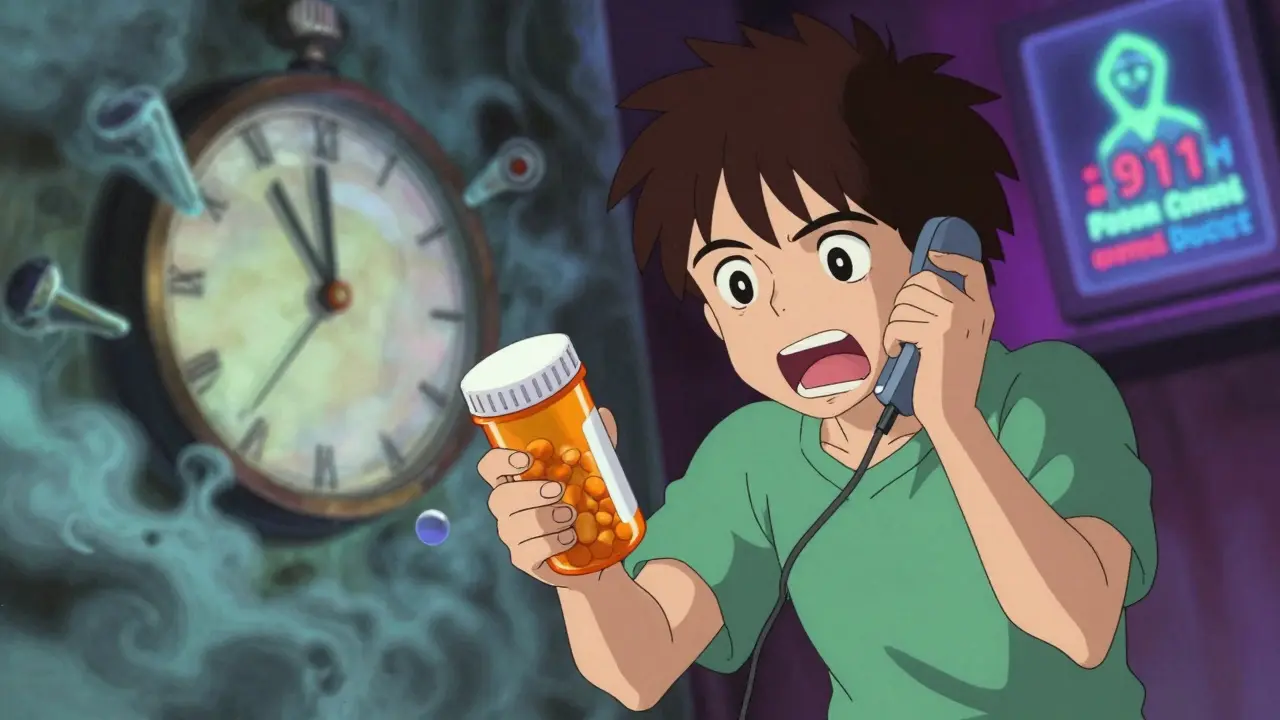

Every year, millions of people accidentally or intentionally take too much of a medication, household cleaner, or illegal drug. The right move in those first critical minutes can mean the difference between life and death - or between a quick home fix and a costly, traumatic ER trip. But here’s the problem: most people don’t know when to call Poison Control and when to dial 911. You can’t afford to guess. This isn’t about being cautious. It’s about acting fast with the right tool for the job.
Call 911 Immediately If Someone Is Unresponsive, Stopping Breathing, or Having Seizures
If someone is passed out and won’t wake up, even when you shake them hard or pinch their shoulder, call 911 right now. Don’t wait. Don’t text a friend. Don’t try to look up symptoms online. Time is everything. The same goes if they’re struggling to breathe - gasping, wheezing, or turning blue around the lips. These are signs their body is shutting down. In 2022, the CDC found that 28.3% of fatal poisonings involved respiratory failure. If breathing stops, brain damage starts in under three minutes. Seizures are another red flag. If someone is convulsing for more than five minutes, especially after taking pills or drugs, get help immediately. Even if the seizure stops, the underlying cause - like a toxic overdose of antidepressants or heart medication - could still be killing them from the inside. Emergency crews carry naloxone for opioid overdoses, advanced airway tools, and IV medications that Poison Control can’t send. They’re trained to stabilize someone before they get to the hospital. Poison Control gives advice. EMS saves lives.Poison Control Is for Stable People With Known Exposures
Poison Control isn’t for emergencies. It’s for when someone took too much, but they’re still awake, breathing normally, and acting like themselves. Think: a child who swallowed half a bottle of children’s ibuprofen but is playing with toys. Or an older adult who accidentally took two doses of blood pressure medicine and feels a little dizzy, but can still talk and walk. The national Poison Help hotline (1-800-222-1222) connects you to a specialist in toxicology - usually a pharmacist or nurse trained for decades in poison management. They’ll ask you specific questions: What was taken? How much? When? How much does the person weigh? Do they have any symptoms? They use this info to calculate risk. For example, a healthy adult who took 10 extra acetaminophen pills (500 mg each) can often be monitored at home if they call within two hours. But if they took 20 pills? That’s a hospital trip. In 2022, Poison Control helped manage over 1.7 million cases without sending anyone to the ER. That’s 300,000 unnecessary ambulance rides avoided. It’s also $1.8 billion saved in healthcare costs. But only if you call at the right time.Know the Exact Product and Amount - It Changes Everything
Before you call either service, grab the container. Seriously. Don’t rely on memory. A bottle of Tylenol might say “500 mg per tablet.” But if it’s extended-release, it’s a whole different risk. Extended-release pills release poison slowly over hours, meaning symptoms can show up 6 to 12 hours later - long after you think you’re fine. Immediate-release pills hit fast and hard. Poison Control needs to know the difference. Same with opioids. A single fentanyl patch can kill an adult. A child licking one can die in minutes. If you’re unsure what was taken, bring the container to the ER - or take a photo of the label and send it to Poison Control through their website. The webPOISONCONTROL tool lets you upload images of pill bottles and gets you a risk assessment in under two minutes. But again - if the person is passed out, skip this. Call 911 first.Children Under 6 and Adults Over 75 Need Faster Action
Kids under six and seniors over 75 don’t process toxins like healthy adults. Their bodies are more fragile. A dose that’s harmless to a 30-year-old can be deadly to a toddler or elderly person. For children, even one pill of certain medications can be dangerous. Clonidine (used for ADHD or high blood pressure) can cause coma at just 0.01 mg per kilogram of body weight. Sulfonylureas (diabetes pills) can crash blood sugar so fast, a child can go from fine to unconscious in 20 minutes. The American Academy of Pediatrics says: if a child under six swallows any prescription pill, call Poison Control - even if they seem fine. But if they’re sleepy, limp, or not breathing? Call 911. For seniors, the risk isn’t just the drug - it’s the mix. The average person over 75 takes five or more medications daily. A single new pill can interact with an old one and cause sudden heart failure. A 2022 JAMA study found 83% of adults over 75 take five or more drugs. That’s a chemical minefield. So if a senior takes too much of anything - even something they’ve taken for years - get them to the ER immediately. Don’t wait for symptoms.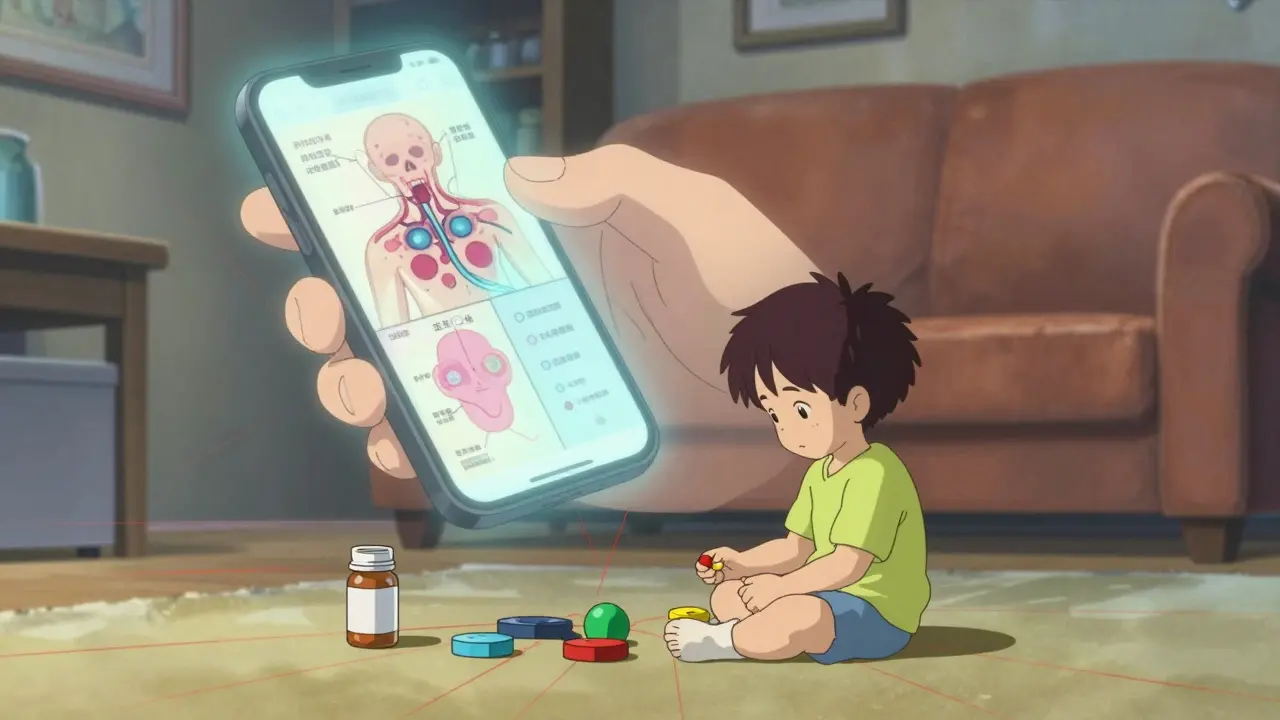
Intentional Overdoses Always Mean 911
If someone took too much on purpose - whether it’s pills, alcohol, or drugs - call 911. No exceptions. Suicide attempts often involve multiple substances. SAMHSA data shows 68% of intentional overdoses involve two or more drugs. That makes the outcome unpredictable. Even if the person says they’re fine, they might be lying. Or they might be in shock. Opioid overdoses are especially tricky. Naloxone (Narcan) can reverse the effect - but only temporarily. Synthetic opioids like fentanyl are so strong, one dose of naloxone might wear off before the drug does. That means someone can wake up, feel okay, and then crash again 30 minutes later. That’s why every single opioid overdose, intentional or not, requires emergency care. The New Mexico Department of Health reversed over 12,000 overdoses in 2022 using naloxone - but every single person still went to the hospital afterward.Carbon Monoxide? Always Call 911 - Even If You Feel Fine
Carbon monoxide is silent, colorless, and odorless. You can’t smell it. You can’t see it. But it kills by stealing oxygen from your blood. Poison Control now tells everyone: if you suspect carbon monoxide poisoning - even if you only have a headache or nausea - call 911 immediately. Why? Because 42.7% of people who seem fine at first develop brain damage hours later, according to CDC data from 2023. The damage is delayed, but permanent. No home remedy. No waiting. Get fresh air, then call 911.What to Have Ready Before You Call
Whether you’re calling Poison Control or 911, you’ll need this info:- Exact name of the substance (e.g., “ibuprofen 200 mg tablets,” not just “pain pills”)
- How much was taken (e.g., “3 tablets,” “100 mL,” “one patch”)
- When it happened (e.g., “15 minutes ago,” “at 8:45 p.m.”)
- The person’s age, weight, and any existing health conditions
- Current symptoms - even small ones like nausea or dizziness
- What you’ve already done (e.g., “I gave them water,” “I gave them Narcan”)
Don’t guess weights. If you don’t know the person’s weight, say so. Poison Control can estimate - but errors over 10% can lead to wrong advice. Keep the container handy. Take a photo. If you’re on the phone, open the bottle so the specialist can see the label.
What Not to Do
- Don’t make someone throw up. Ipecac is no longer recommended. It can cause more harm than good.
- Don’t give milk, charcoal, or anything else unless instructed. Home remedies can interfere with treatment.
- Don’t wait to see if symptoms get worse. If you’re unsure, call Poison Control. They’ll tell you if it’s safe to wait.
- Don’t assume a “small” amount is harmless. One pill of some medications can kill a child.
Technology Helps - But It’s Not a Replacement
The Poison Control app and webPOISONCONTROL tool are great for low-risk situations. They’re fast, free, and available 24/7. Over 1.2 million people have downloaded the app. But they’re not for emergencies. If someone is unconscious, having seizures, or struggling to breathe - use the app after you call 911. Not before. The app can’t handle multiple drug overdoses. It can’t handle intentional ingestions. And it can’t replace a human expert when things get complicated. In 2022, 31% of cases were too complex for the online tool. That’s why the hotline still exists - and why you should use it.What Happens After You Call?
If you call Poison Control, you’ll get a clear plan: monitor at home, watch for certain symptoms, or come in for evaluation. They’ll follow up with you in 24 hours if needed. Most cases (82% of pediatric ingestions) are resolved without a hospital visit. If you call 911, paramedics will come. They’ll check vitals, give oxygen, administer naloxone or other antidotes, and transport you to the nearest ER. You won’t be charged for the call - emergency services are funded by taxes. And you won’t be judged. Medical teams see this every day. Their job is to help, not to punish.Final Rule: When in Doubt, Call 911
There’s no shame in overreacting. It’s better to have an ambulance show up and it’s a false alarm than to wait and lose someone you love. Poison Control is there for the low-risk cases. Emergency services are there for the ones that could kill you in minutes. Trust your gut. If something feels wrong - call 911.Can I just call Poison Control for an opioid overdose instead of 911?
No. Opioid overdoses - even if you give naloxone - require emergency medical care. Naloxone wears off faster than many synthetic opioids like fentanyl. Someone can wake up, feel okay, and then stop breathing again 30 to 60 minutes later. Emergency crews can monitor them, give more naloxone, and provide breathing support if needed. Always call 911 after using naloxone.
Is Poison Control free and confidential?
Yes. The Poison Help hotline (1-800-222-1222) is completely free and confidential. You won’t be billed. Your call won’t go to police or child services unless there’s clear evidence of abuse or neglect. Their only goal is to keep you safe.
What if I don’t speak English?
Poison Control offers translation services in over 150 languages. While only 17 of 55 centers have real-time Spanish interpreters, and just 3 offer Mandarin, you can still call 1-800-222-1222 and ask for an interpreter. They’ll connect you within seconds. Don’t hesitate - your life depends on clear communication.
Can I use the Poison Control app instead of calling?
The app is useful for low-risk, stable cases - like a child who ate one candy pill and is acting normal. But it can’t handle emergencies. If someone is unconscious, having trouble breathing, or took multiple drugs, the app won’t help. Call 911 or the hotline instead. The app is a tool, not a replacement for human experts.
What if I’m not sure what was taken?
If you’re unsure, still call 911 or Poison Control. Bring or take a photo of any bottles, pills, or containers you find. Even partial labels help. Poison Control specialists can often identify substances from packaging, color, or shape. Don’t wait to figure it out yourself - time matters.


