

Living with severe nodular or cystic acne feels like a punishment that never ends. You’ve likely tried every topical cream, antibiotic course, and home remedy available, only to watch new painful lesions appear weeks later. For many patients, this cycle causes deep emotional distress and physical scarring. Isotretinoin is a potent oral retinoid medication derived from vitamin A that targets the root causes of severe acne. Unlike other treatments that merely manage symptoms, isotretinoin offers the possibility of permanent remission. However, it comes with strict safety protocols and significant side effects that require careful management.
This guide breaks down what you need to know about isotretinoin before starting treatment. We’ll cover how it works, the mandatory safety programs like iPLEDGE, the blood tests required, and realistic expectations for results. If you are considering this 'last resort' medication, understanding these details will help you navigate the process safely and effectively.
How Isotretinoin Works on Severe Acne
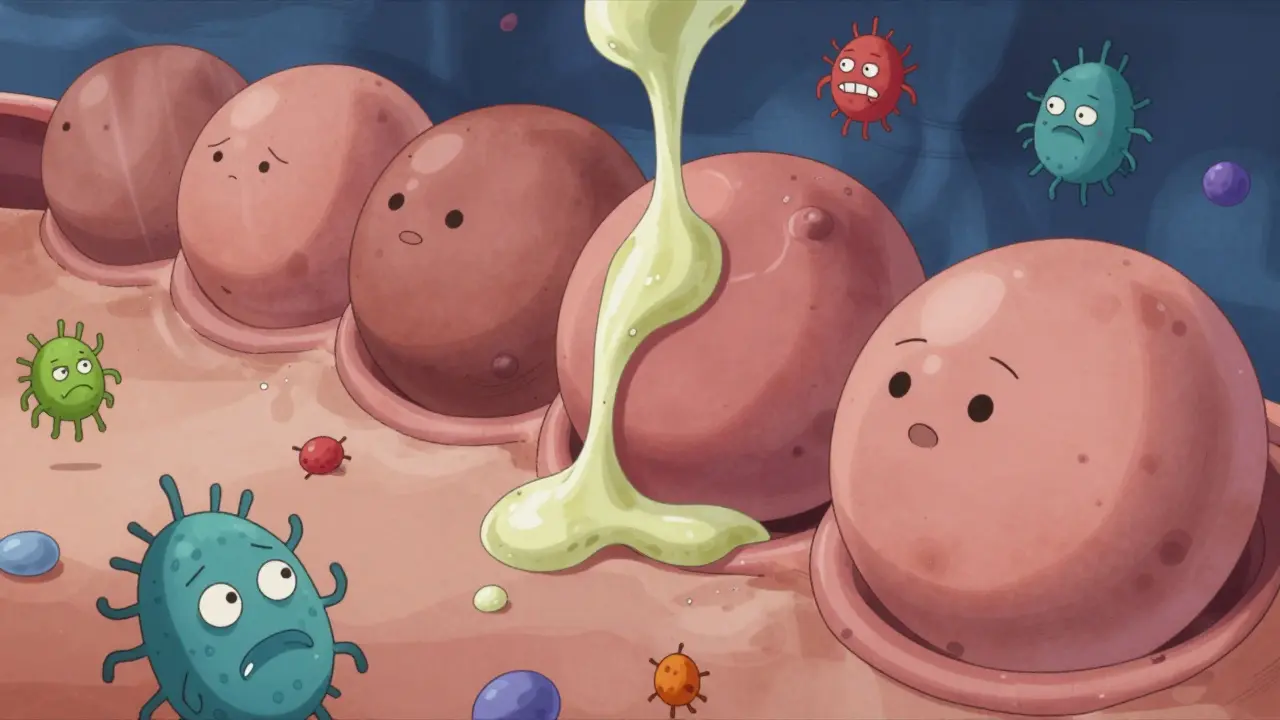
To understand why isotretinoin is so effective, you have to look at how acne forms. Most acne treatments target just one factor, such as bacteria or inflammation. Isotretinoin attacks all four major drivers of acne simultaneously. It shrinks your sebaceous glands, reducing oil production by up to 90%. This drastic reduction in sebum starves Cutibacterium acnes, the bacteria responsible for acne breakouts, because they cannot survive without that oily environment.
Beyond oil control, the medication normalizes how skin cells shed. In people prone to acne, dead skin cells stick together and clog pores. Isotretinoin prevents this clumping, keeping pores clear. It also has strong anti-inflammatory properties, which helps reduce the redness and swelling associated with cystic acne. According to data from JAMA Dermatology (2023), approximately 80% of patients achieve long-term remission after completing a standard 5-8 month course. This high success rate makes it the gold standard for severe, treatment-resistant cases.
Safety First: The iPLEDGE Program and Pregnancy Risks
The most critical aspect of isotretinoin treatment is its potential to cause severe birth defects. Because of this risk, the FDA mandates participation in the iPLEDGE program is a risk evaluation and mitigation strategy (REMS) required for all patients prescribed isotretinoin in the United States. This is not optional. Both you and your prescribing doctor must register in the system before you can receive a prescription.
If you are female and of childbearing potential, the requirements are strict. You must provide two negative pregnancy tests before starting treatment. During the entire course of therapy, and for one month after your last dose, you must use two forms of contraception simultaneously. You will also need monthly pregnancy tests and confirmations that you are using contraception correctly. Male partners do not need to be on iPLEDGE, but females must adhere to these rules regardless of sexual activity history. The administrative burden is real-many patients cite the monthly paperwork and testing as frustrating-but it is designed to prevent tragic outcomes.
Laboratory Monitoring: What Blood Tests Are Required?
Because isotretinoin is processed by the liver and affects lipid metabolism, regular blood work is essential. Your dermatologist will order baseline labs before your first dose. These typically include:
- Complete Blood Count (CBC): Checks for anemia or infection signs.
- Liver Function Tests (ALT, AST): Monitors for liver stress or damage.
- Lipid Panel: Measures total cholesterol, triglycerides, HDL, and LDL. Isotretinoin can raise triglyceride levels significantly.
After starting treatment, you’ll repeat these tests every 4 to 8 weeks. If your triglycerides spike too high, your doctor may lower your dose or pause treatment until levels normalize. Liver enzymes usually remain stable, but if they rise, further investigation is needed. Don’t skip these appointments; catching abnormal values early prevents serious health complications.
Dosing Strategies: High Dose vs. Low Dose
Traditionally, doctors calculated isotretinoin doses based on body weight, aiming for a cumulative total of 120-150 mg/kg over the treatment period. This often meant higher daily doses, which increased side effects. Recent research supports alternative approaches. A systematic review in the Journal of Cosmetic Dermatology (April 2023) found that low-dose protocols can be highly effective with fewer adverse events.
| Regimen Type | Daily Dose | Duration | Efficacy Rate | Relapse Risk |
|---|---|---|---|---|
| Conventional | 0.5-1.0 mg/kg/day | 15-20 weeks | ~80-90% | Low |
| Low-Dose Fixed | 20 mg/day | 3 months+ | ~90% | Moderate (4%) |
| Pulsed Low-Dose | 0.5 mg/kg/day (1 week/month) | 6 months | 88% | Moderate |
For example, a fixed low dose of 20 mg daily for three months showed 90% efficacy in NIH research (2014). While low-dose regimens reduce side effects like dry lips and joint pain, there is a slightly higher chance of acne returning after treatment ends. Your dermatologist will help you choose the right balance between speed of clearance and side effect tolerance.
Common Side Effects and How to Manage Them
You will experience side effects. That’s part of the deal with isotretinoin. The good news is that most are manageable and temporary. Here’s what to expect and how to cope:
- Dry Lips (Cheilitis): Occurs in nearly 90% of patients. Use petroleum-based balms like Vaseline or Aquaphor frequently throughout the day. Avoid flavored lip products, which can irritate further.
- Dry Skin and Eyes: Switch to gentle, fragrance-free cleansers and moisturizers. Artificial tears can help with eye dryness. If you wear contact lenses, consider switching to glasses temporarily.
- Nosebleeds (Epistaxis): Happens in 15-20% of users due to dried nasal passages. Use saline nasal spray or apply a small amount of petroleum jelly inside the nostrils.
- Acne Flare-Up: About 30-40% of patients see their acne worsen during the first 2-8 weeks. This is normal. Stick with the treatment unless the flare is severe; your doctor may prescribe a short course of oral steroids to calm inflammation.
- Muscle and Joint Pain: Some patients report stiffness, especially after exercise. Stay hydrated and consider light stretching. If pain becomes severe, inform your doctor immediately.
Rare but serious side effects include depression, inflammatory bowel disease symptoms, and pseudotumor cerebri (increased pressure around the brain, causing headaches and vision changes). Report any mood changes, persistent abdominal pain, or severe headaches to your healthcare provider right away.
Realistic Results: When Will My Skin Clear?
Patience is key. Isotretinoin doesn’t work overnight. Most patients start seeing improvement around month 2 or 3. By month 4 or 5, significant clearing occurs. The goal isn’t just clear skin now-it’s preventing future breakouts. Studies show that many patients enjoy lifelong remission after one course. However, some may need a second round of treatment if acne returns.
User experiences reflect this timeline. On Reddit forums, patients often share photos showing dramatic improvements by month 5. One user noted, "90% clear after 5 months at 40mg daily with only manageable dry lips." Another shared a harder journey: "Severe joint pain forced me to stop at week 10 despite 70% improvement." These stories highlight that individual responses vary. Factors like dosage, adherence, and genetics play roles in your outcome.
Cost and Accessibility
Isotretinoin is available as a generic medication, making it more affordable than branded versions like Accutane (which was discontinued in 2009). Wholesale costs range from $150 to $400 for a 30-day supply, depending on dosage strength. Insurance coverage varies widely. Many plans cover it for severe acne, but prior authorization is common. Check with your insurer and dermatologist’s office to understand out-of-pocket expenses. Patient assistance programs from manufacturers like Amneal Pharmaceuticals or Teva may offer discounts for uninsured individuals.
How long does isotretinoin stay in your system?
Isotretinoin has a half-life of 10-20 hours. It typically clears your bloodstream within a few days after stopping. However, because it affects cell turnover, its biological effects linger longer. Women must wait one month after the last dose before trying to conceive, as per iPLEDGE guidelines.
Can I drink alcohol while taking isotretinoin?
Moderate alcohol consumption is generally considered safe, but heavy drinking increases strain on the liver and raises triglyceride levels. Since isotretinoin already impacts liver function and lipids, it’s wise to limit alcohol intake. Discuss your habits with your doctor to determine a safe threshold.
Does isotretinoin cause hair loss?
Temporary thinning or shedding can occur in some patients, though it’s less common than dry skin or lips. This usually resolves after treatment ends. If you notice significant hair loss, tell your dermatologist. They may adjust your dose or check for underlying nutritional deficiencies.
Will isotretinoin leave scars?
No, isotretinoin does not cause scarring. In fact, it helps prevent new scars by stopping active acne quickly. Existing scars may improve slightly as skin heals, but deeper scars often require additional treatments like laser therapy or microneedling after acne clears.
Is isotretinoin safe for teenagers?
Yes, isotretinoin is commonly prescribed to teens with severe nodular acne. The same safety rules apply, including iPLEDGE registration and pregnancy prevention for females. Parents should be involved in discussions about side effects and compliance. Doctors carefully weigh benefits against risks for younger patients.


